Une vraie leçon, pas à pas

  1. A1
  2. A2
  3. B1

Leçon 1 sur 48There was / there were (il y avait)

Toutes les leçons du cours suivent les six mêmes étapes. Voici la leçon 1, telle qu’elle est aujourd’hui dans l’application, en version abrégée. Essayez chaque étape.

Grammaire

Une règle, expliquée

La leçon s’ouvre sur la théorie, puis la vérifie par un quiz. En voici le début, et 3 de ses 14 questions.

A2 · There was / there were (il y avait)

Vous connaissez déjà there is / there are (il y a) et le passé de be : was pour un seul élément, were pour plusieurs. Mettez les deux ensemble et vous obtenez l'équivalent de il y avait : there was et there were. C'est ce qu'il faut pour décrire votre ville natale telle qu'elle était quand vous étiez enfant.

Dire ce qui existait

Remplacez is par was et are par were, sans rien changer d'autre. Voici la grande différence avec le français : il y avait ne change jamais (il y avait une boulangerie, il y avait deux écoles), alors qu'en anglais le verbe s'accorde avec le nom qui le suit. There n'est pas le sujet. Regardez le nom : un seul élément, ou un nom indénombrable, prend was ; plusieurs éléments prennent were.

was pour le singulier et l'indénombrable, were pour le pluriel
PrésentPasséS'emploie avec
There is a bakery on the corner.There was a bakery on the corner.une seule chose (nom singulier)
There is a lot of noise.There was a lot of noise.une chose qu'on ne compte pas (nom indénombrable)
There are two schools.There were two schools.plusieurs choses (nom pluriel)

Dire ce qui n'existait pas

Ajoutez not après le verbe. À l'oral, on contracte presque toujours : wasn't, weren't. Là où le français dit pas de (il n'y avait pas de feux), l'anglais met any devant un nom pluriel ou indénombrable, et jamais of. Un nom singulier garde a / an.

la négation
Forme pleineForme contractéeExemple
there was notthere wasn'tThere wasn't a supermarket in the village.
there were notthere weren'tThere weren't any traffic lights on the main road.
Ouvrir la page de la règle →

Petite vérification · 3 / 14

  1. There(be) a bakery on the corner when I was small.

  2. There(be) a lot of noise in the square every Saturday.

  3. ___ always a lot of tourists in the town in August.
Mots

Nouveaux mots

31 nouveaux mots, chacun avec une image, une voix et toutes ses formes. Ouvrez les formes ; tapez le mot pour vérifier votre orthographe.

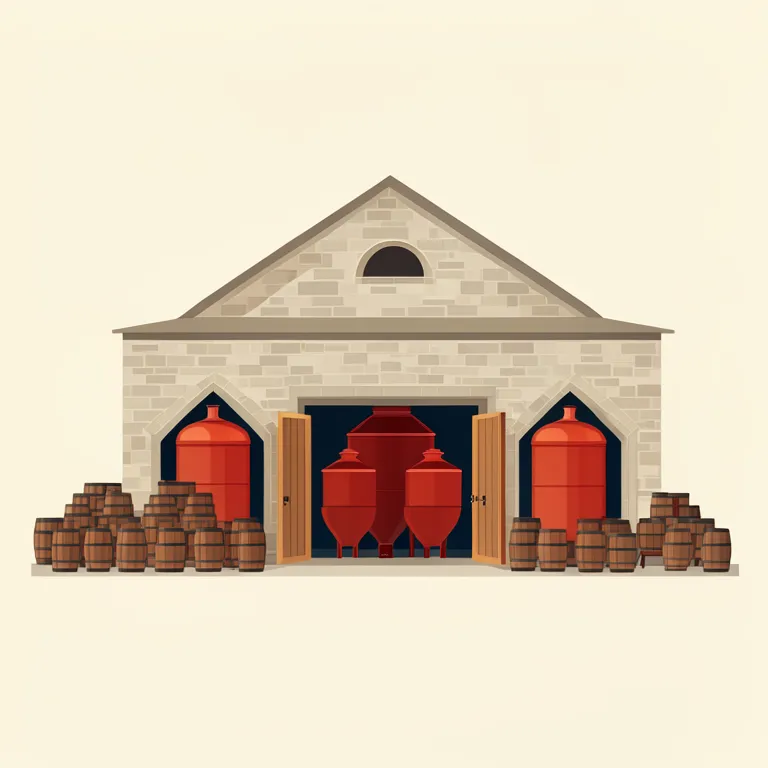
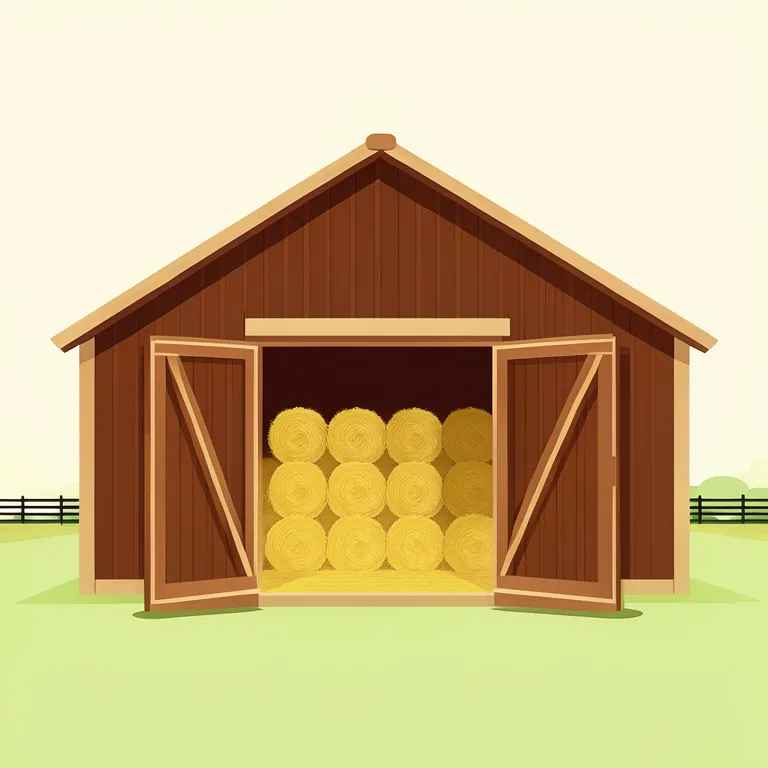
barn

barn

grange

nom
brewery

brewery

brasserie

nom

lieu où l'on fabrique la bière

butcher

butcher

boucher, bouchère

nom

La boucherie se dit a butcher's, avec 's.

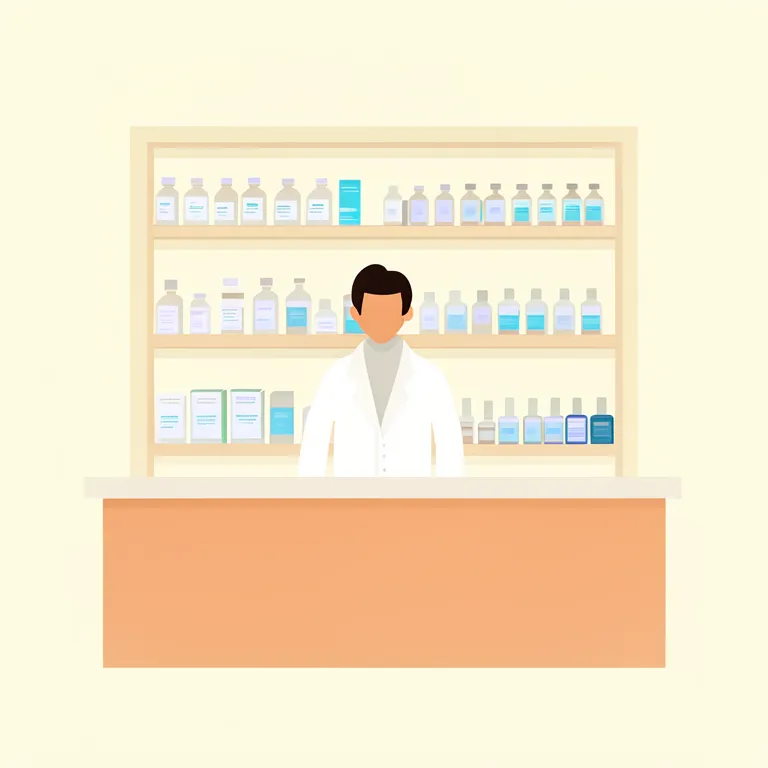
chemist

chemist

pharmacien, pharmacienne; pharmacie

nom

Anglais britannique ; la pharmacie se dit le plus souvent a chemist's, avec 's. Le chimiste se dit aussi chemist.

Is the chemist still open?La pharmacie est-elle encore ouverte ?

chimney

chimney

cheminée

nom

conduit qui dépasse du toit

clinic

clinic

centre médical ; dispensaire

nom

Faux ami partiel : c'est un petit centre où l'on consulte des médecins, pas une clinique au sens d'hôpital privé.

Phrases

Phrases

25 phrases qui emploient la nouvelle règle et les nouveaux mots. Traduisez-les ; la correction désigne le mot exact qui a cédé et la règle en cause.

2121/4

Phrases

Écrivez-la en anglais

Il y avait deux écoles.

1 / 4

Lecture

Lecture

Un court texte construit uniquement avec des mots que vous connaissez déjà, avec l’audio et des questions.

My hometown, then and now

I grew up in a small town by the river. When I was a child, there was a castle on the hill, and there were fields all around the town. There was an old mill by the bridge, and my grandfather worked there for thirty years. In the square there was a fountain, and there were always children playing around it. There wasn't a supermarket in those days. There was a market on Saturdays, and there were three small shops on the main road. There weren't any traffic lights, because there wasn't much traffic. Last year I went back. The castle is still there, but the mill is a restaurant now. There is a big supermarket next to the bus station, and there are traffic lights on every corner. The fields are gone. There are new houses there now. It is a nice town, but it isn't my town any more.

  1. What was there on the hill?

  2. Where did the writer's grandfather work?

Dialogue

Dialogue

Deux voix, réplique après réplique. Écoutez, puis répondez.

Was there a cinema?

  1. Tom

    So you grew up in a village? Was there a cinema?

  2. Anna

    A cinema? No, there wasn't. There was one pub and a church.

  3. Tom

    Were there any shops?

  4. Anna

    One. It was a bakery and a post office at the same time.

  5. Tom

    And a school?

  6. Anna

    Yes, there was a small school. There were twenty children in the whole village.

  7. Tom

    Twenty! In my town there were two thousand kids and there weren't enough teachers.

  8. Anna

    Was there a lot of noise?

  9. Tom

    All day. Cars, buses, factories. There wasn't a quiet street anywhere.

  10. Anna

    In our village there was only one road, and there weren't any cars on it.

  1. Was there a cinema in Anna's village?

  2. How many children were there in Anna's village?

Révision

Révision

La règle et les mots de cette leçon reviennent selon un calendrier, et ce que vous manquez revient plus tôt. Voici la file que cette page constituerait pour vous.

Ensuite

Aucune erreur pour l’instant. Trompez-vous plus haut, et l’élément arrivera ici en premier.

Plus tard

Les leçons du niveau A2

48 leçons au niveau A2 aujourd’hui. Vous venez de voir la leçon 1. Toutes suivent les six mêmes étapes.

  1. 1There was / there were (il y avait)celle-ci
  2. 2Situer une action dans le passé : ago, last, in
  3. 3Le past continuous : forme affirmative
  4. 4Le past continuous : négation et questions
  5. 5Past simple et past continuous ensemble
  6. 6used to : les habitudes du passé
  7. 7Le present perfect : la forme affirmative
  8. 8Present perfect : négation et questions
  9. 9just, already et yet
  10. 10for et since
  11. 11Present perfect ou past simple ?
  12. 12will pour le futur
  13. 13will ou going to ?
  14. 14Le présent continu pour les rendez-vous prévus
  15. 15Le first conditional : si + présent, will
  16. 16when, as soon as, before, after, until
  17. 17should pour donner un conseil
  18. 18have to et don't have to : l'obligation
  19. 19might et may : exprimer la possibilité
  20. 20could : capacité passée et demandes polies
  21. 21Verbe + forme en -ing
  22. 22Verbes et adjectifs suivis de to + verbe
  23. 23to + verbe pour dire pourquoi
  24. 24Les adverbes de manière
  25. 25Comparer à égalité : as ... as
  26. 26too et enough : trop, assez
  27. 27a lot of, a few, a little, too much, too many : dire combien
  28. 28something, anything, nothing, everything
  29. 29Les relatives avec who, which, that
  30. 30Les pronoms réfléchis
  31. 31Les pronoms possessifs : mine, yours, theirs
  32. 32Questions sur le sujet et questions sur le complément
  33. 33Relier des idées : so, although, even though
  34. 34Le passif au présent simple
  35. 35Le passif au prétérit
  36. 36bored ou boring ? Les adjectifs en -ed et en -ing
  37. 37Les prépositions de mouvement
  38. 38one et ones
  39. 39Faire une proposition : Let's, Shall we, Why don't we
  40. 40Les quantificateurs flottants : all et both après le verbe
  41. 41Les quantités avec of : a cup of tea, gusts of wind
  42. 42the washing, the shopping : les noms en -ing
  43. 43as a teacher, as a student : dire un rôle avec as
  44. 44The lights are off : un petit mot après be pour dire l'état des choses
  45. 45go bowling, go camping : go + -ing pour les activités
  46. 46nowhere to live, something to eat : l'infinitif en to après quelque chose, rien, nulle part…
  47. 47On dirait l'été : like pour comparer
  48. 48very tired, really good, so boring : les adverbes de degré

Commencez par une phrase.

Écrivez-la, trompez-vous, comprenez pourquoi. C’est toute la méthode.

Disponible sur Google PlayTélécharger dansl’App StoreBientôt