Una lección real, paso a paso

  1. A1
  2. A2
  3. B1

Lección 1 de 48There was / there were

Todas las lecciones del curso siguen los mismos seis pasos. Esta es la lección 1, tal como está hoy en la app, en versión abreviada. Prueba cada paso.

Gramática

Una regla, explicada

La lección empieza con la teoría y la comprueba con un test. Aquí tienes el principio y 3 de sus 14 preguntas.

A2 · There was / there were

Ya sabes decir lo que hay ahora: There is a bakery on the corner. There are two schools in my town. Y conoces el pasado de be: was para uno, were para más de uno. Si juntas las dos cosas, puedes contar cómo era un lugar. En español todo eso es había: there was y there were son el había del inglés.

Decir lo que había

Cambia is por was y are por were. Nada más se mueve: there va delante, luego el verbo y luego lo que había.

was con singular e incontable, were con plural
AhoraEn el pasadoSe usa con
There is a bakery on the corner.There was a bakery on the corner.una cosa (sustantivo singular)
There is a lot of noise.There was a lot of noise.algo que no se cuenta (sustantivo incontable)
There are two schools.There were two schools.más de una cosa (sustantivo plural)

Aquí está la gran diferencia con el español. Había no cambia: había un parque, había dos parques. En inglés el verbo sí cambia y concuerda con el sustantivo que va detrás. Mira ese sustantivo y pregúntate: ¿uno o más de uno? Uno (o incontable) lleva was; más de uno lleva were. Tampoco importa si en español dirías había o hubo: los dos son there was / there were.

Y there nunca se omite. En español había va sin sujeto, pero en inglés la frase necesita there delante: una frase que empieza directamente por was o were no es una afirmación.

Decir lo que no había

Abrir la página de la regla →

Comprobación rápida · 3 / 14

  1. There(be) a bakery on the corner when I was small.

  2. There(be) a lot of noise in the square every Saturday.

  3. ___ always a lot of tourists in the town in August.
Palabras

Palabras nuevas

31 palabras nuevas, cada una con imagen, voz y todas sus formas. Abre las formas; escribe la palabra para comprobar cómo se escribe.

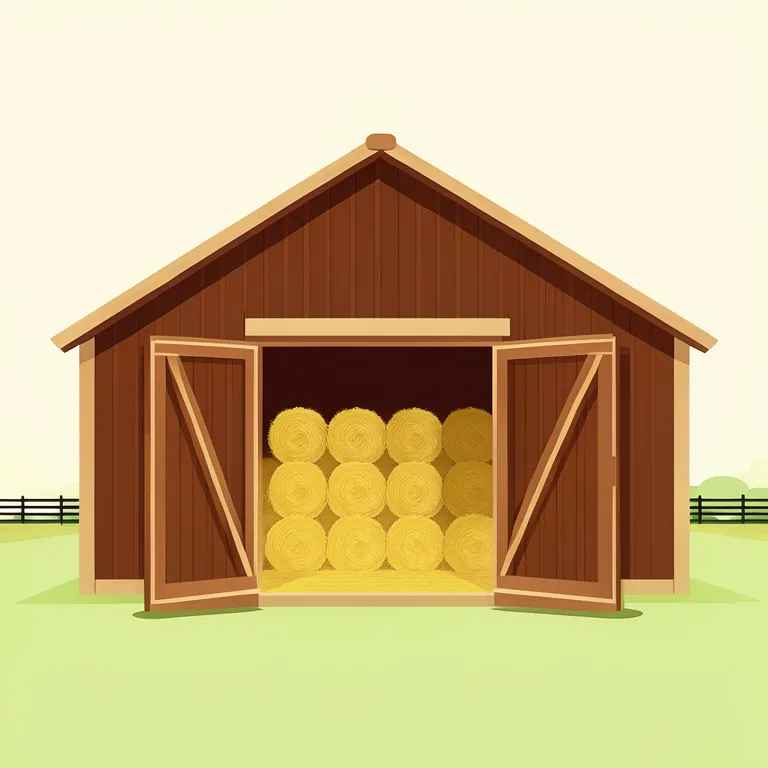
barn

barn

granero; establo

sustantivo
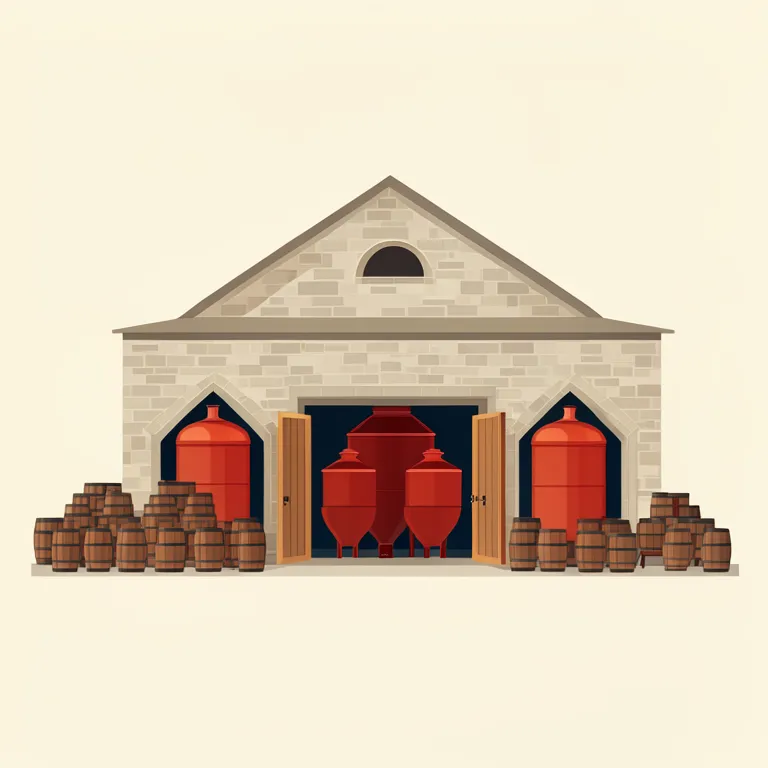
brewery

brewery

fábrica de cerveza

sustantivo

Es donde se fabrica la cerveza, no el bar donde se toma.

butcher

butcher

carnicero, carnicera

sustantivo

La tienda es the butcher's, con 's: la carnicería.

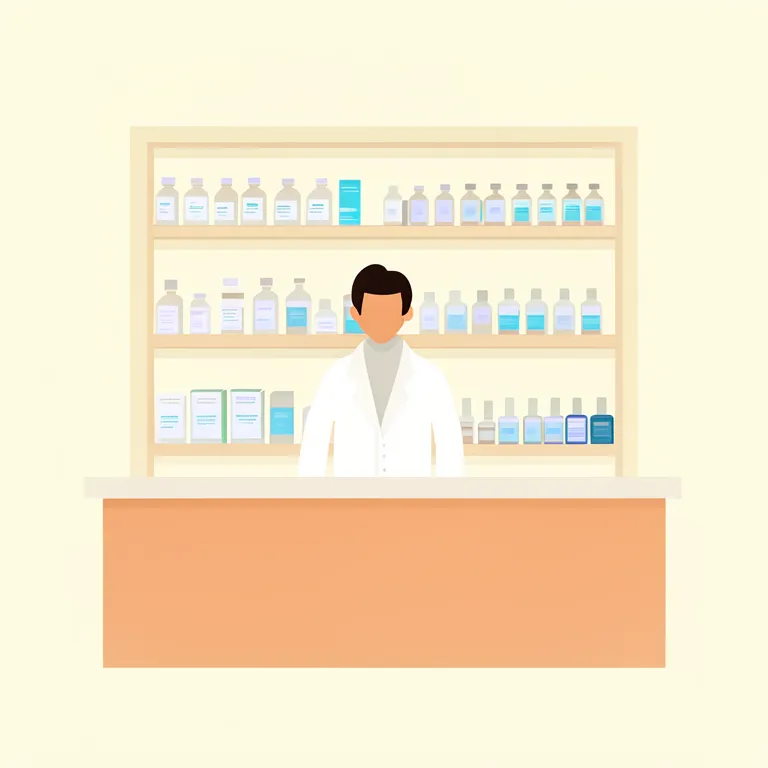
chemist

chemist

farmacéutico; farmacia

sustantivo

Inglés británico; la tienda suele llamarse chemist's, con 's. También significa «químico».

Is the chemist still open?¿Sigue abierta la farmacia?

chimney

chimney

chimenea

sustantivo

conducto por donde sale el humo

clinic

clinic

clínica; consultorio

sustantivo

Oraciones

Oraciones

25 oraciones con la regla nueva y las palabras nuevas. Tradúcelas; la corrección señala la palabra exacta que ha fallado y la regla que hay detrás.

2121/4

Oraciones

Escríbelo en inglés

Había dos escuelas.

1 / 4

Lectura

Lectura

Un texto corto hecho solo con palabras que ya conoces, con audio y preguntas.

My hometown, then and now

I grew up in a small town by the river. When I was a child, there was a castle on the hill, and there were fields all around the town. There was an old mill by the bridge, and my grandfather worked there for thirty years. In the square there was a fountain, and there were always children playing around it. There wasn't a supermarket in those days. There was a market on Saturdays, and there were three small shops on the main road. There weren't any traffic lights, because there wasn't much traffic. Last year I went back. The castle is still there, but the mill is a restaurant now. There is a big supermarket next to the bus station, and there are traffic lights on every corner. The fields are gone. There are new houses there now. It is a nice town, but it isn't my town any more.

  1. What was there on the hill?

  2. Where did the writer's grandfather work?

Diálogo

Diálogo

Dos voces, frase a frase. Escucha y luego responde.

Was there a cinema?

  1. Tom

    So you grew up in a village? Was there a cinema?

  2. Anna

    A cinema? No, there wasn't. There was one pub and a church.

  3. Tom

    Were there any shops?

  4. Anna

    One. It was a bakery and a post office at the same time.

  5. Tom

    And a school?

  6. Anna

    Yes, there was a small school. There were twenty children in the whole village.

  7. Tom

    Twenty! In my town there were two thousand kids and there weren't enough teachers.

  8. Anna

    Was there a lot of noise?

  9. Tom

    All day. Cars, buses, factories. There wasn't a quiet street anywhere.

  10. Anna

    In our village there was only one road, and there weren't any cars on it.

  1. Was there a cinema in Anna's village?

  2. How many children were there in Anna's village?

Repaso

Repaso

La regla y las palabras de esta lección vuelven según un calendario, y lo que fallas vuelve antes. Esta es la cola que esta página te prepararía.

A continuación

Todavía no hay errores. Equivócate más arriba y ese elemento aparecerá aquí el primero.

Más tarde

Las lecciones del nivel A2

Hoy hay 48 lecciones en el nivel A2. Acabas de ver la lección 1. Todas siguen los mismos seis pasos.

  1. 1There was / there wereesta
  2. 2Expresiones de pasado: ago, last, in
  3. 3Pasado continuo: afirmativo
  4. 4Pasado continuo: negación y preguntas
  5. 5Past simple y past continuous juntos
  6. 6used to: costumbres y estados del pasado
  7. 7Present perfect: afirmación
  8. 8Present perfect: negación y preguntas
  9. 9just, already y yet
  10. 10for y since
  11. 11¿Present perfect o past simple?
  12. 12will: el futuro en inglés
  13. 13¿will o going to?
  14. 14Presente continuo para planes acordados
  15. 15El primer condicional
  16. 16when, as soon as, before, after, until
  17. 17should para dar consejos
  18. 18have to y don't have to
  19. 19might y may para expresar posibilidad
  20. 20could: lo que podías hacer y peticiones educadas
  21. 21Verbos seguidos de -ing
  22. 22Verbos y adjetivos seguidos de to + verbo
  23. 23to + verbo para decir para qué
  24. 24Adverbios de modo
  25. 25Comparaciones con as ... as
  26. 26too y enough
  27. 27a lot of, a few, a little, too much, too many
  28. 28something, anything, nothing, everything: algo, nada, todo
  29. 29Oraciones de relativo con who, which, that
  30. 30Los pronombres reflexivos
  31. 31Pronombres posesivos: mine, yours, theirs
  32. 32Preguntas de sujeto y de objeto
  33. 33Unir ideas: so, although, even though
  34. 34La pasiva en presente simple
  35. 35La pasiva en pasado simple
  36. 36¿bored o boring? Adjetivos en -ed y en -ing
  37. 37Preposiciones de movimiento
  38. 38one y ones
  39. 39Hacer propuestas: Let's, Shall we, Why don't we
  40. 40All y both después del verbo
  41. 41Cantidades con of: a cup of tea, gusts of wind
  42. 42the washing, the shopping: la forma -ing como nombre
  43. 43as a teacher, as a student: decir el papel o el oficio con as
  44. 44The lights are off: partículas después de be
  45. 45go bowling, go camping: go + -ing para actividades
  46. 46nowhere to live, something to eat: to + infinitivo después de palabras indefinidas
  47. 47It feels like summer: like para comparar
  48. 48very tired, really good, so boring: los adverbios de grado

Empieza por una oración.

Escríbela, equivócate y entiende por qué. Ese es todo el método.

Disponible en Google PlayDescárgalo enel App StoreMuy pronto