14 topics · 1,414 words
Serbian vocabulary, topic by topic
A topic is a shelf of the course: the words the app shows you, with the picture, the voice and every form, free to read here. The course carries 5,401 words; 1,414 are sorted into topics, 3,987 come up in the lessons alone.
- Every word with a picture and a voice, no account
- The forms table of every word, the one the app shows
- Each topic lists its words in the order the lessons introduce them
Your first 10 lessons are free, in any course. No card needed.
 Download on theApp StoreComing soon
Vocabulary by topic
The topics
Open a topic for its words as cards, the lesson that introduces each one and a sentence it appears in.
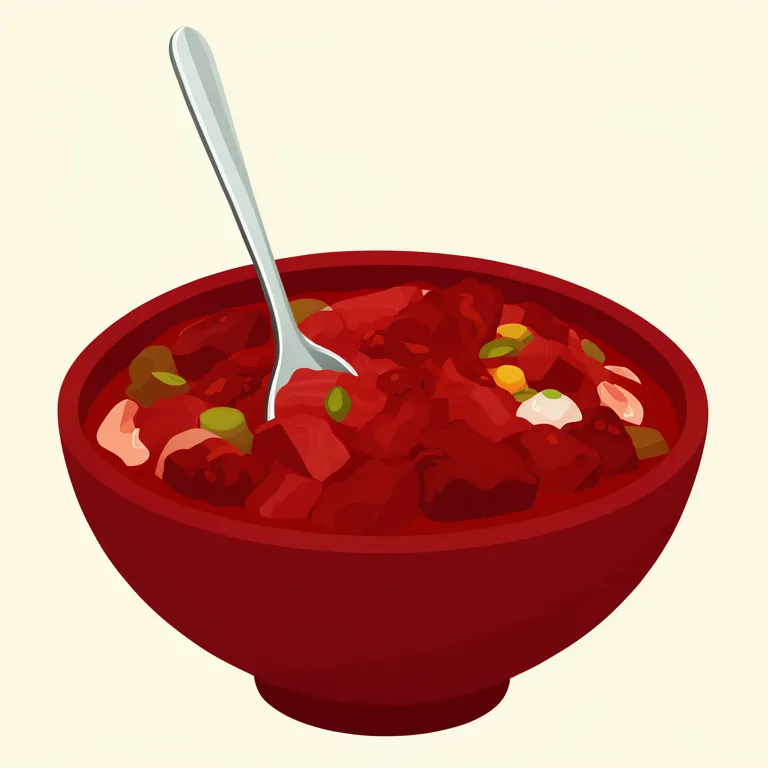

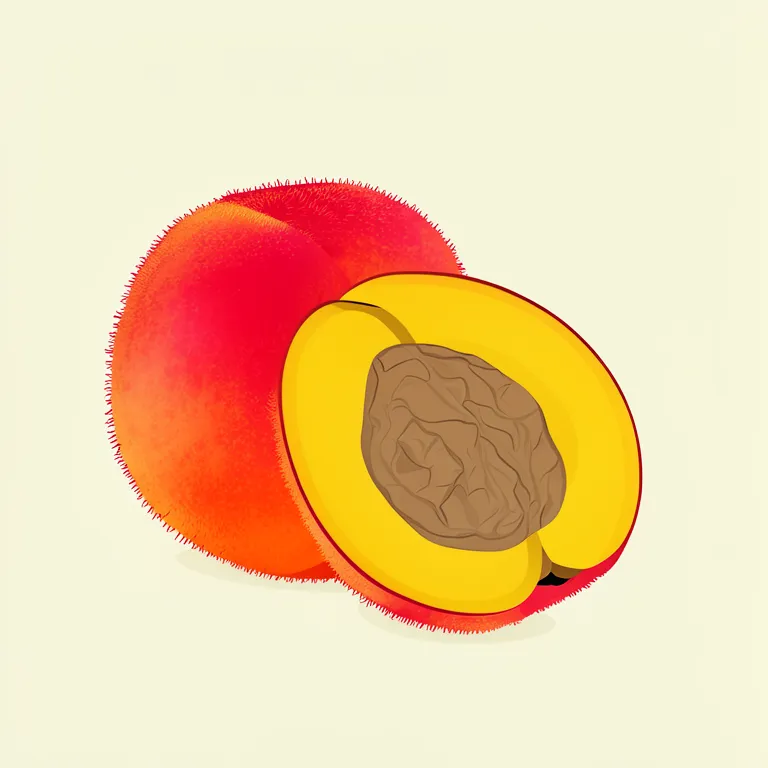
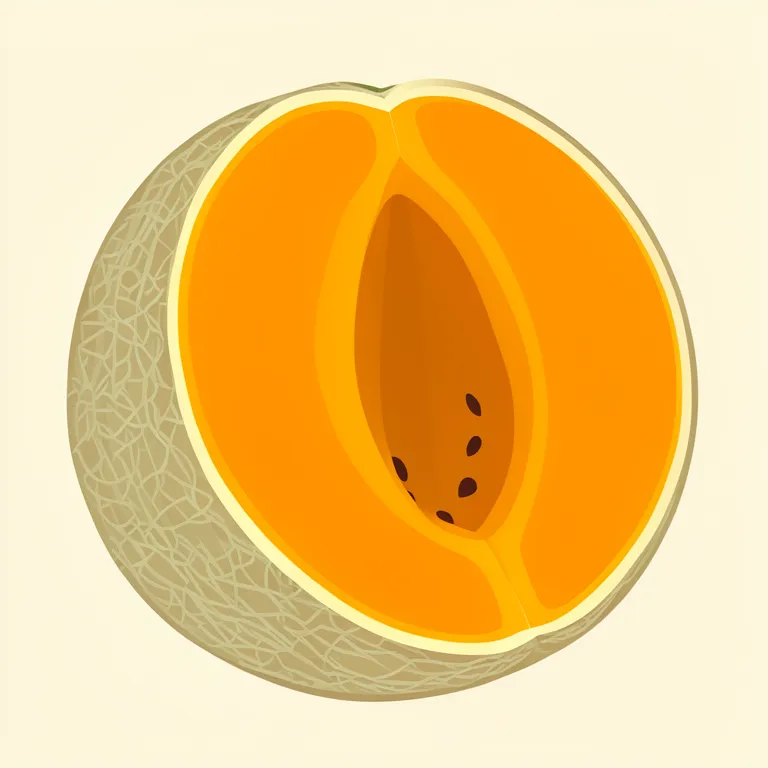
90 words · A1 · A2 · B2 · C1
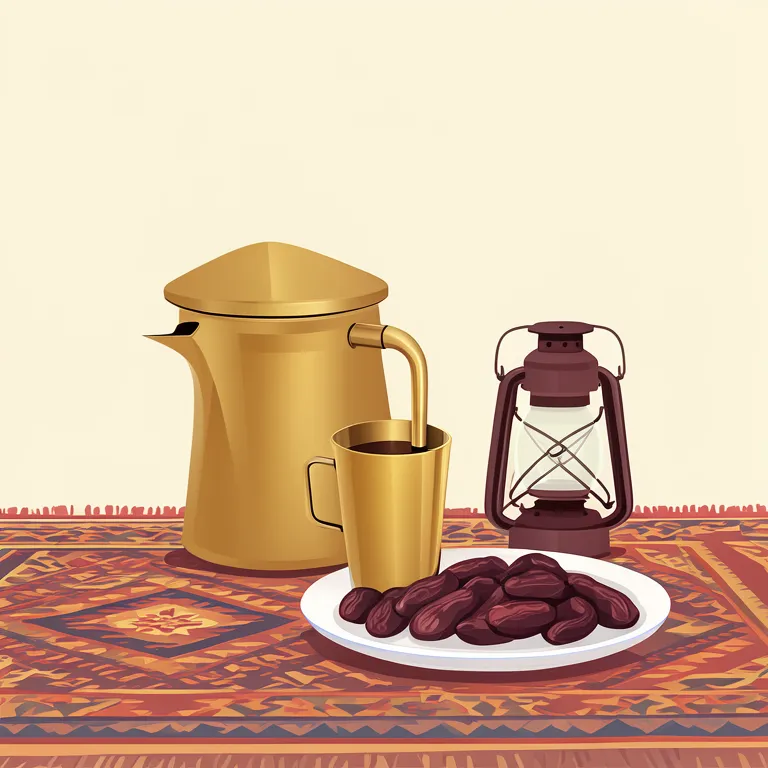
Food
Everyday food and drink: meals, staples, fruit, vegetables, meat and fish, sweets, drinks, tastes and cooking.
Lessons 1–51Open the topic →
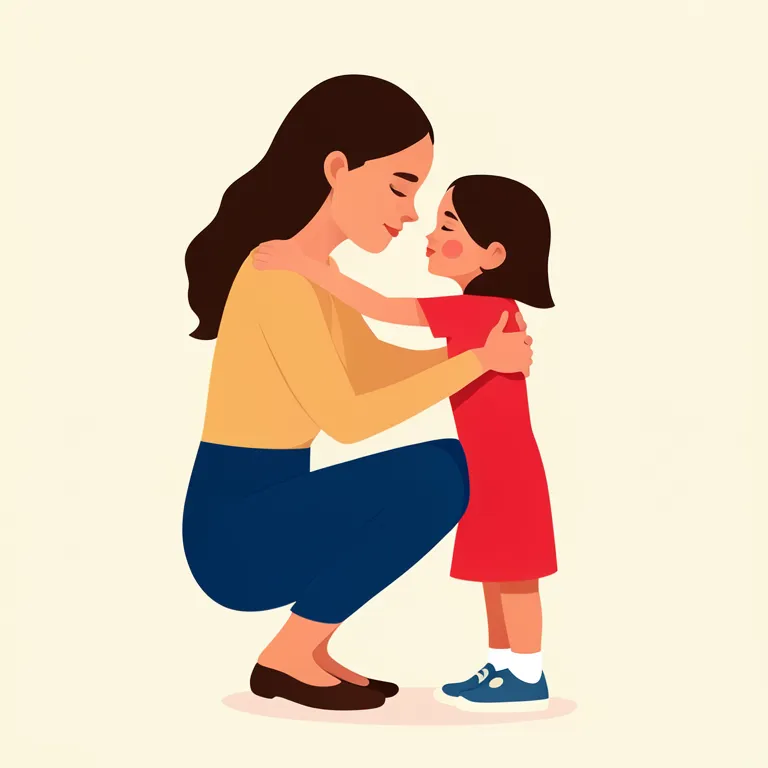
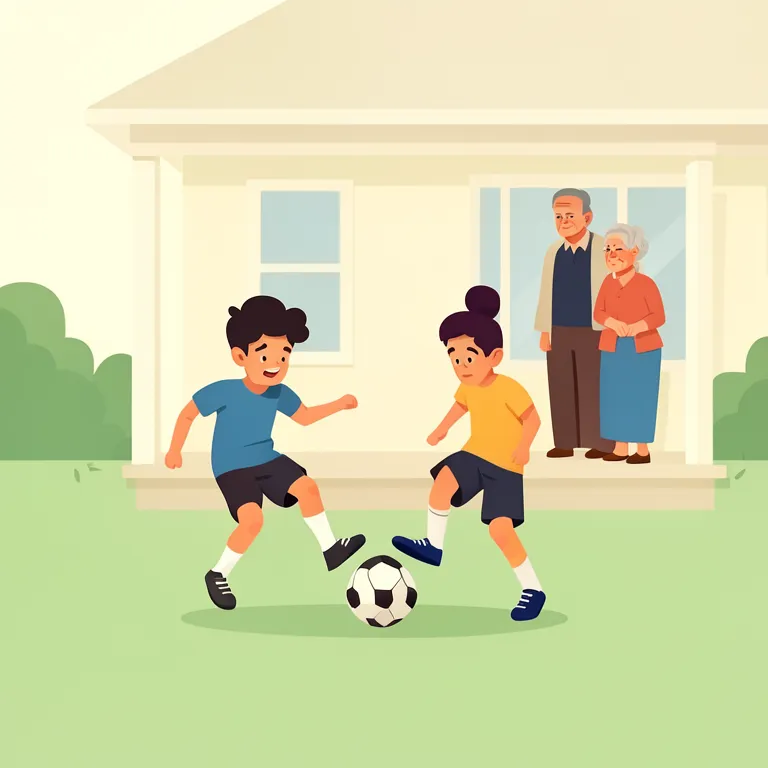

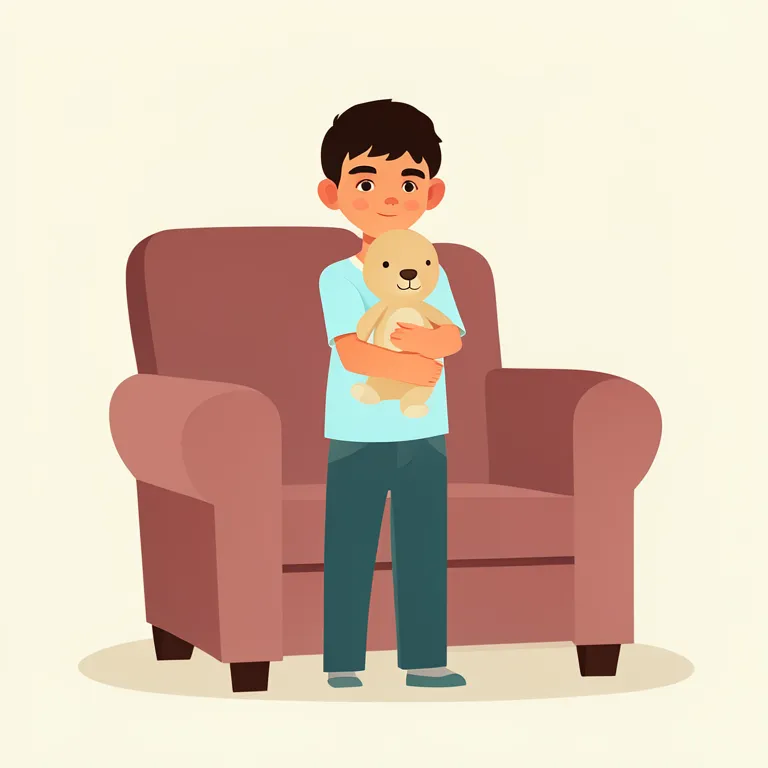
92 words · A1 · A2 · B1 · B2 · C1
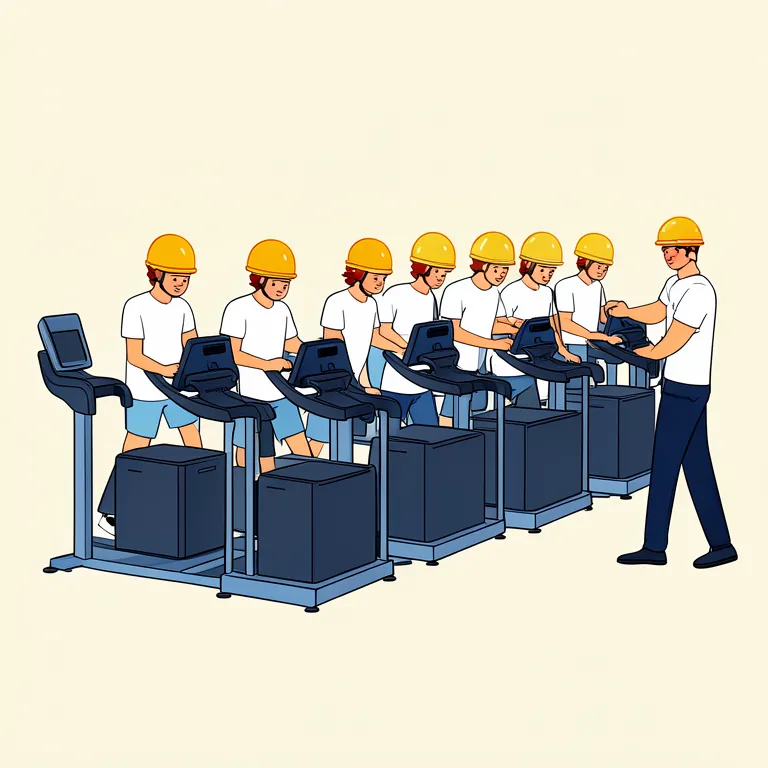
Family
Family members, relatives and in-laws, and the words for the ties between them — parents and children, siblings, grandparents, marriage and kinship.
Lessons 1–48Open the topic →

112 words · A1 · A2 · B1 · B2 · C1
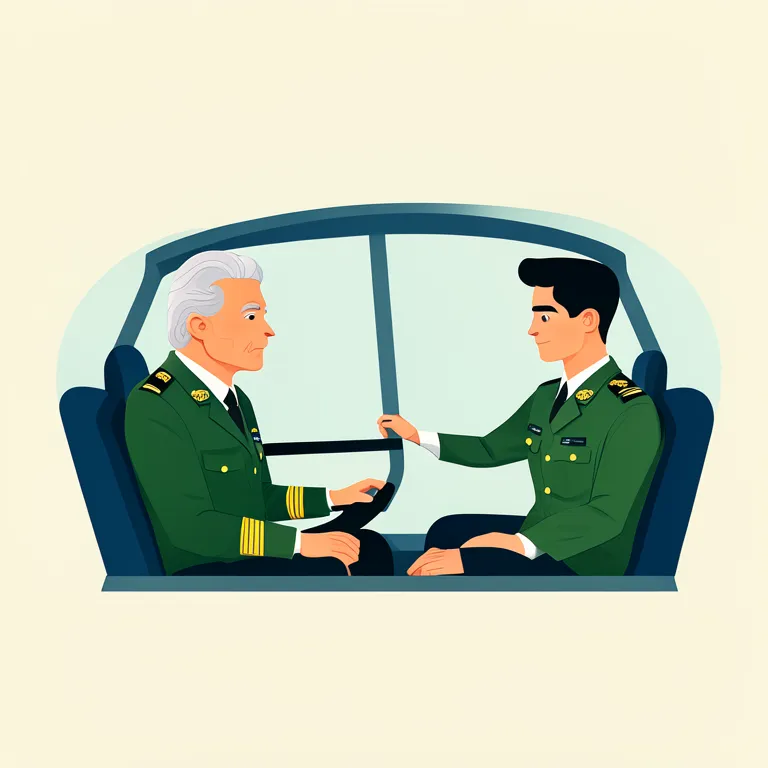
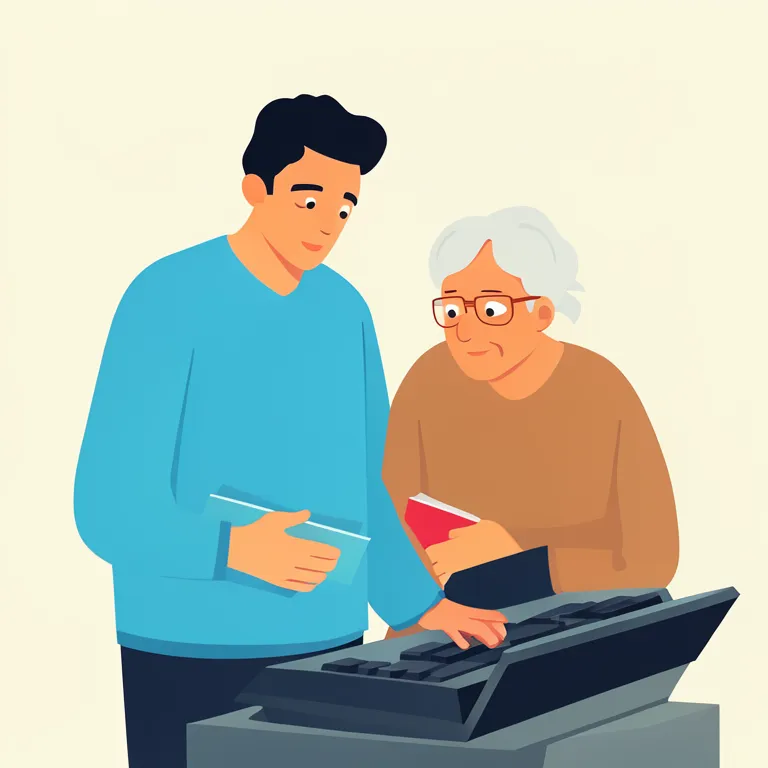
Work
Jobs and employment: the workplace, the people in it, pay and contracts, the tools of an office, and the verbs of getting hired, doing the job and leaving it.
Lessons 2–49Open the topic →
100 words · A1 · A2 · B1 · B2 · C1
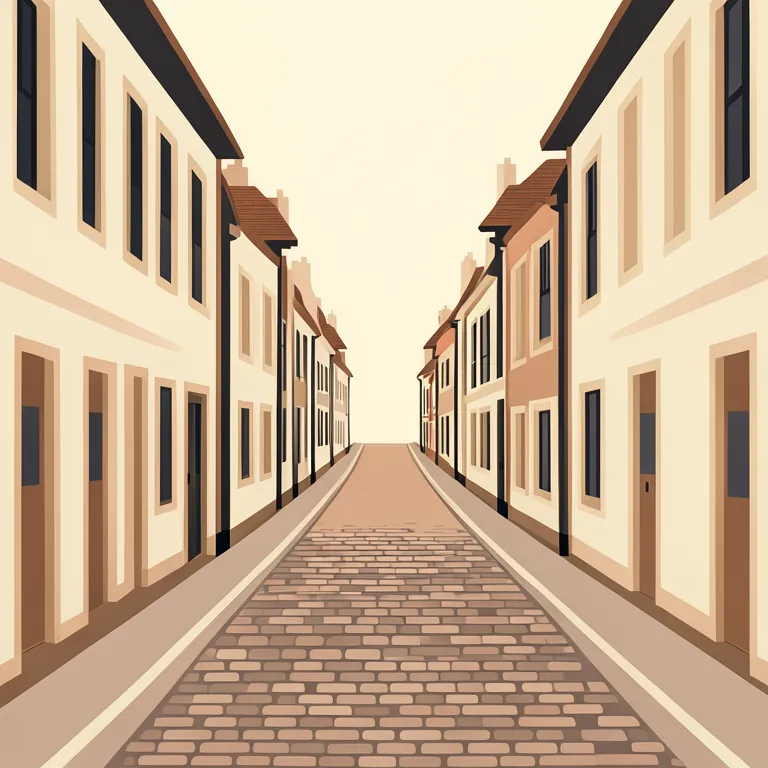
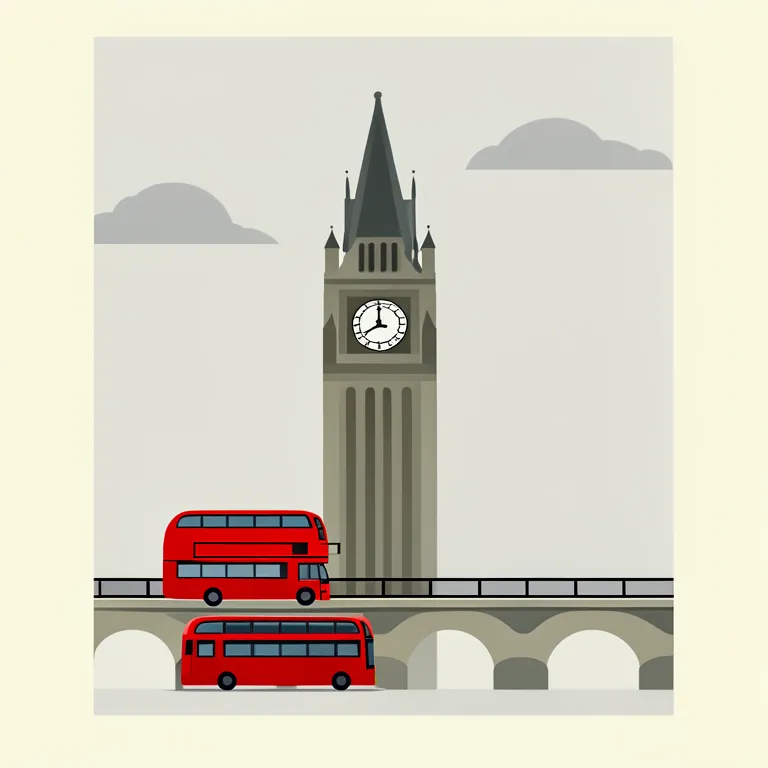
City
The city and its places: streets and squares, buildings and landmarks, shops and services, getting around town.
Lessons 1–51Open the topic →
104 words · A1 · A2 · B1 · B2 · C1
Countries and nationalities
Countries, continents and the words for the people who come from them: nationality nouns, nationality adjectives and language names, plus the vocabulary of borders, passports and citizenship.
Lessons 1–50Open the topic →
114 words · A1 · A2 · B1 · B2 · C1
Numbers
Counting and quantity: cardinal and ordinal numbers, fractions, arithmetic and words for amounts.
Lessons 1–47Open the topic →

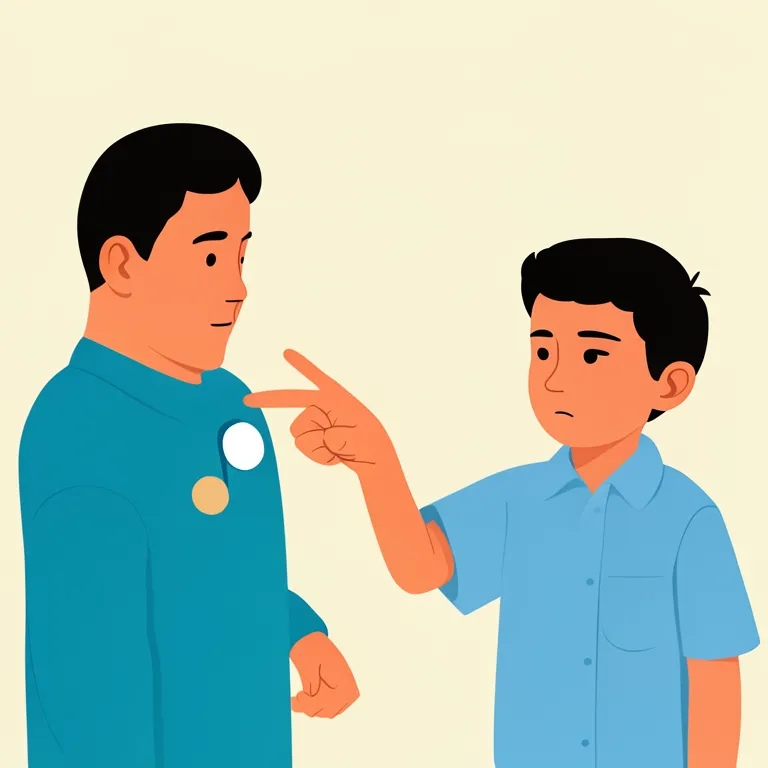
100 words · 4 phrases · A1 · A2 · B1 · B2 · C1
Greetings and politeness
Saying hello and goodbye, thanking, apologising, wishing well, and the words for being polite.
Lessons 1–50Open the topic →


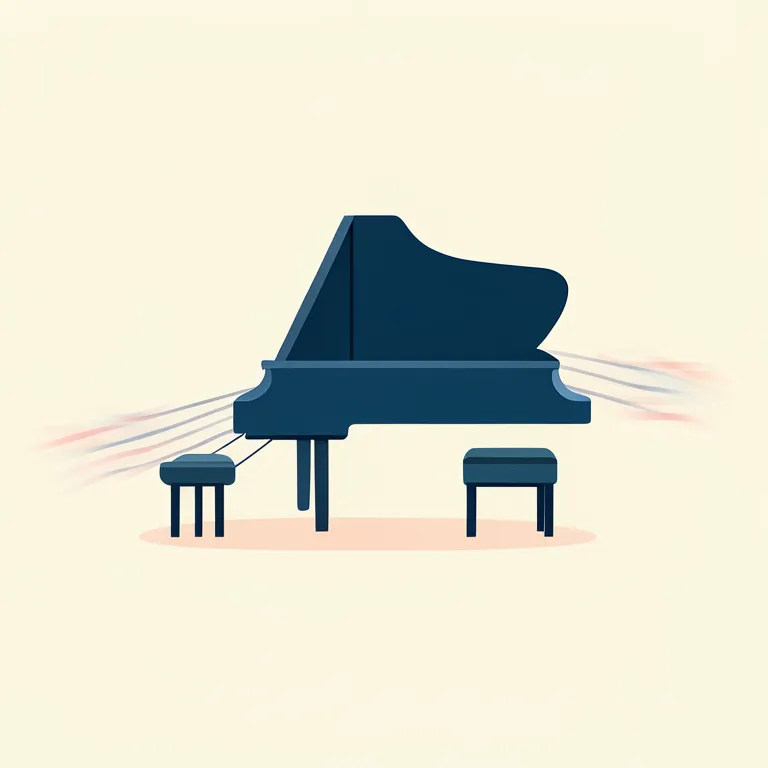

124 words · A1 · A2 · B1 · B2 · C1
Time and dates
Telling the time, days of the week, months, seasons, and the words for when things happen: today, tomorrow, last year, always, never.
Lessons 1–50Open the topic →


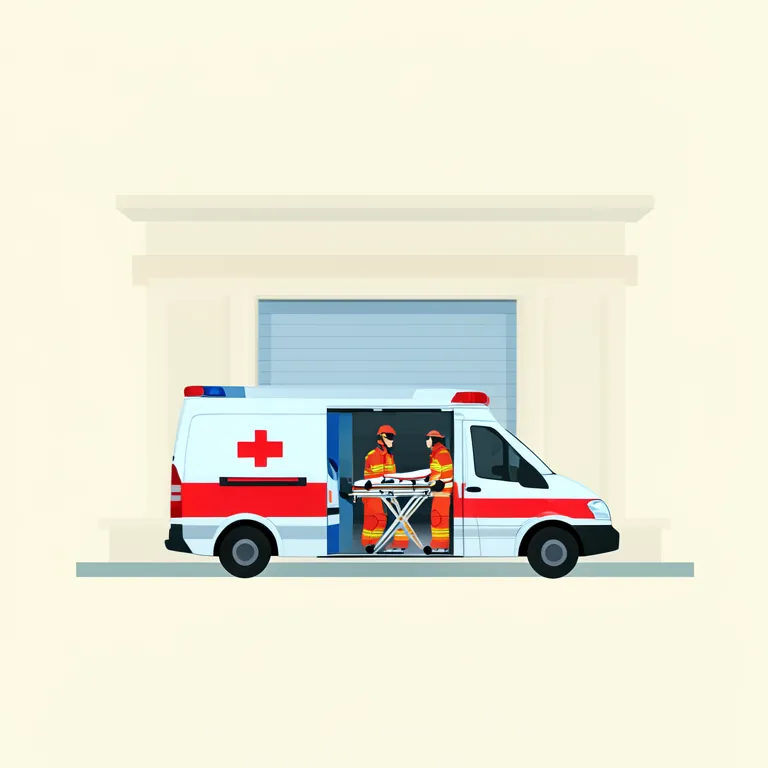
91 words · A1 · A2 · B1 · B2 · C1
Emergencies
Police, ambulance and fire: calling for help, accidents and injuries, crime, fire and natural disasters, and the words for getting help fast.
Lessons 1–50Open the topic →
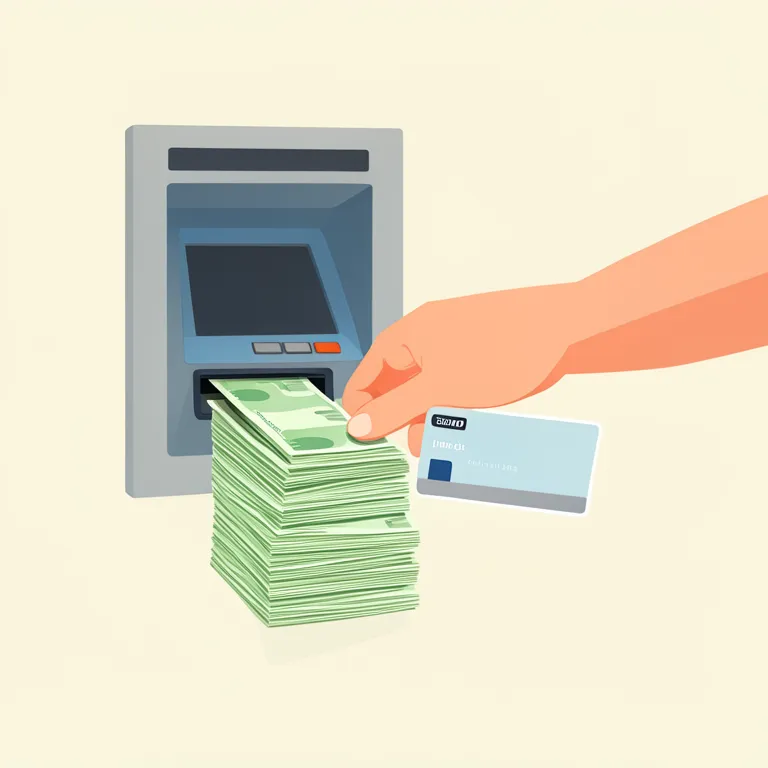


97 words · A1 · A2 · B1 · B2 · C1
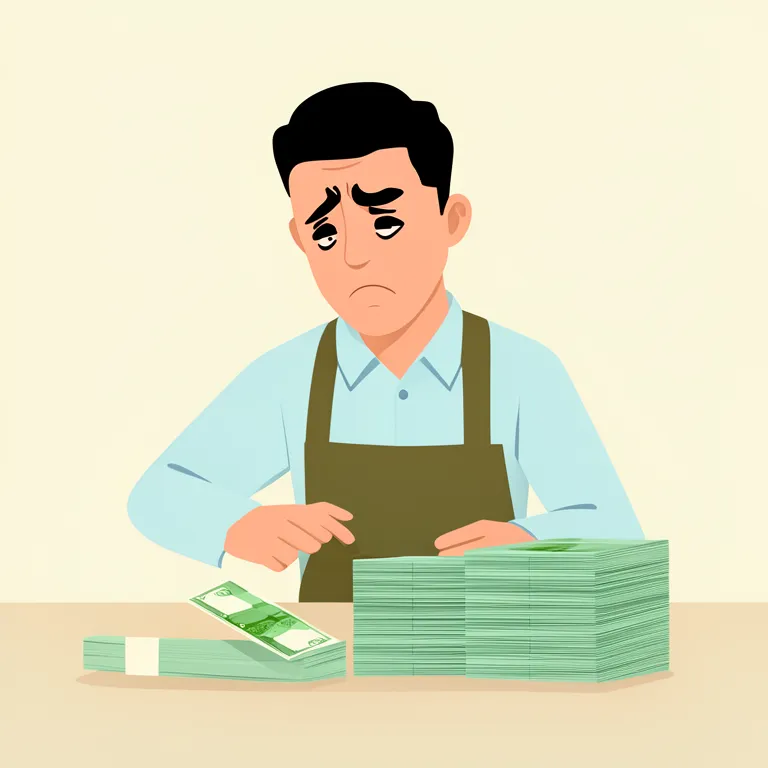
Money and banking
Money, prices and paying, plus the bank: accounts, cards, cash machines, transfers, loans and exchange rates.
Lessons 6–50Open the topic →

107 words · A1 · A2 · B1 · B2 · C1
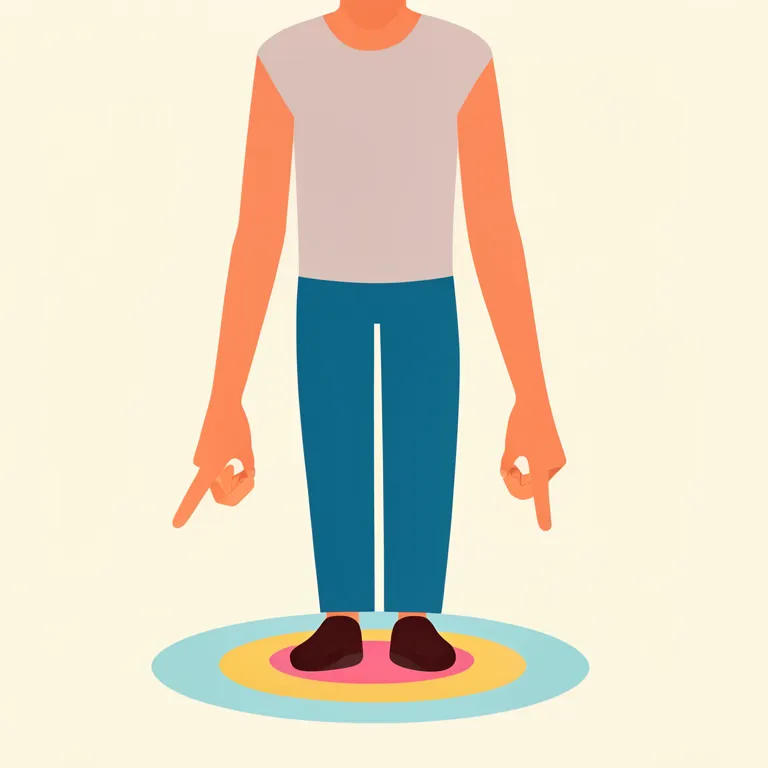
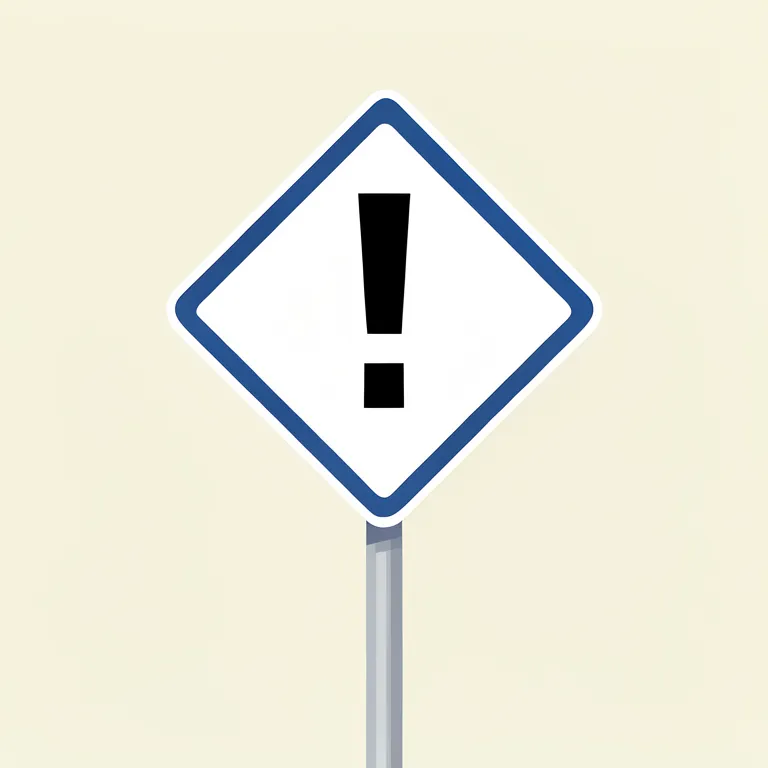
Directions and places
Finding your way: left and right, near and far, compass points, crossroads and corners, landmarks to steer by, and the words for asking and giving directions.
Lessons 1–51Open the topic →



67 words · A1 · A2 · B1 · B2 · C1
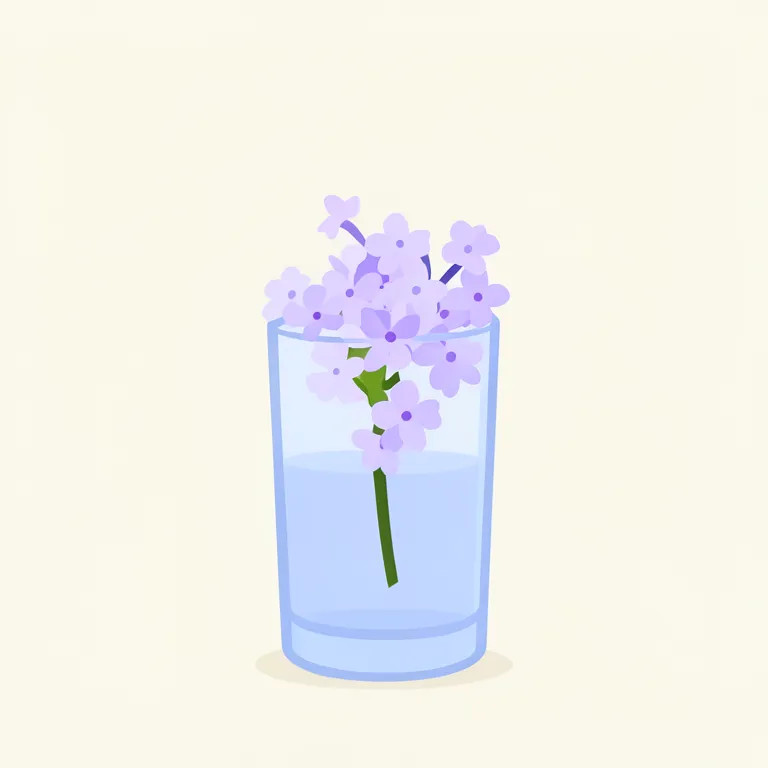
Colours
Colour words, shades and tints, and the verbs for colouring and changing colour.
Lessons 5–47Open the topic →
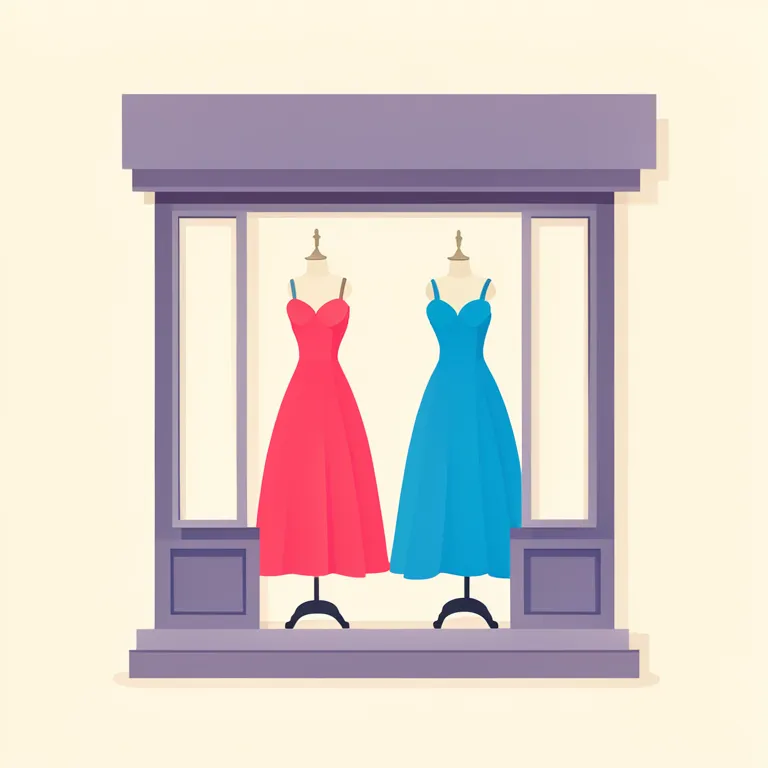

109 words · A1 · A2 · B1 · B2 · C1
Shopping
Shops and markets, buying and paying, prices, sizes and the people and things you meet at the till.
Lessons 2–52Open the topic →
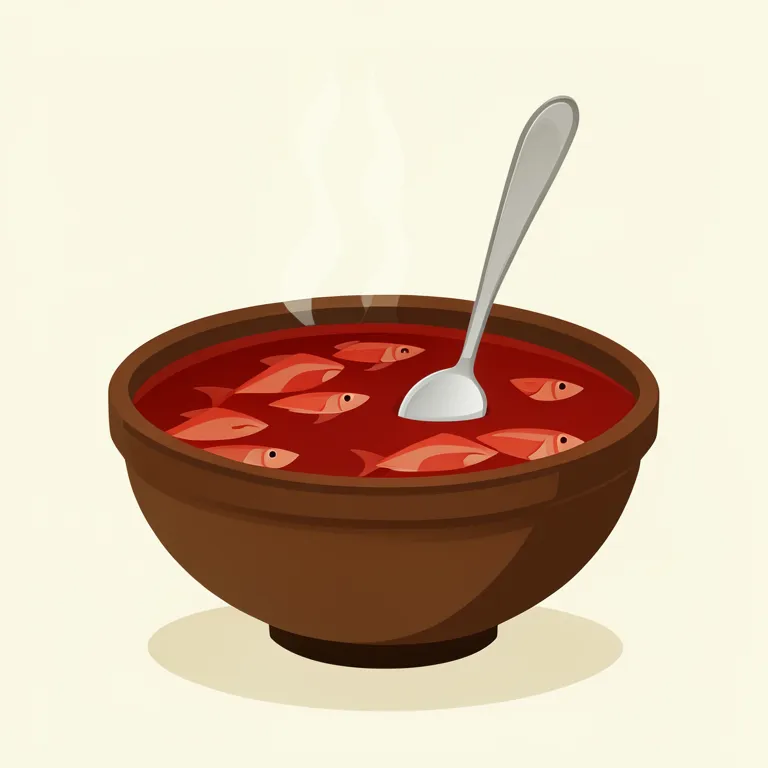
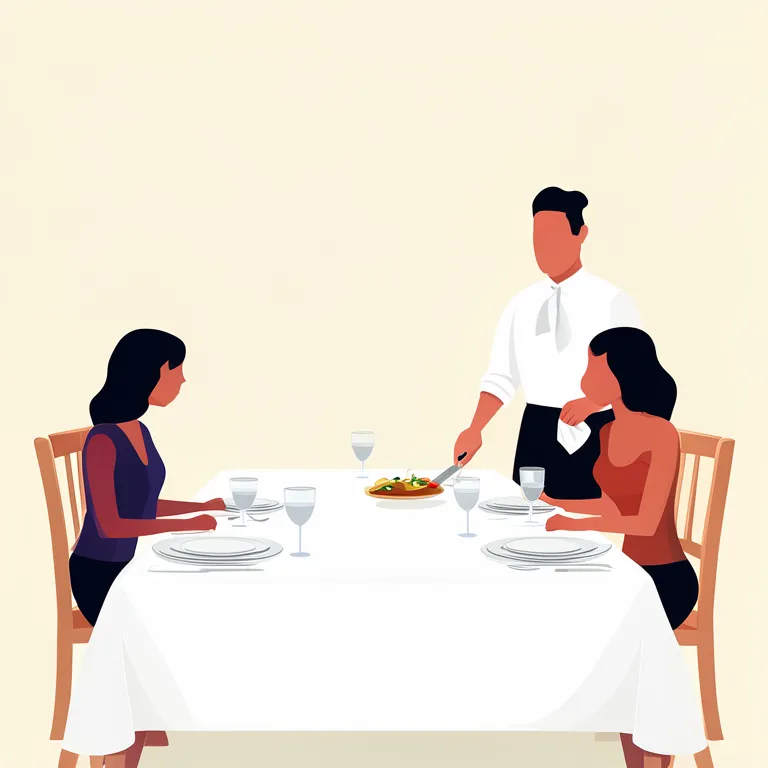
213 words · A1 · A2 · B1 · B2 · C1
Restaurant and café
Eating and drinking out: places, staff, the table and what is on it, the menu and its courses, ordering, paying and tipping, café drinks and dishes you meet on a Serbian menu.
Lessons 1–51Open the topic →
Words as cards
Every word has a picture. Even the abstract ones.
Memory hooks, not illustrations. Each card is a picture, a voice, the translation and a sentence you have already met.

biti
to be
verbIts short present forms are sam, si, je, smo, ste, su; the negative of je is nije.
Nisu studenti.They are not students.
infinitive: biti · present tense person singular plural 1. sam smo 2. si ste 3. je su 
razumeti
to understand
verbNe razumem ruski.I don't understand Russian.
infinitive: razumeti · present tense person singular plural 1. razumem razumemo 2. razumeš razumete 3. razume razumeju / razumiju 
lep
beautiful
adjectiveLjubav je lepa.Love is beautiful.
nominative gender singular plural masculine lep / lepi lepi feminine lepa lepe neuter lepo lepa 
grad
city, town; hail
nounGrad ima milion stanovnika.The city has a million inhabitants.
masculine noun case singular plural nom grad gradovi gen grada gradova dat gradu gradovima acc grad gradove voc grade gradovi ins gradom gradovima loc gradu gradovima
The other 3,987 words come up in the lessons alone, each in a sentence you type. The course →
In the app
Add any of these words to what you are learning
- 1
Open the topic in the app's library: the same words, each with your own level on it.
- 2
Tap a word. The same card as here, with your level and the option to learn it.
- 3
Add it. It comes up in a session with its own tasks, then in repetition until it sticks.
Your first 10 lessons are free, in any course. No card needed.
More from the course
The grammar cards, the sample lesson, the glossary of terms and plain answers about the language.
The course →
Levels and lessons as published today, and one real lesson per level to walk through step by step.
Grammar →
Every rule the course teaches, in the order it is taught.
Guide →
Plain answers about the language: how hard it is, what to learn first, where your own language helps and where it misleads.
Grammar glossary →
The terms the grammar pages use, explained in plain English.
Start with one sentence.
Type it, get it wrong, understand why. That is the whole method.
Your first 10 lessons are free, in any course. No card needed.
Download on theApp StoreComing soon