91 words · A1 · A2 · B1 · B2 · C1 · Lesson 1–50
Emergencies
Police, ambulance and fire: calling for help, accidents and injuries, crime, fire and natural disasters, and the words for getting help fast.
- 91 words, each with a picture and a voice
- The forms table of every word, the one the app shows
- Each card names the lesson where the course introduces the word
Your first 10 lessons are free, in any course. No card needed.
 Download on theApp StoreComing soon
Vocabulary by topic
The words
In the order the course introduces them. Open a card for the full forms table; the lesson link takes you to that level.

strah
fear
nounB1 · Lesson 1Masculine.
On ima veliki strah od visine.He has a great fear of heights.
Forms
masculine noun case singular plural nom strah strahovi gen straha strahova dat strahu strahovima acc strah strahove voc strahu strahovi ins strahom strahovima loc strahu strahovima 
zvati
to call
verbA1 · Lesson 1With se it means "to be called" rather than "to call someone" — the person named is the subject.
Zovem se Ljiljana.My name is Ljiljana.
Forms
infinitive: zvati · present tense person singular plural 1. zovem zovemo 2. zoveš zovete 3. zove zovu 
apoteka
pharmacy
nounA1 · Lesson 2Idem do apoteke.I am going as far as the pharmacy.
Forms
feminine noun case singular plural nom apoteka apoteke gen apoteke apoteka dat apoteci apotekama acc apoteku apoteke voc apoteko apoteke ins apotekom apotekama loc apoteci apotekama 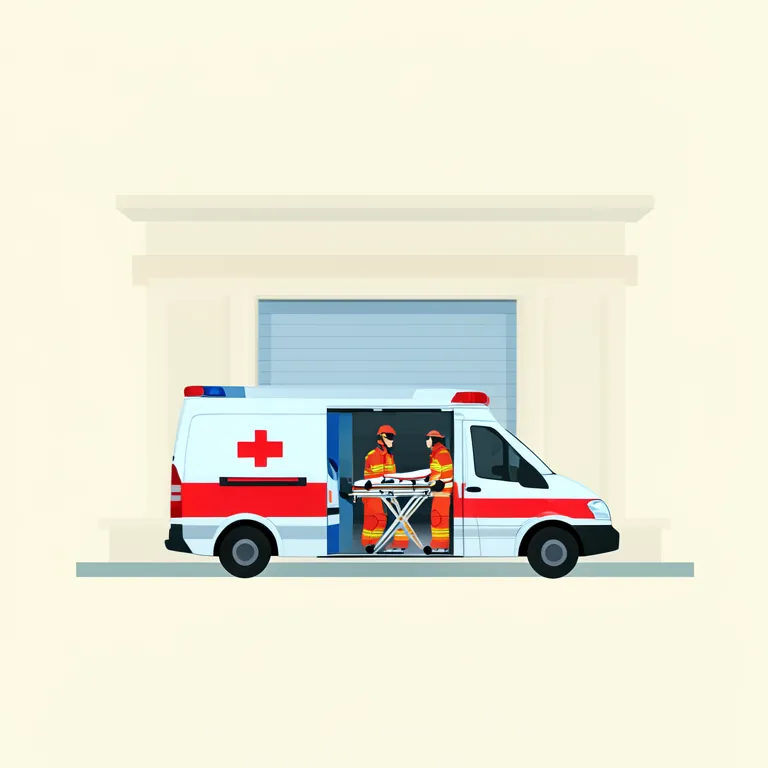
bolnica
hospital
nounA1 · Lesson 2Ana radi u bolnici.Ana works at a hospital.
Forms
feminine noun case singular plural nom bolnica bolnice gen bolnice bolnica dat bolnici bolnicama acc bolnicu bolnice voc bolnice bolnice ins bolnicom bolnicama loc bolnici bolnicama 
izlaz
exit
nounA1 · Lesson 2Ovde je ulaz, a tamo je izlaz.The entrance is here and the exit is there.
Forms
masculine noun case singular plural nom izlaz izlazi gen izlaza izlaza dat izlazu izlazima acc izlaz izlaze voc izlaze izlazi ins izlazom izlazima loc izlazu izlazima 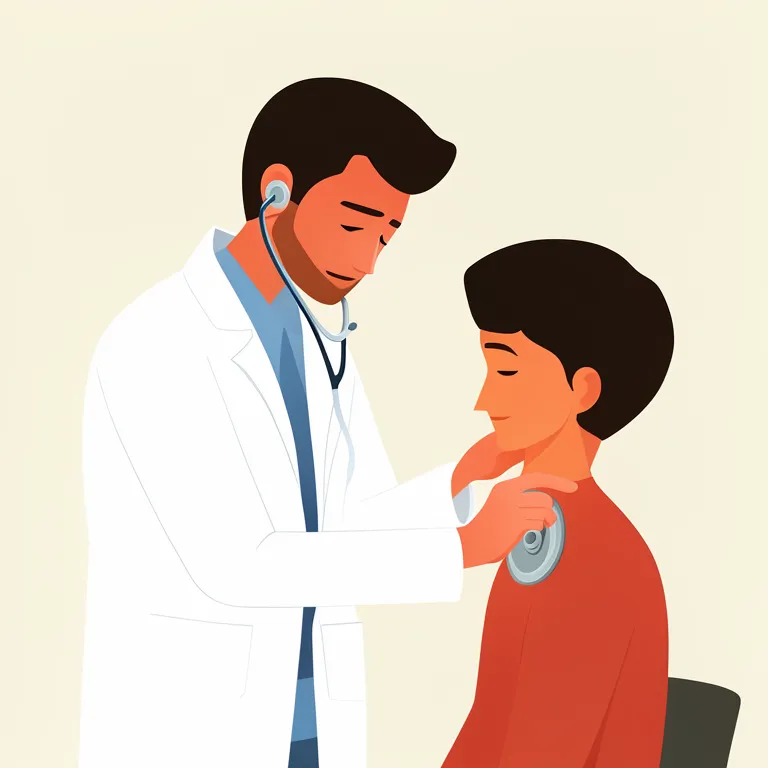
doktor
doctor
nounA1 · Lesson 4Vi ste doktor.You are a doctor.
Forms
masculine noun case singular plural nom doktor doktori gen doktora doktora dat doktoru doktorima acc doktora doktore voc doktore doktori ins doktorom doktorima loc doktoru doktorima 
opasan
dangerous
adjectiveB1 · Lesson 4The a appears only in the masculine nominative singular.
Forms
nominative gender singular plural masculine opasni / opasan opasni feminine opasna opasne neuter opasno opasna 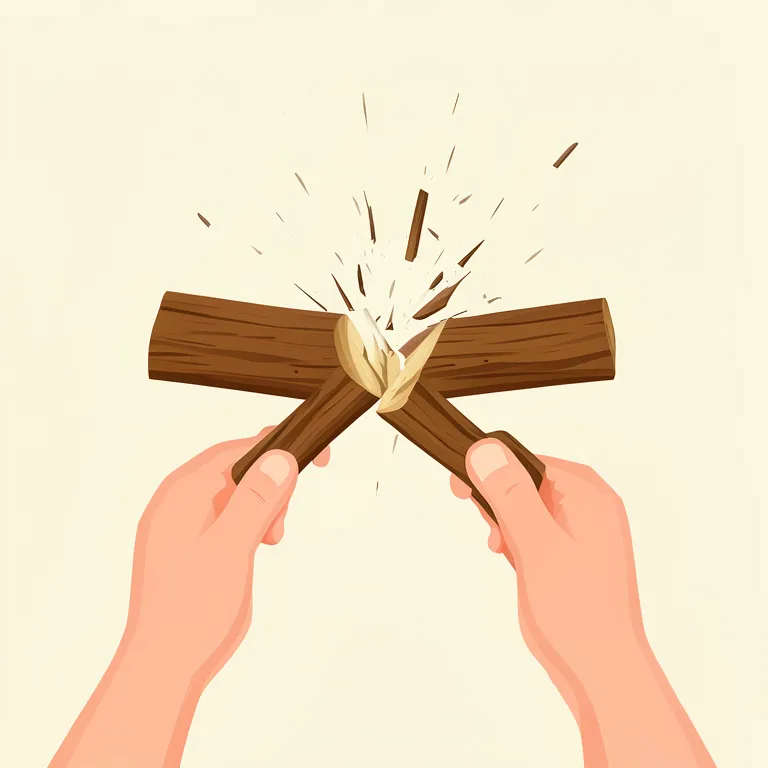
slomiti
to break
verbB1 · Lesson 4to snap something — a bone, a stick
Slomila se drška od moje omiljene šolje.The handle of my favourite mug has broken off.
Forms
infinitive: slomiti · present tense person singular plural 1. slomim slomimo 2. slomiš slomite 3. slomi slome 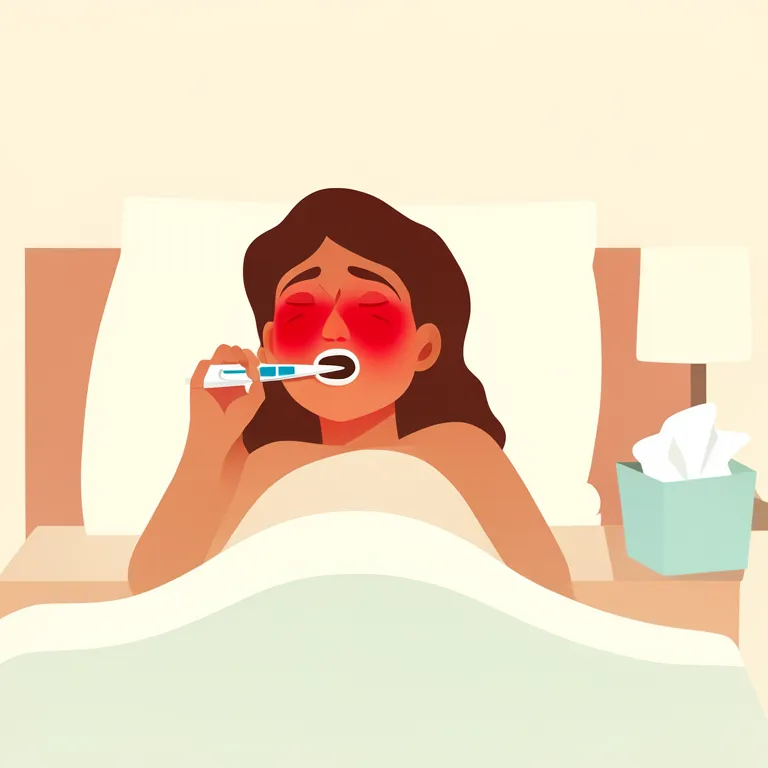
bolest
illness, disease
nounA2 · Lesson 5Feminine although it ends in a consonant: plural bolesti, so the dative/locative plural is bolestima.
U bolnicama lekari pričaju o bolestima.In the hospitals the doctors talk about illnesses.
Forms
feminine noun case singular plural nom bolest bolesti gen bolesti bolesti dat bolesti bolestima acc bolest bolesti voc bolesti bolesti ins bolešću / bolesti bolestima loc bolesti bolestima 
krv
blood
nounB1 · Lesson 5Forms
feminine noun case singular plural nom krv krvi gen krvi krvi dat krvi krvima acc krv krvi voc krvi krvi ins krvi / krvlju krvima loc krvi krvima 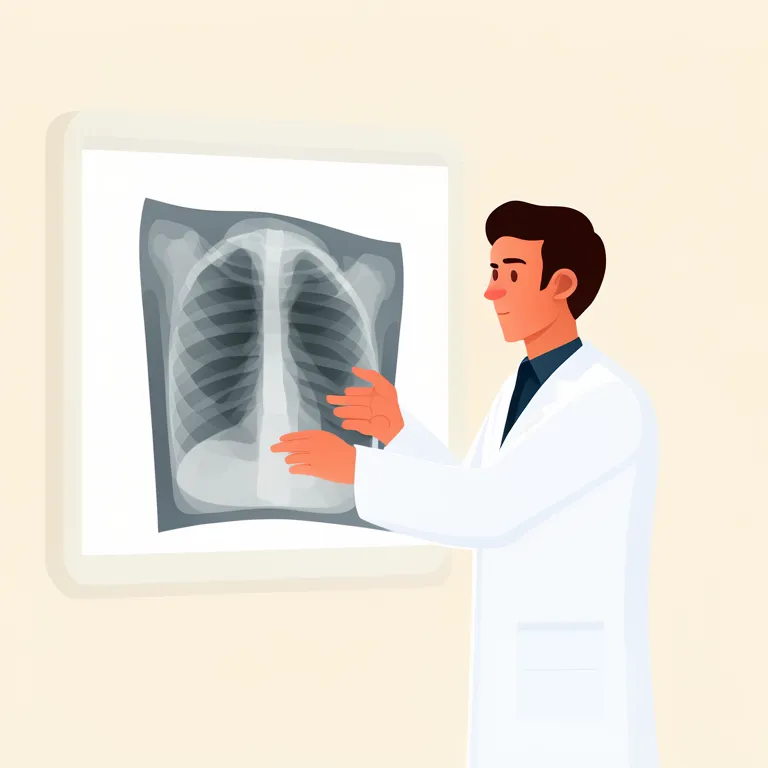
lekar
doctor
nounA1 · Lesson 5A male doctor, or a doctor when the sex is not specified. Also used generally for the profession.
Nisam lekar.I am not a doctor.
Forms
masculine noun case singular plural nom lekar lekari gen lekara lekara dat lekaru lekarima acc lekara lekare voc lekare / lekaru lekari ins lekarem / lekarom lekarima loc lekaru lekarima 
policajac
police officer
nounA1 · Lesson 5Ne, nisam policajac.No, I am not a police officer.
Forms
masculine noun case singular plural nom policajac policajaci / policajci gen policajca / policajaca policajaca dat policajcu / policajacu policajacima / policajcima acc policajaca / policajca policajace / policajce voc policajče / policajače policajci / policajaci ins policajacem / policajcem policajcima / policajacima loc policajcu / policajacu policajcima / policajacima 
policija
police
nounA2 · Lesson 5A singular noun in Serbian: policija pomaže, not a plural.
Lopova je uhapsila policija.It was the police who arrested the thief.
Forms
feminine noun case singular plural nom policija policije gen policije policija dat policiji policijama acc policiju policije voc policijo policije ins policijom policijama loc policiji policijama 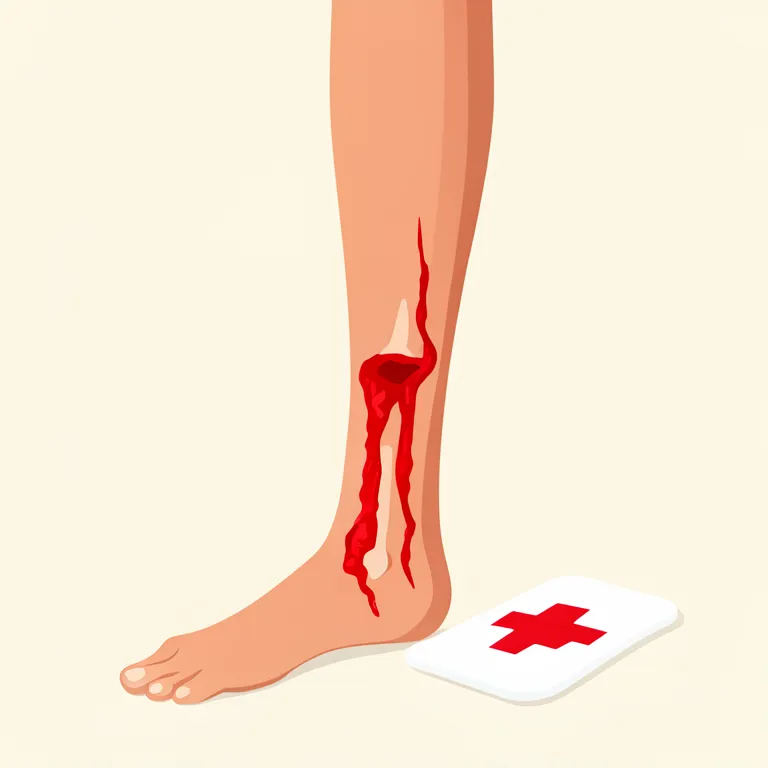
rana
wound
nounB1 · Lesson 5Imam ranu na nozi.I have a wound on my leg.
Forms
feminine noun case singular plural nom rana rane gen rane rana dat rani ranama acc ranu rane voc rano rane ins ranom ranama loc rani ranama 
slomljen
broken
adjectiveB1 · Lesson 5snapped — a bone, a limb, an object
Noga mu nije slomljena.His leg isn't broken.
Forms
nominative gender singular plural masculine slomljeni / slomljen slomljeni feminine slomljena slomljene neuter slomljeno slomljena 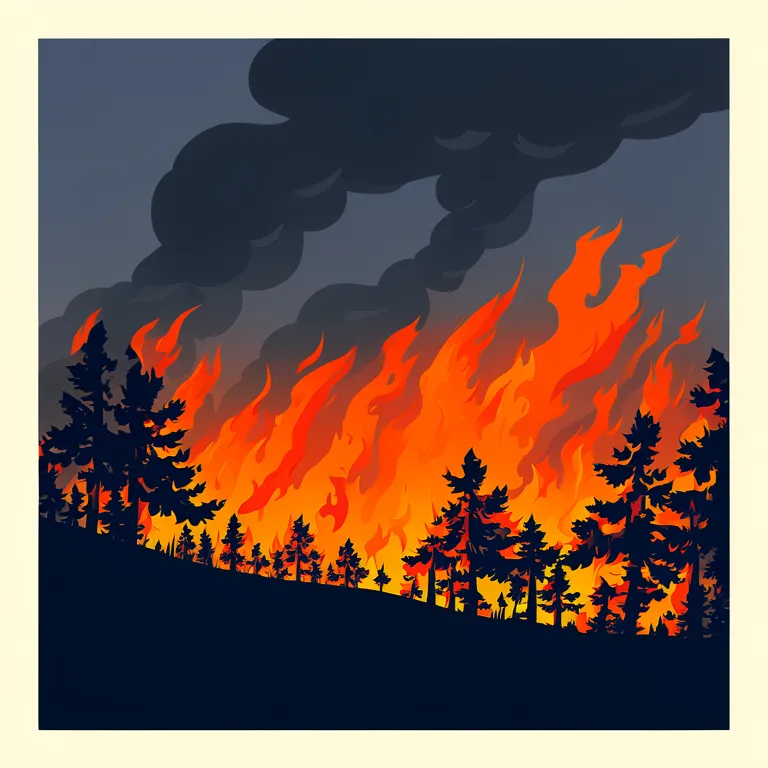
požar
fire, blaze
nounB1 · Lesson 10a destructive fire, the kind you call the fire brigade about
Rano ujutru je izbio požar u skladištu.Early in the morning a fire broke out at the warehouse.
Forms
masculine noun case singular plural nom požar požari gen požara požara dat požaru požarima acc požar požare voc požare / požaru požari ins požarom požarima loc požaru požarima 
siguran
sure, certain; safe
adjectiveA1 · Lesson 10Loses its a before an ending too: a woman says sigurna.
Možda jeste, ali nisam siguran.Maybe it is, but I'm not sure.
Forms
nominative gender singular plural masculine sigurni / siguran sigurni feminine sigurna sigurne neuter sigurno sigurna 
spasilac
rescuer, lifeguard
nounB1 · Lesson 10Plural spasioci: the l becomes o and the a drops.
Ovog leta ćemo raditi kao spasioci na bazenu.This summer we will work as lifeguards at the pool.
Forms
case singular plural nom spasilac spasioci gen spasioca spasilaca dat spasiocu spasiocima acc spasioca spasioce voc spasioče spasioci ins spasiocem spasiocima loc spasiocu spasiocima 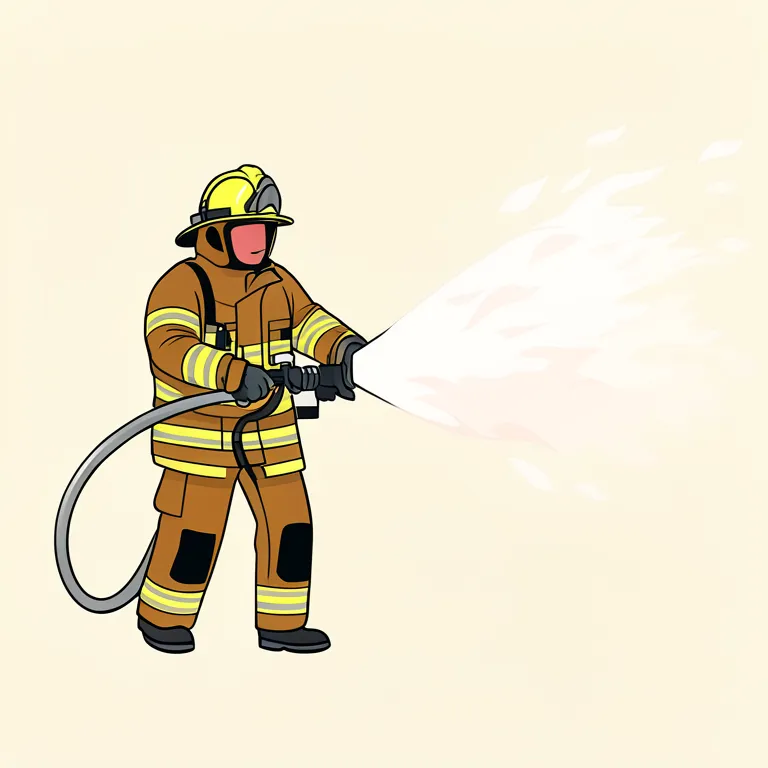
vatrogasac
firefighter
nounB1 · Lesson 10The a before c drops in other forms: plural vatrogasci.
Forms
masculine noun case singular plural nom vatrogasac vatrogasci gen vatrogasca vatrogasaca dat vatrogascu vatrogascima acc vatrogasca vatrogasce voc vatrogašče vatrogasci ins vatrogascem vatrogascima loc vatrogascu vatrogascima 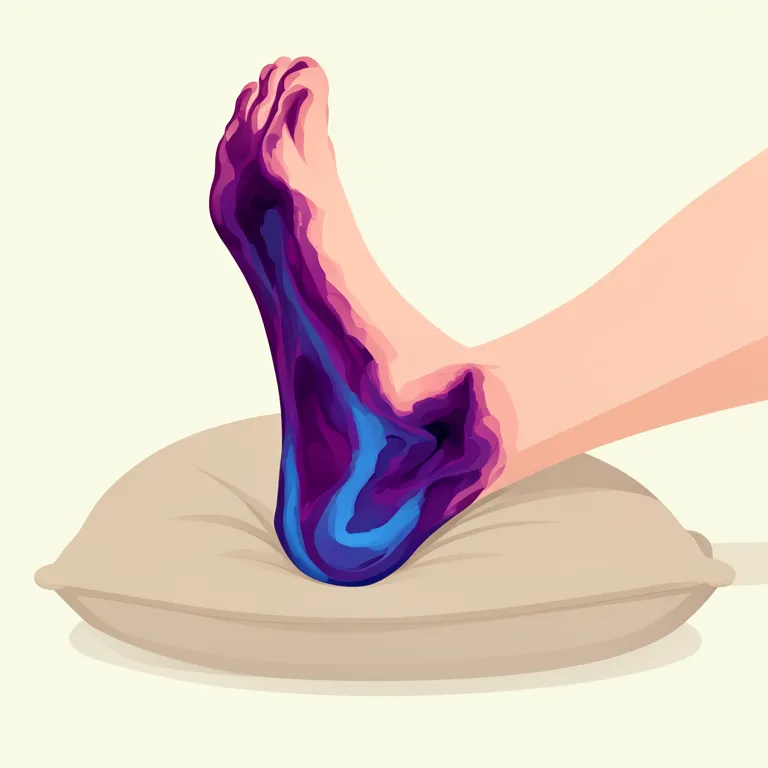
povreda
injury
nounB1 · Lesson 12Četvorica igrača nisu mogli da igraju zbog povrede.Four players couldn't play because of injury.
Forms
feminine noun case singular plural nom povreda povrede gen povrede povreda dat povredi povredama acc povredu povrede voc povredo povrede ins povredom povredama loc povredi povredama 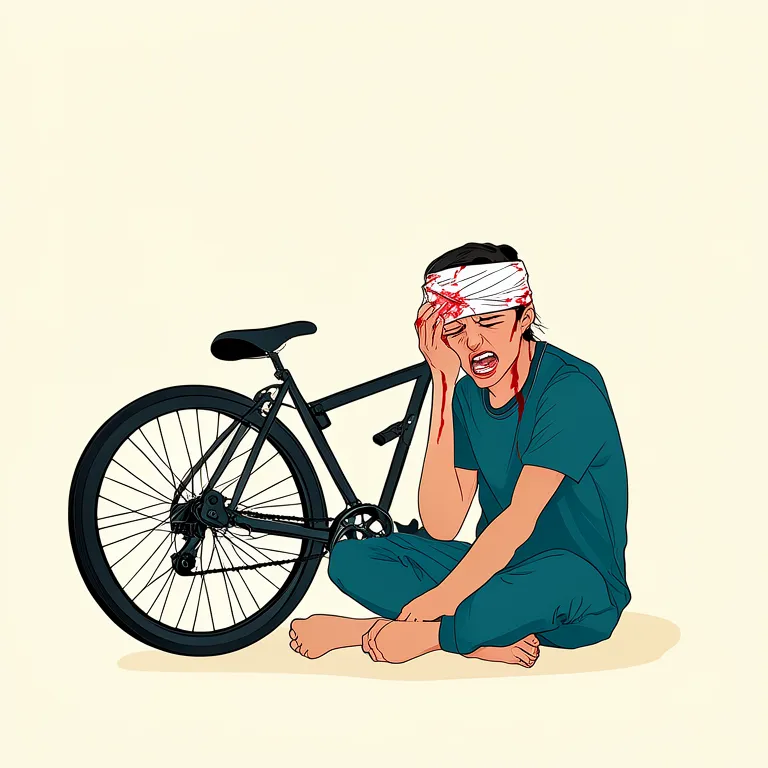
povređen
injured
adjectiveB1 · Lesson 12hurt in an accident or attack
U pucnjavi je povređen jedan policajac.One police officer was injured in the shooting.
Forms
nominative gender singular plural masculine povređen / povređeni povređeni feminine povređena povređene neuter povređeno povređena 
bezbednost
safety, security
nounB2 · Lesson 14Forms
feminine noun case singular plural nom bezbednost bezbednosti gen bezbednosti bezbednosti dat bezbednosti bezbednostima acc bezbednost bezbednosti voc bezbednosti bezbednosti ins bezbednošću / bezbednosti bezbednostima loc bezbednosti bezbednostima 
krvariti
to bleed
verbB2 · Lesson 17Forms
infinitive: krvariti · present tense person singular plural 1. krvarim krvarimo 2. krvariš krvarite 3. krvari krvare 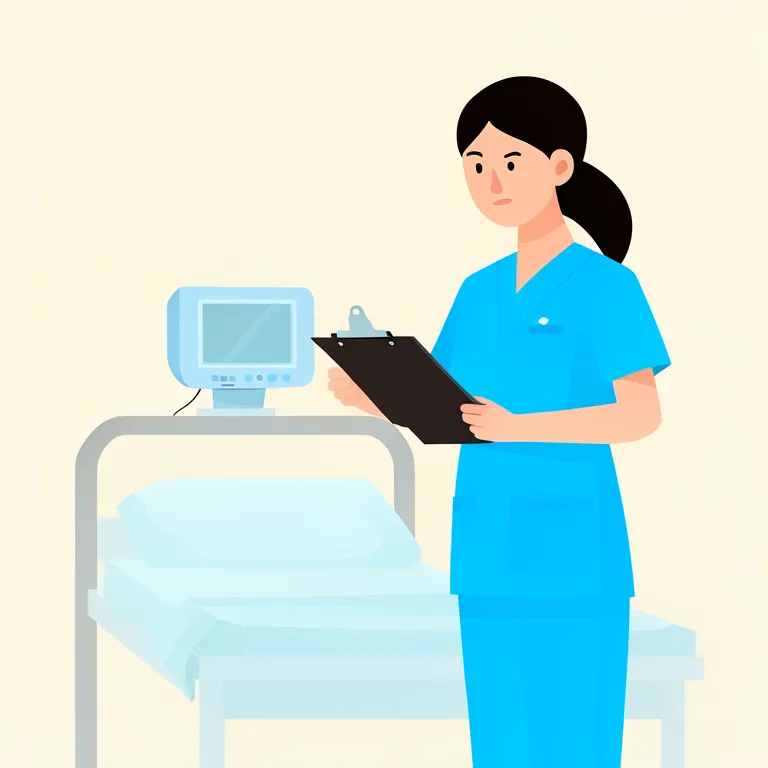
medicinska sestra
nurse
nounB2 · Lesson 17Moje drugarice rade kao medicinske sestre.My friends (women) work as nurses.
Forms
feminine noun case singular plural nom medicinska sestra medicinske sestre gen medicinske sestre medicinskih sestara dat medicinskoj sestri medicinskim sestrama acc medicinsku sestru medicinske sestre voc medicinska sestro medicinske sestre ins medicinskom sestrom medicinskim sestrama loc medicinskoj sestri medicinskim sestrama 
hitna pomoć
ambulance; emergency medical service
nounB1 · Lesson 18both the service you call and the vehicle that comes
Forms
feminine noun case singular plural nom hitna pomoć — gen hitne pomoći — dat hitnoj pomoći — acc hitnu pomoć — voc hitna pomoći — ins hitnom pomoću — loc hitnoj pomoći — 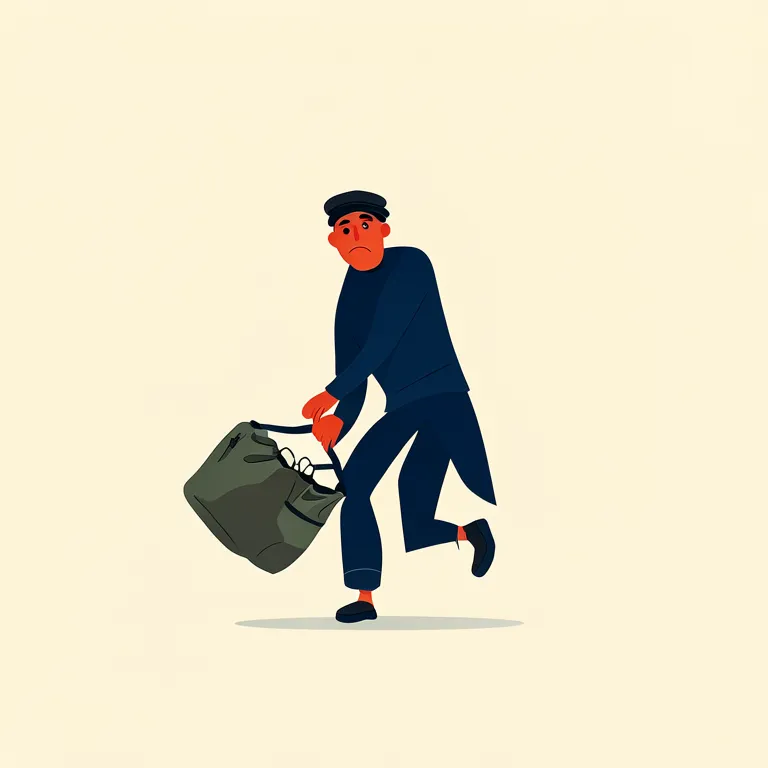
ukrasti
to steal
verbA2 · Lesson 20Perfective; past tense ukrao, ukrala.
Neko mi je ukrao novčanik iz džepa.Someone stole my wallet from my pocket.
Forms
infinitive: ukrasti · present tense person singular plural 1. ukradem ukrademo 2. ukradeš ukradete 3. ukrade ukradu 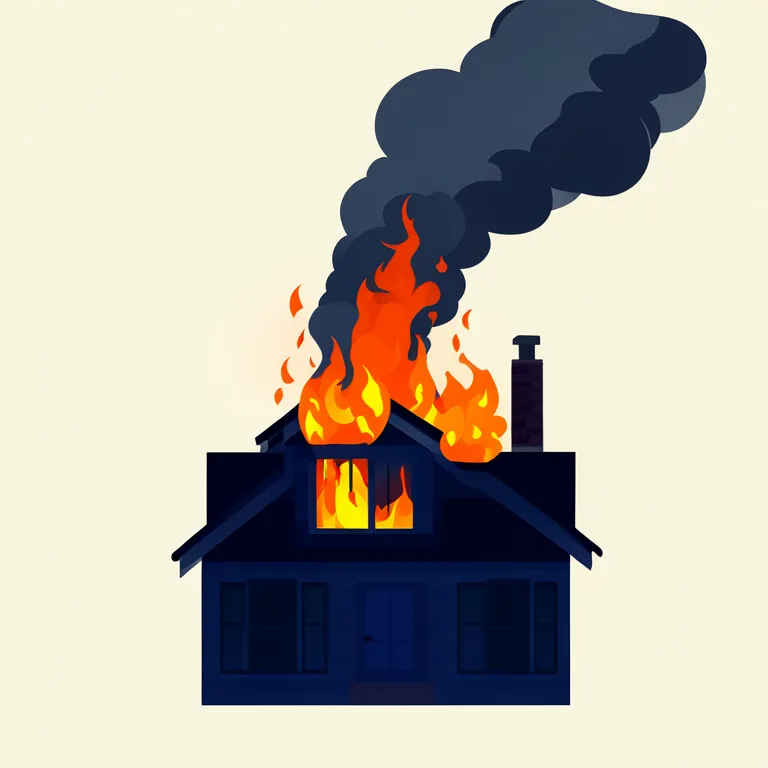
goreti
to burn, to be on fire
verbB2 · Lesson 21intransitive — the thing itself is burning: kuća gori
Forms
infinitive: goreti · present tense person singular plural 1. gorim gorimo 2. goriš gorite 3. gori gore 
plašiti
to frighten; (with se) to be afraid
verbA1 · Lesson 21With se it means to be afraid; without se it means to frighten somebody else. I-class present.
Deca se plaše.The children are afraid.
Forms
infinitive: plašiti · present tense person singular plural 1. plašim plašimo 2. plašiš plašite 3. plaši plaše 
vikati
to shout
verbA2 · Lesson 21Present: vičem, vičeš, viču.
Nemoj vikati na decu.Don't shout at the children. (to a friend)
Forms
infinitive: vikati · present tense person singular plural 1. vičem vičemo 2. vičeš vičete 3. viče viču 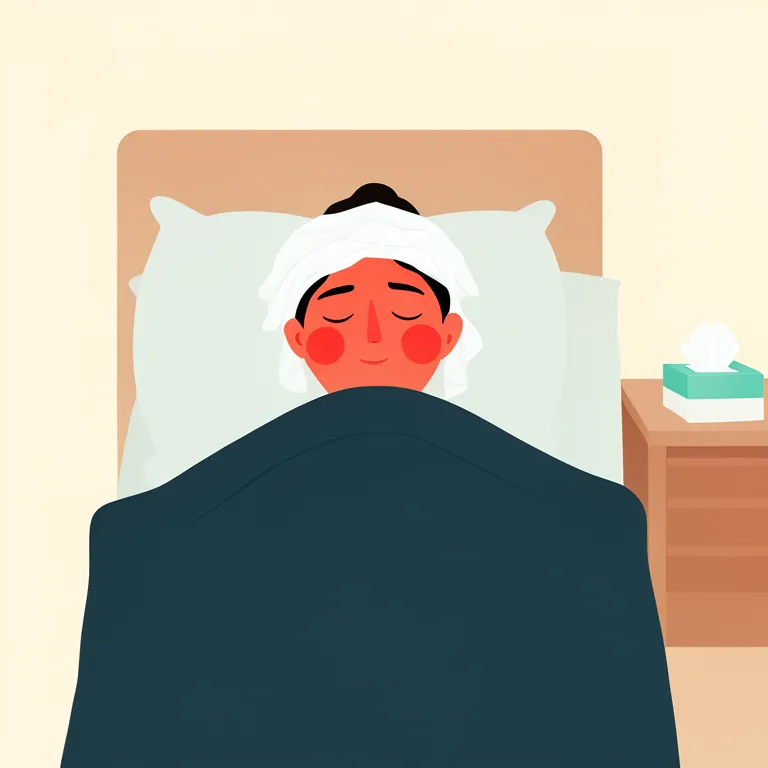
bolestan
sick, ill
adjectiveA1 · Lesson 22Feminine bolesna, neuter bolesno.
Brat mi je bolestan.My brother is ill.
Forms
nominative gender singular plural masculine bolesni / bolestan bolesni feminine bolesna bolesne neuter bolesno bolesna 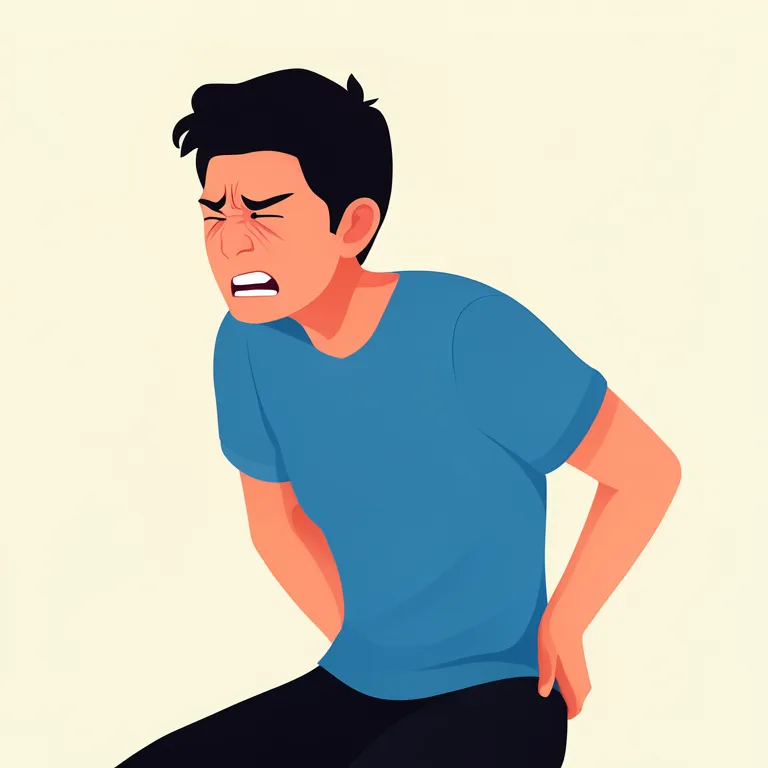
boleti
to hurt, to ache
verbA1 · Lesson 22The body part is the subject and the person is in the accusative, so the verb usually appears in the third person.
Šta te boli?What hurts?
Forms
infinitive: boleti · present tense person singular plural 1. bolim bolimo 2. boliš bolite 3. boli bole 
lek
medicine
nounA1 · Lesson 22Any remedy or drug, not the field of medicine.
Poslao me po lek.He sent me for the medicine.
Forms
masculine noun case singular plural nom lek lekovi gen leka lekova dat leku lekovima acc lek lekove voc leku lekovi ins lekom lekovima loc leku lekovima 
hitan
urgent
adjectiveA2 · Lesson 27Zvaću hitnu pomoć ako ti je muka.I'll call the ambulance if you feel nauseous.
Forms
nominative gender singular plural masculine hitan / hitni hitni feminine hitna hitne neuter hitno hitna 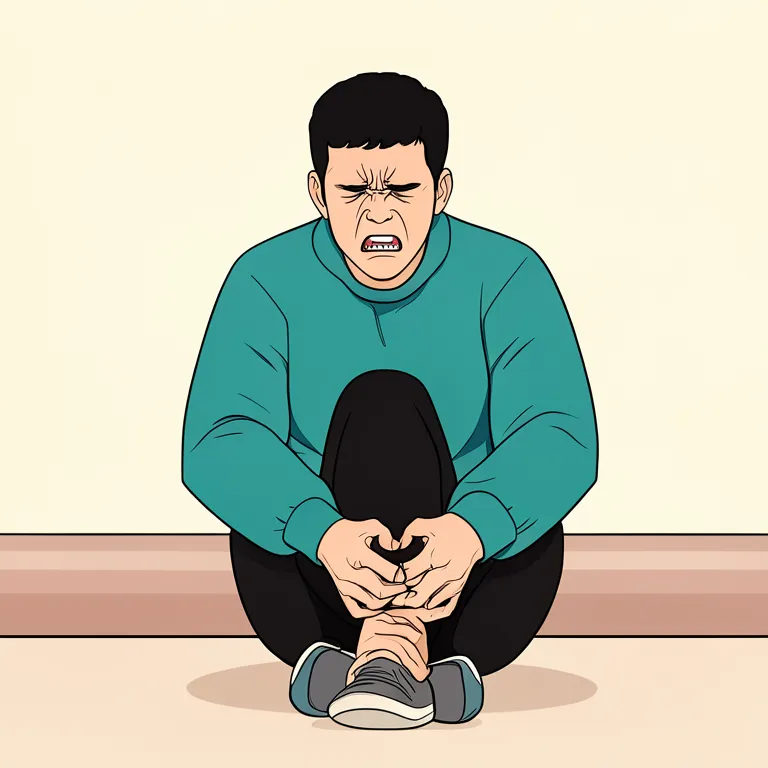
povrediti
to injure, to hurt
verbA2 · Lesson 27Perfective. With se: to injure oneself.
Ako povrediš koleno, stavi zavoj i nemoj hodati.If you injure your knee, put a bandage on and don't walk.
Forms
infinitive: povrediti · present tense person singular plural 1. povredim povredimo 2. povrediš povredite 3. povredi povrede 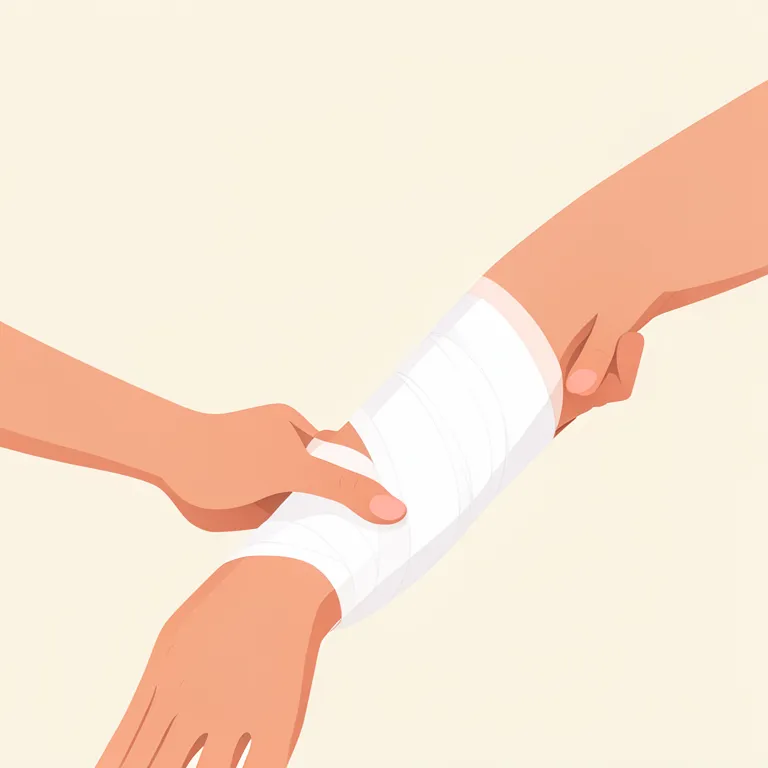
zavoj
bandage
nounA2 · Lesson 27Ako povrediš koleno, stavi zavoj i nemoj hodati.If you injure your knee, put a bandage on and don't walk.
Forms
masculine noun case singular plural nom zavoj zavoji gen zavoja zavoja dat zavoju zavojima acc zavoj zavoje voc zavoju zavoji ins zavojem zavojima loc zavoju zavojima 
napasti
to attack
verbB1 · Lesson 29perfective
Forms
infinitive: napasti · present tense person singular plural 1. napadnem napadnemo 2. napadneš napadnete 3. napadne napadnu 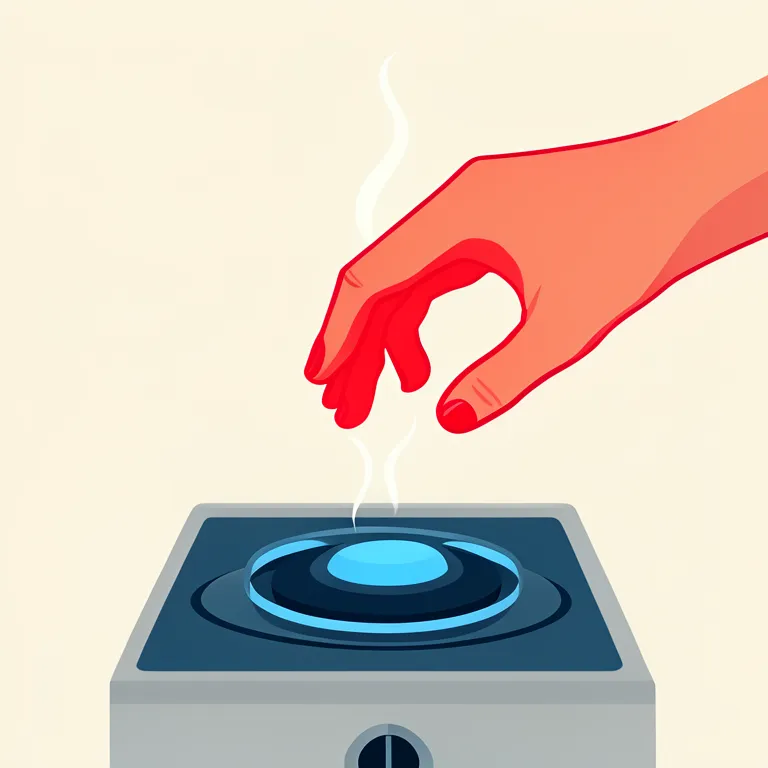
opeći
to burn, to scald
verbB2 · Lesson 29perfective; with se: to burn oneself
Forms
infinitive: opeći · present tense person singular plural 1. opečem opečemo 2. opečeš opečete 3. opeče opeku 
sudar
collision, crash
nounB2 · Lesson 29Forms
masculine noun case singular plural nom sudar sudari gen sudara sudara dat sudaru sudarima acc sudar sudare voc sudare sudari ins sudarom sudarima loc sudaru sudarima 
osiguranje
insurance
nounB2 · Lesson 30Forms
neuter noun case singular plural nom osiguranje osiguranja gen osiguranja osiguranja dat osiguranju osiguranjima acc osiguranje osiguranja voc osiguranje osiguranja ins osiguranjem osiguranjima loc osiguranju osiguranjima 
vatra
fire
nounB1 · Lesson 30fire as such — flames, a campfire
Izviđači, skupite se oko vatre!Scouts, gather round the fire!
Forms
feminine noun case singular plural nom vatra vatre gen vatre vatra dat vatri vatrama acc vatru vatre voc vatro vatre ins vatrom vatrama loc vatri vatrama 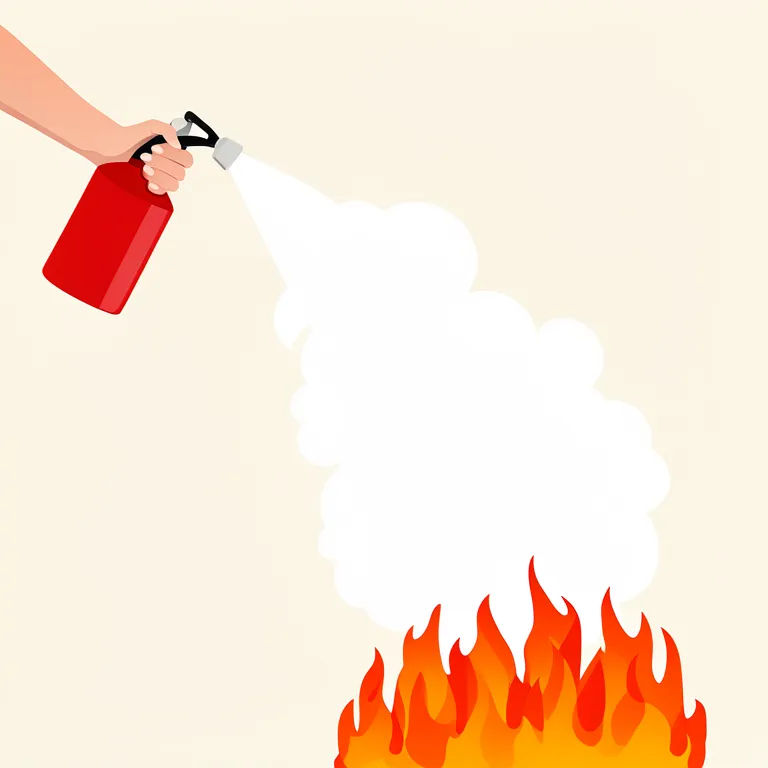
gasiti
to put out, to extinguish
verbB2 · Lesson 31a fire
Forms
infinitive: gasiti · present tense person singular plural 1. gasim gasimo 2. gasiš gasite 3. gasi gase 
pištolj
pistol, handgun
nounB2 · Lesson 31Forms
masculine noun case singular plural nom pištolj pištolji gen pištolja pištolja dat pištolju pištoljima acc pištolj pištolje voc pištolju pištolji ins pištoljom / pištoljem pištoljima loc pištolju pištoljima 
pljačka
robbery
nounB2 · Lesson 31Forms
feminine noun case singular plural nom pljačka pljačke gen pljačke pljački / pljačka dat pljačci / pljački pljačkama acc pljačku pljačke voc pljačko pljačke ins pljačkom pljačkama loc pljačci / pljački pljačkama 
izgubljen
lost
adjectiveA2 · Lesson 32Nekad ću naći taj izgubljeni prsten.Someday I will find that lost ring.
Forms
nominative gender singular plural masculine izgubljen / izgubljeni izgubljeni feminine izgubljena izgubljene neuter izgubljeno izgubljena 
krađa
theft
nounA2 · Lesson 32Koga su optužili za krađu?Who did they accuse of the theft?
Forms
feminine noun case singular plural nom krađa krađe gen krađe krađa dat krađi krađama acc krađu krađe voc krađo krađe ins krađom krađama loc krađi krađama 
lopov
thief
nounA2 · Lesson 32Lopov nije uhapšen.The thief has not been arrested.
Forms
masculine noun case singular plural nom lopov lopovi gen lopova lopova dat lopovu lopovima acc lopova lopove voc lopove lopovi ins lopovom lopovima loc lopovu lopovima 
nesreća
accident; misfortune
nounA2 · Lesson 32Zbog nesreće je zatvoren autoput.Because of the accident, the motorway has been closed.
Forms
feminine noun case singular plural nom nesreća nesreće gen nesreće nesreća dat nesreći nesrećama acc nesreću nesreće voc nesrećo nesreće ins nesrećom nesrećama loc nesreći nesrećama 
prijaviti
to register, to report; to apply (se, for a job or opening)
verbA2 · Lesson 32With se it means to apply or sign up: prijaviti se na konkurs.
Prijavila sam se na konkurs da dobijem stipendiju.I applied to the competition to get a scholarship. (woman speaking)
Forms
infinitive: prijaviti · present tense person singular plural 1. prijavim prijavimo 2. prijaviš prijavite 3. prijavi prijave 
svedok
witness
nounA2 · Lesson 32Tužilaštvu svedok nije rekao ništa.The witness told the prosecutor's office nothing.
Forms
masculine noun case singular plural nom svedok svedoci gen svedoka svedoka dat svedoku svedocima acc svedoka svedoke voc svedoče svedoci ins svedokom svedocima loc svedoku svedocima 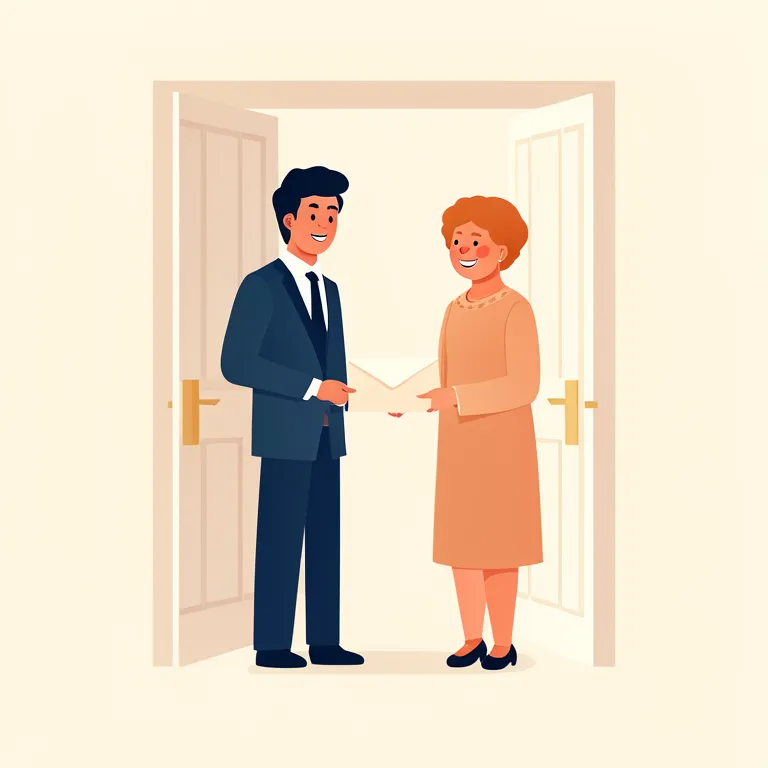
pozvati
to invite; to call
verbA1 · Lesson 33Also 'to call' someone on the phone.
Kad voz dođe, pozvaću te.When the train comes, I'll call you.
Forms
infinitive: pozvati · present tense person singular plural 1. pozovem pozovemo 2. pozoveš pozovete 3. pozove pozovu 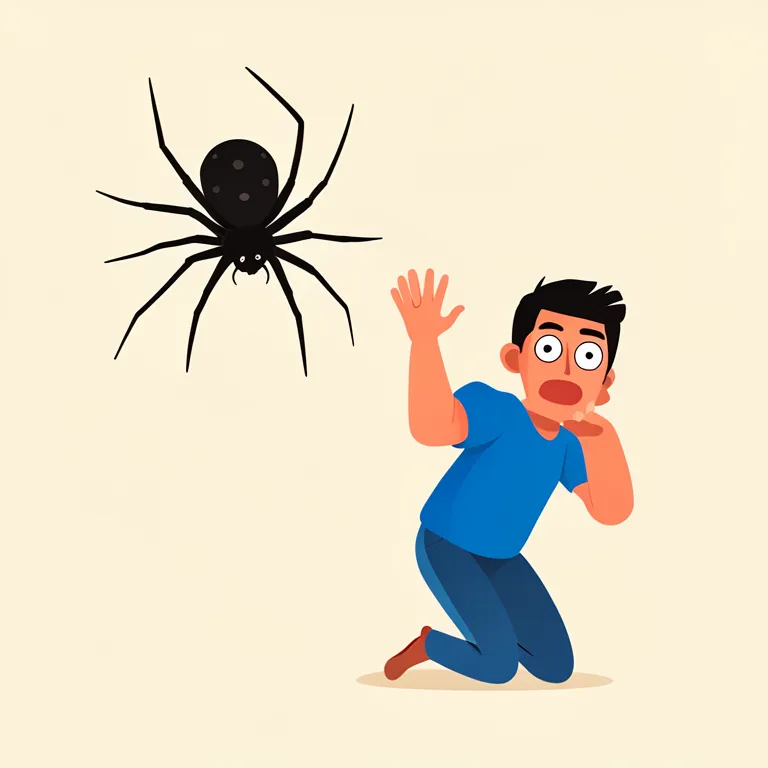
bojati
to be afraid
verbA1 · Lesson 34Always with se — bojati se. What you are afraid of stands in the genitive.
Bojim se mraka.I'm afraid of the dark.
Forms
infinitive: bojati · present tense person singular plural 1. bojim / bojam bojimo / bojamo 2. bojiš / bojaš bojate / bojite 3. boja / boji boje / bojaju 
pomoć
help
nounA1 · Lesson 34Feminine, although it ends in a consonant.
Hvala, zahvalna sam ti na pomoći.Thank you, I am grateful to you for your help. (woman speaking)
Forms
feminine noun case singular plural nom pomoć pomoći gen pomoći pomoći dat pomoći pomoćima acc pomoć pomoći voc pomoći pomoći ins pomoći / pomoću pomoćima loc pomoći pomoćima 
pomoći
to help
verbA1 · Lesson 34The person you help stands in the dative: pomoći nekome.
Možeš li mi pomoći?Can you help me?
Forms
infinitive: pomoći · present tense person singular plural 1. pomognem pomognemo 2. pomogneš pomognete 3. pomogne pomognu 
izgubiti
to lose
verbA1 · Lesson 35With the clitic se it means to get lost.
Izgubila sam prijateljevu knjigu.I lost my friend's book (woman speaking).
Forms
infinitive: izgubiti · present tense person singular plural 1. izgubim izgubimo 2. izgubiš izgubite 3. izgubi izgube 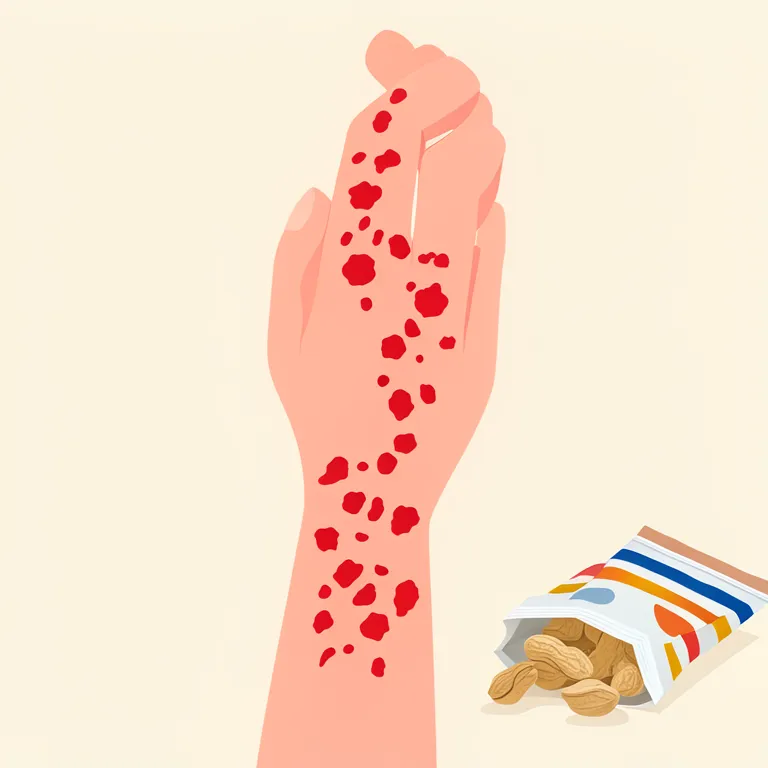
alergija
allergy
nounA2 · Lesson 36alergija na + accusative: an allergy to something.
Forms
feminine noun case singular plural nom alergija alergije gen alergije alergija dat alergiji alergijama acc alergiju alergije voc alergijo alergije ins alergijom alergijama loc alergiji alergijama 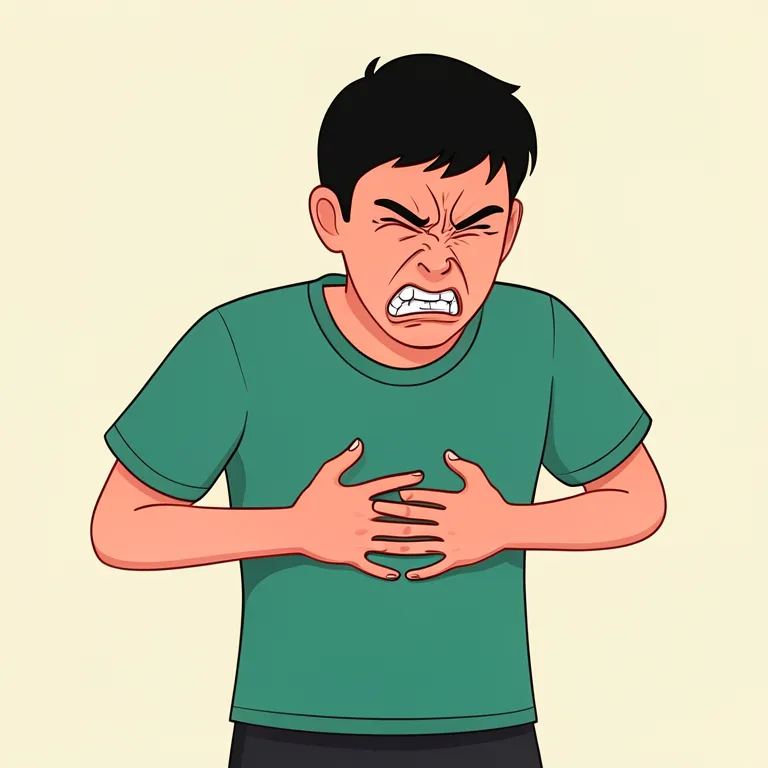
bol
pain, ache
nounA2 · Lesson 36Masculine; plural bolovi, genitive plural bolova. A painkiller is a medicine 'against pains'.
Forms
masculine noun case singular plural nom bol bolovi / boli gen boli / bola bolova / boli dat bolu / boli bolovima / bolima acc bol bolove / boli voc boli / bole bolovi / boli ins bolju / bolom bolovima / bolima loc bolu / boli bolima / bolovima 
disati
to breathe
verbA2 · Lesson 36Present dišem, dišeš, diše — the stem changes from -s- to -š-.
Bole me pluća kad duboko dišem.My lungs hurt when I breathe deeply.
Forms
infinitive: disati · present tense person singular plural 1. dišem dišemo 2. dišeš dišete 3. diše dišu 
upozoriti
to warn
verbB1 · Lesson 40Perfective.
Forms
infinitive: upozoriti · present tense person singular plural 1. upozorim upozorimo 2. upozoriš upozorite 3. upozori upozore 
panika
panic
nounB1 · Lesson 41Forms
feminine noun case singular plural nom panika panike gen panike panika dat panici panikama acc paniku panike voc paniko panike ins panikom panikama loc panici panikama 
uplašen
frightened, scared
adjectiveB1 · Lesson 41Forms
nominative gender singular plural masculine uplašeni / uplašen uplašeni feminine uplašena uplašene neuter uplašeno uplašena 
opasnost
danger
nounA2 · Lesson 42Feminine of the i-declension, so it keeps -i in the accusative plural.
Forms
feminine noun case singular plural nom opasnost opasnosti gen opasnosti opasnosti dat opasnosti opasnostima acc opasnost opasnosti voc opasnosti opasnosti ins opasnosti / opasnošću opasnostima loc opasnosti opasnostima 
upozorenje
warning
nounA2 · Lesson 42Neuter, so the plural is upozorenja.
Forms
neuter noun case singular plural nom upozorenje upozorenja gen upozorenja upozorenja dat upozorenju upozorenjima acc upozorenje upozorenja voc upozorenje upozorenja ins upozorenjem upozorenjima loc upozorenju upozorenjima 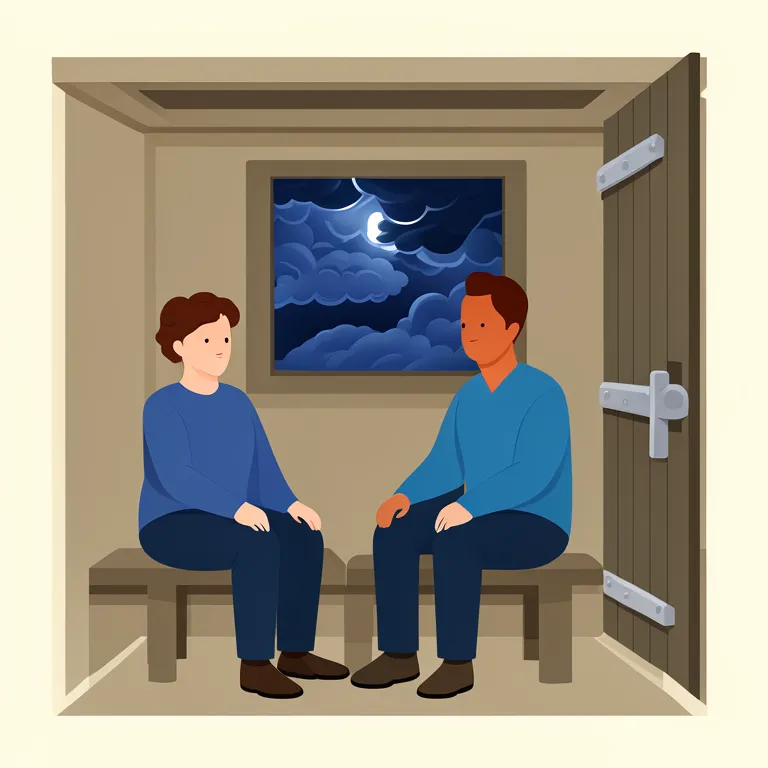
bezbedan
safe
adjectiveB1 · Lesson 43out of danger, not at risk
Da li je ovaj kraj bezbedan noću?Is this neighbourhood safe at night?
Forms
nominative gender singular plural masculine bezbedni / bezbedan bezbedni feminine bezbedna bezbedne neuter bezbedno bezbedna 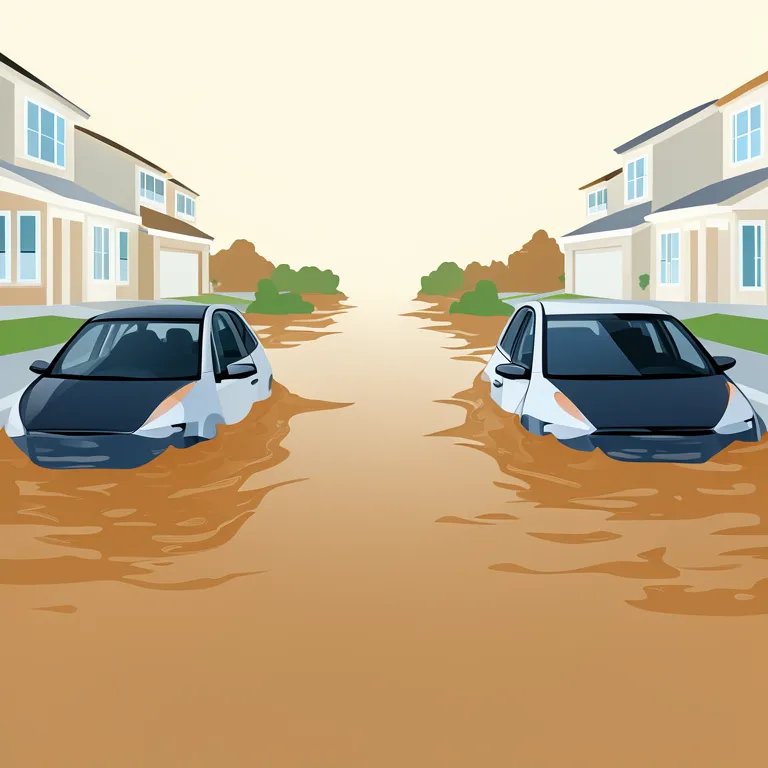
poplava
flood
nounA2 · Lesson 44Sve češće imamo poplave i velike požare.We have floods and big fires more and more often.
Forms
feminine noun case singular plural nom poplava poplave gen poplave poplava dat poplavi poplavama acc poplavu poplave voc poplavo poplave ins poplavom poplavama loc poplavi poplavama 
zemljotres
earthquake
nounB1 · Lesson 44Forms
masculine noun case singular plural nom zemljotres zemljotresi gen zemljotresa zemljotresa dat zemljotresu zemljotresima acc zemljotres zemljotrese voc zemljotrese zemljotresi ins zemljotresom zemljotresima loc zemljotresu zemljotresima 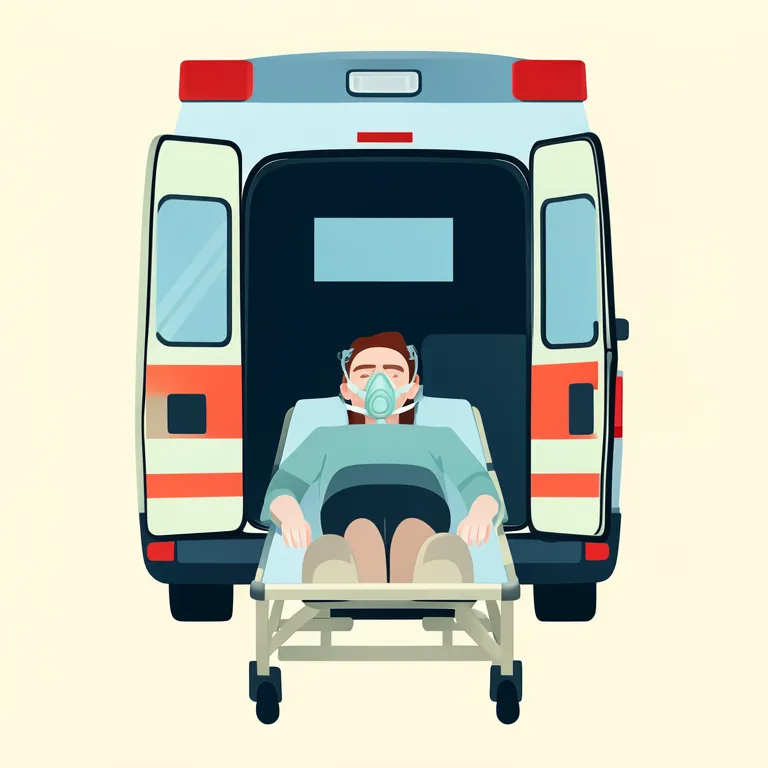
žrtva
victim
nounB1 · Lesson 44Genitive plural žrtava.
Forms
feminine noun case singular plural nom žrtva žrtve gen žrtve žrtava / žrtva dat žrtvi žrtvama acc žrtvu žrtve voc žrtvo žrtve ins žrtvom žrtvama loc žrtvi žrtvama 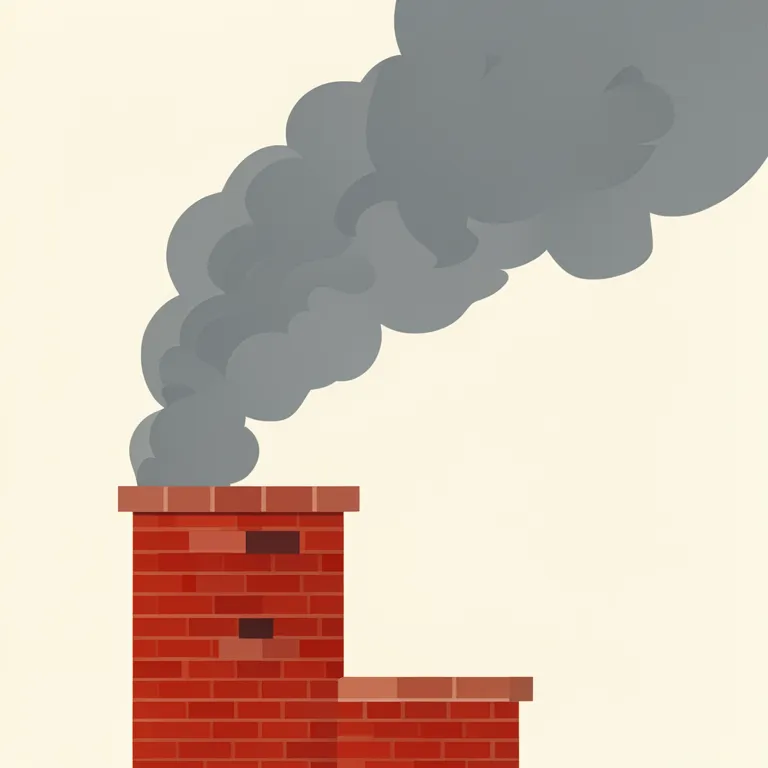
dim
smoke
nounA2 · Lesson 46Soba je bila puna dima.The room was full of smoke.
Forms
masculine noun case singular plural nom dim dimovi gen dima dimova dat dimu dimovima acc dim dimove voc dime / dimu dimovi ins dimom dimovima loc dimu dimovima 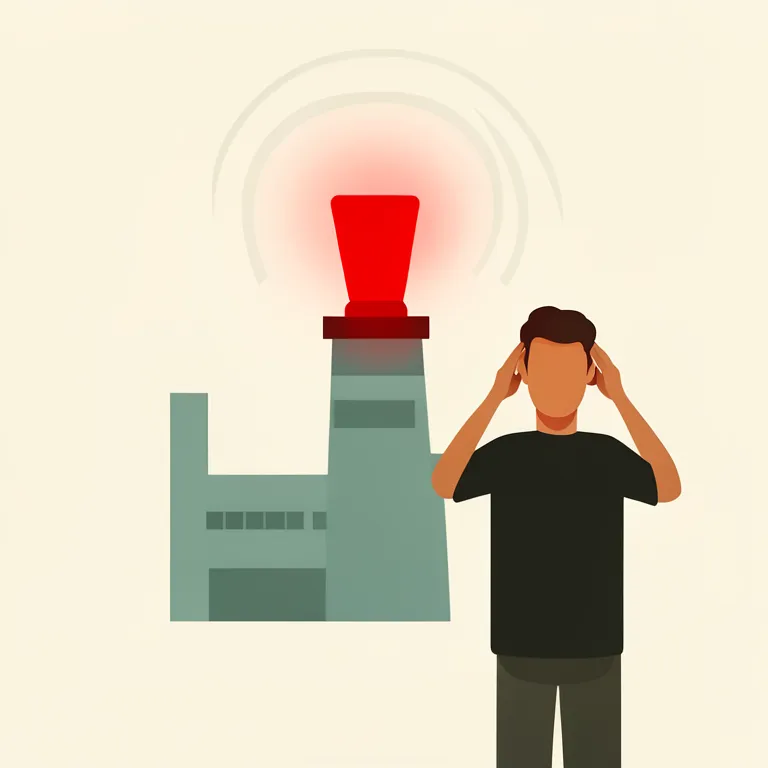
alarm
alarm
nounA2 · Lesson 47Masculine. The sound or the device; a bedside one is more often a budilnik.
Forms
masculine noun case singular plural nom alarm alarmi gen alarma alarma dat alarmu alarmima acc alarm alarme voc alarme alarmi ins alarmom alarmima loc alarmu alarmima 
gušiti
to choke
verbB1 · Lesson 48With se: to choke (oneself); without se: to smother someone.
Forms
infinitive: gušiti · present tense person singular plural 1. gušim gušimo 2. gušiš gušite 3. guši guše 
onesvestiti
to faint
verbB1 · Lesson 48Used with se in this sense; without se it means to knock someone unconscious. Perfective.
Jedna od devojaka se onesvestila od vrućine.One of the girls fainted from the heat.
Forms
infinitive: onesvestiti · present tense person singular plural 1. onesvestim onesvestimo 2. onesvestiš onesvestite 3. onesvesti onesveste 
sigurnost
safety; certainty
nounB1 · Lesson 49Also 'security', the feeling of being safe.
Deci su neophodni ljubav i sigurnost.Children need love and security.
Forms
feminine noun case singular plural nom sigurnost sigurnosti gen sigurnosti sigurnosti dat sigurnosti sigurnostima acc sigurnost sigurnosti voc sigurnosti sigurnosti ins sigurnosti / sigurnošću sigurnostima loc sigurnosti sigurnostima 
hitno
urgently, right away
adverbA2 · Lesson 50Forms
comparative hitnije superlative najhitnije
More words of the topic
Not introduced in a lesson yet. In the app you add them from the topic and learn them the same way as the rest.

eksplozija
explosion
nounForms
feminine noun case singular plural nom eksplozija eksplozije gen eksplozije eksplozija dat eksploziji eksplozijama acc eksploziju eksplozije voc eksplozijo eksplozije ins eksplozijom eksplozijama loc eksploziji eksplozijama 
evakuacija
evacuation
nounForms
feminine noun case singular plural nom evakuacija evakuacije gen evakuacije evakuacija dat evakuaciji evakuacijama acc evakuaciju evakuacije voc evakuacijo evakuacije ins evakuacijom evakuacijama loc evakuaciji evakuacijama 
hitan slučaj
emergency
nounForms
masculine noun case singular plural nom hitan slučaj — gen hitna slučaja — dat hitnu slučaju — acc hitan slučaj — voc hitan slučaju — ins hitnim slučajem — loc hitnu slučaju — 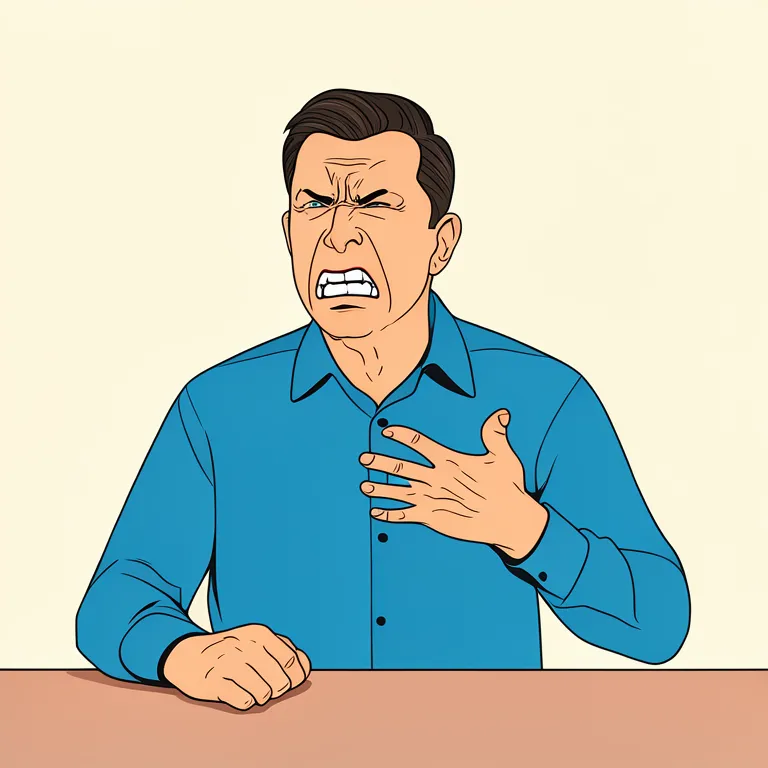
infarkt
heart attack
nounForms
masculine noun case singular plural nom infarkt infarkti gen infarkta infarkta dat infarktu infarktima acc infarkt infarkte voc infarkte infarkti ins infarktom infarktima loc infarktu infarktima 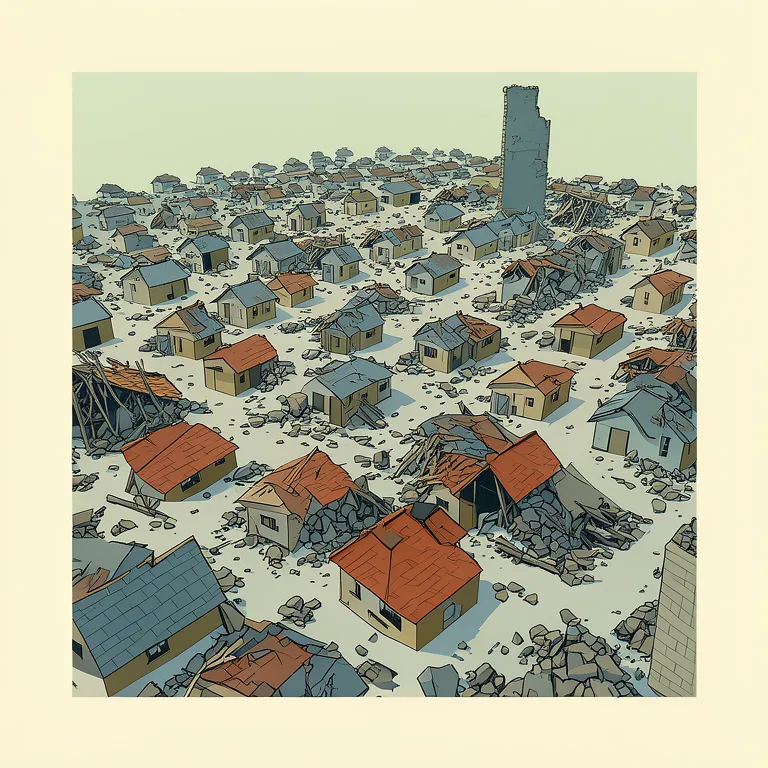
katastrofa
disaster, catastrophe
nounForms
feminine noun case singular plural nom katastrofa katastrofe gen katastrofe katastrofa dat katastrofi katastrofama acc katastrofu katastrofe voc katastrofo katastrofe ins katastrofom katastrofama loc katastrofi katastrofama 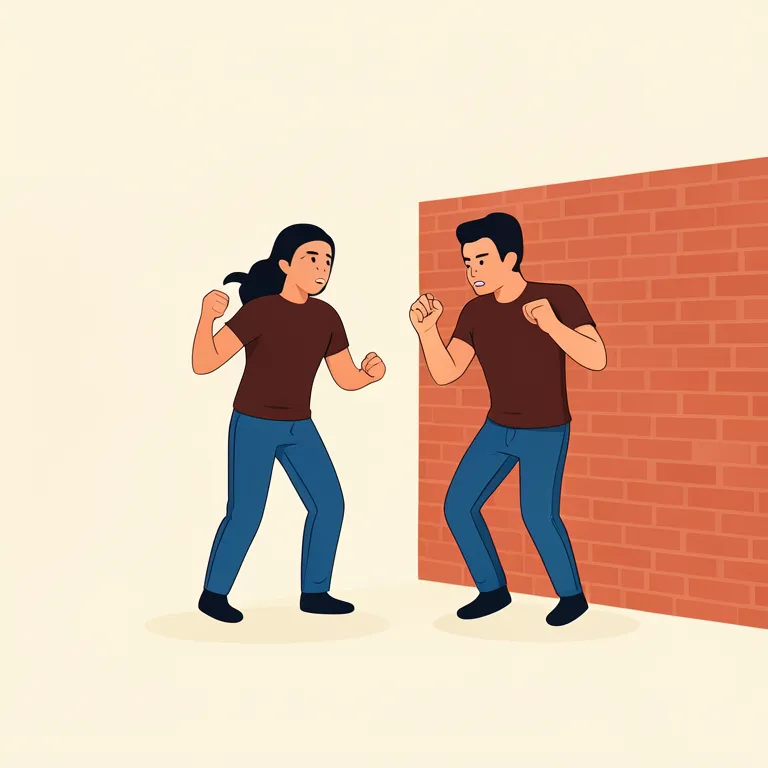
napad
attack
nounan assault, and also a medical attack or fit
Forms
masculine noun case singular plural nom napad napadi gen napada napada dat napadu napadima acc napad napade voc napade napadi ins napadom napadima loc napadu napadima 
nasilje
violence
nounForms
neuter noun case singular plural nom nasilje nasilja gen nasilja nasilja dat nasilju nasiljima acc nasilje nasilja voc nasilje nasilja ins nasiljem nasiljima loc nasilju nasiljima 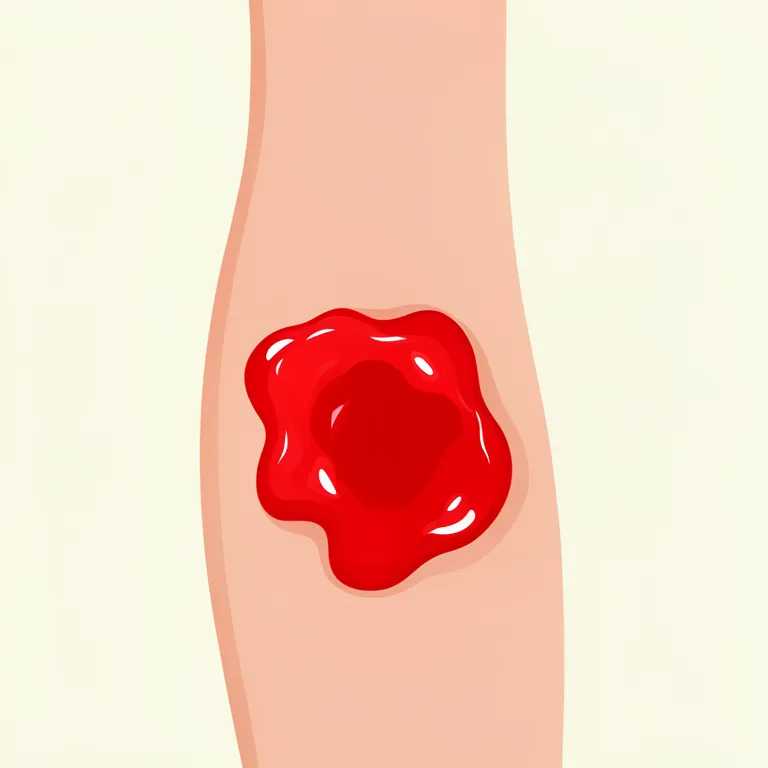
opekotina
burn
nounthe injury, not the act of burning
Forms
feminine noun case singular plural nom opekotina opekotine gen opekotine opekotina dat opekotini opekotinama acc opekotinu opekotine voc opekotino opekotine ins opekotinom opekotinama loc opekotini opekotinama 
oružje
weapon, weapons
nounmass noun — arms in general as well as one weapon
Forms
neuter noun case singular plural nom oružje oružja gen oružja oružja dat oružju oružjima acc oružje oružja voc oružje oružja ins oružjem oružjima loc oružju oružjima 
otrov
poison
nounForms
masculine noun case singular plural nom otrov otrovi gen otrova otrova dat otrovu otrovima acc otrov otrove voc otrove otrovi ins otrovom otrovima loc otrovu otrovima 
policijska stanica
police station
nounForms
feminine noun case singular plural nom policijska stanica — gen policijske stanice — dat policijskoj stanici — acc policijsku stanicu — voc policijska stanice — ins policijskom stanicom — loc policijskoj stanici — 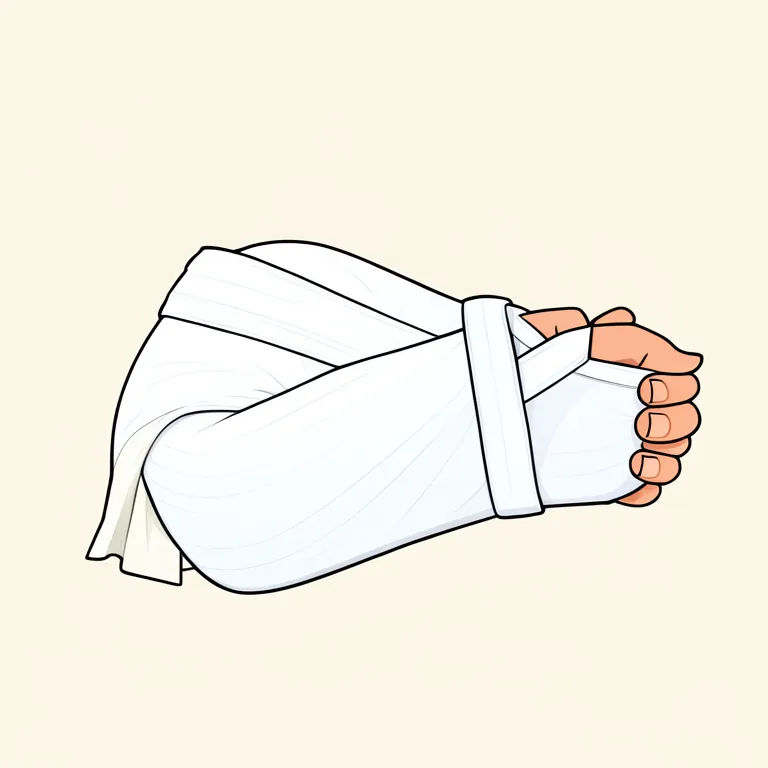
prelom
fracture, break
nounof a bone
Forms
masculine noun case singular plural nom prelom prelomi gen preloma preloma dat prelomu prelomima acc prelom prelome voc prelome prelomi ins prelomom prelomima loc prelomu prelomima 
prva pomoć
first aid
nounForms
feminine noun case singular plural nom prva pomoć — gen prve pomoći — dat prvoj pomoći — acc prvu pomoć — voc prva pomoći — ins prvom pomoću — loc prvoj pomoći — 
sirena
siren
nounForms
feminine noun case singular plural nom sirena sirene gen sirene sirena dat sireni sirenama acc sirenu sirene voc sireno sirene ins sirenom sirenama loc sireni sirenama 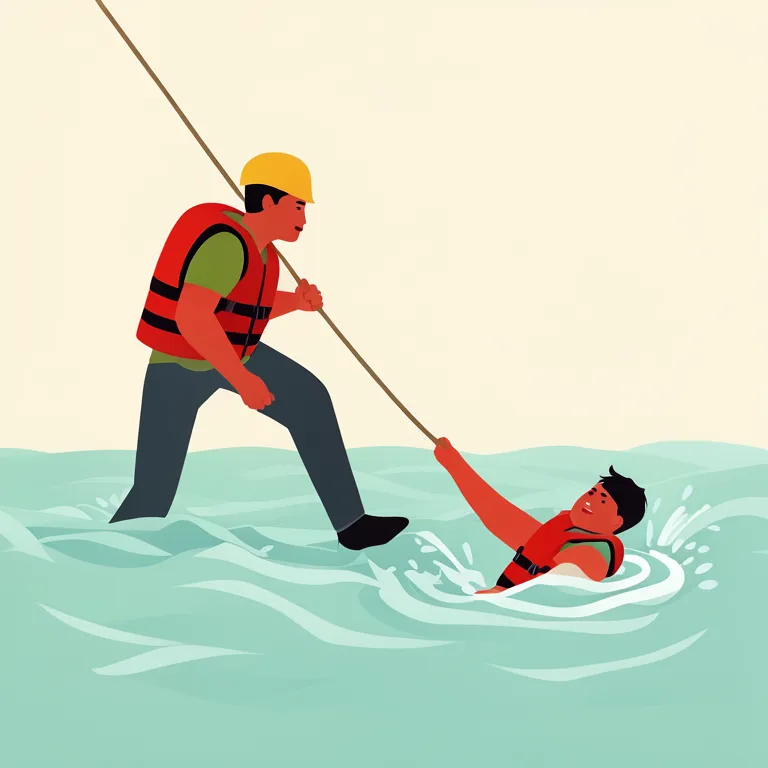
spasavati
to save, to rescue
verbthe imperfective — rescuing as an ongoing effort
Forms
infinitive: spasavati · present tense person singular plural 1. spasavam spasavamo 2. spasavaš spasavate 3. spasava spasavaju 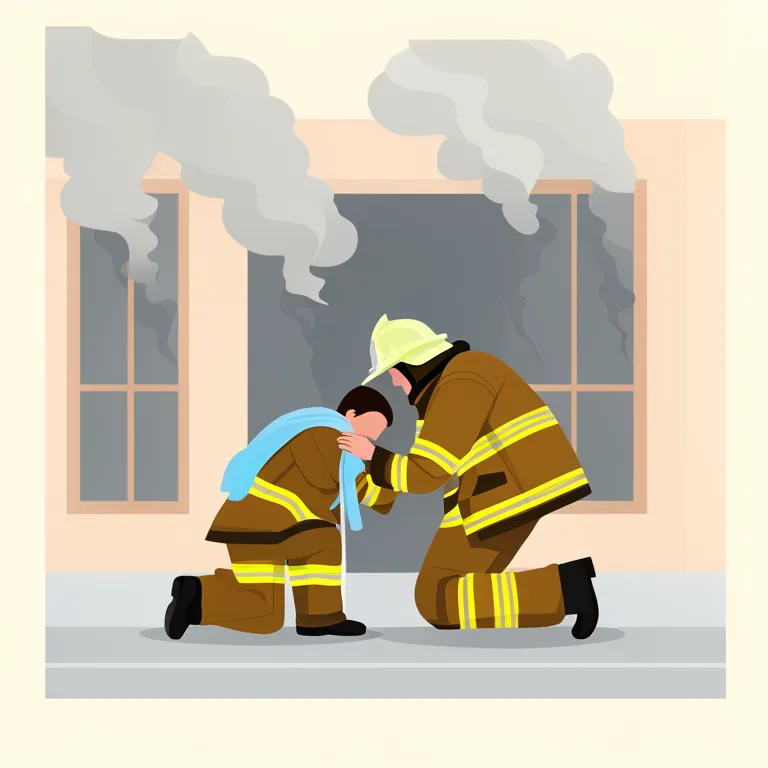
spasiti
to save, to rescue
verbthe perfective — getting someone out of danger, done
Forms
infinitive: spasiti · present tense person singular plural 1. spasim spasimo 2. spasiš spasite 3. spasi spase 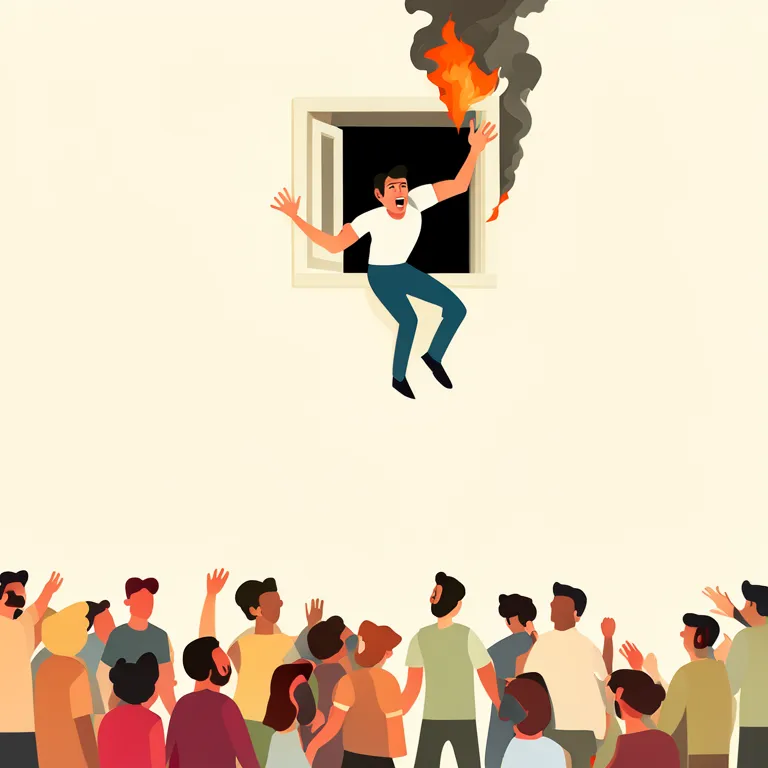
upomoć
help!
interjectionthe shout for help, not the noun

utopiti
to drown someone
verbwith se: to drown, to go under
Forms
infinitive: utopiti · present tense person singular plural 1. utopim utopimo 2. utopiš utopite 3. utopi utope 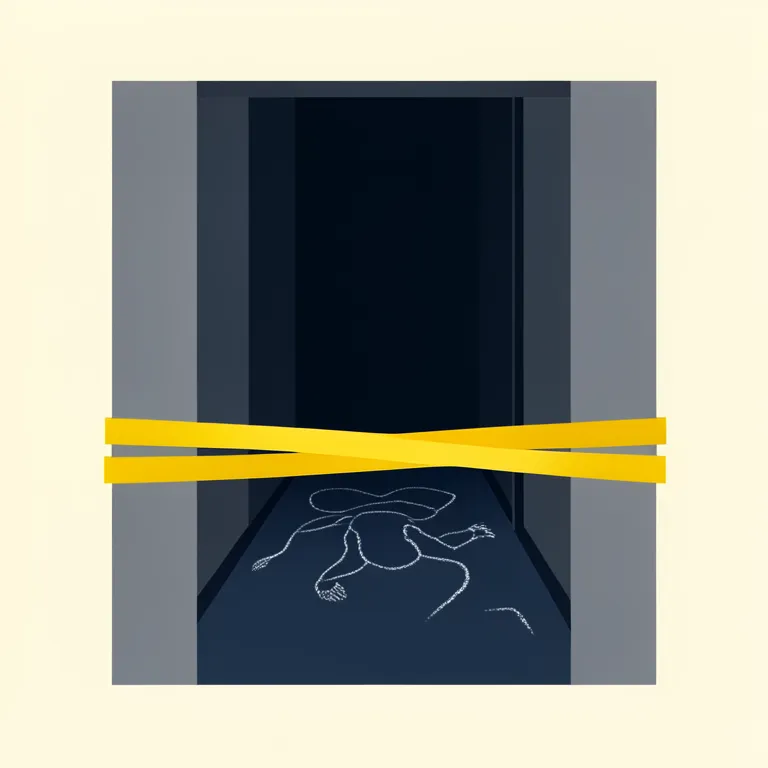
zločin
crime
nounForms
masculine noun case singular plural nom zločin zločini gen zločina zločina dat zločinu zločinima acc zločin zločine voc zločine zločini ins zločinom zločinima loc zločinu zločinima
Sentences
Write it in Serbian
Can you help me?
Informal ti, and the infinitive instead of da plus the present.
The sentence step, up close
The checking is smart. The standard is not.
A sentence from the course with a word from this topic. Type it, check it, then tap a marked word: the card behind it is the one above.
- 1
Every valid answer is accepted.
Word order, synonyms, a dropped pronoun: each sentence carries all of its accepted forms. This one takes 9.
- 2
Typos are forgiven, and flagged.
A slipped letter still counts as correct. A wrong ending never does; that is where the grammar lives.
- 3
Every miss lowers something specific.
A wrong form halves the level of that word or that rule, not of the whole sentence. Your weak spots come back sooner.
Your first 10 lessons are free, in any course. No card needed.
In the app
Add any of these words to what you are learning
- 1
Open the topic in the app's library: the same words, each with your own level on it.
- 2
Tap a word. The same card as here, with your level and the option to learn it.
- 3
Add it. It comes up in a session with its own tasks, then in repetition until it sticks.
More from the course
The grammar cards, the sample lesson, the glossary of terms and plain answers about the language.
The course →
Levels and lessons as published today, and one real lesson per level to walk through step by step.
Grammar →
Every rule the course teaches, in the order it is taught.
Guide →
Plain answers about the language: how hard it is, what to learn first, where your own language helps and where it misleads.
Grammar glossary →
The terms the grammar pages use, explained in plain English.
Start with one sentence.
Type it, get it wrong, understand why. That is the whole method.
Your first 10 lessons are free, in any course. No card needed.
Download on theApp StoreComing soon