107 words · A1 · A2 · Lesson 1–49
Directions and places
Finding your way: left and right, near and far, compass points, crossroads and corners, landmarks to steer by, and the words for asking and giving directions.
- 107 words, each with a picture and a voice
- The forms table of every word, the one the app shows
- Each card names the lesson where the course introduces the word
Your first 10 lessons are free, in any course. No card needed.
Vocabulary by topic
The words
In the order the course introduces them. Open a card for the full forms table; the lesson link takes you to that level.

ovde
here
adverbA1 · Lesson 1Nije ovde.He is not here.
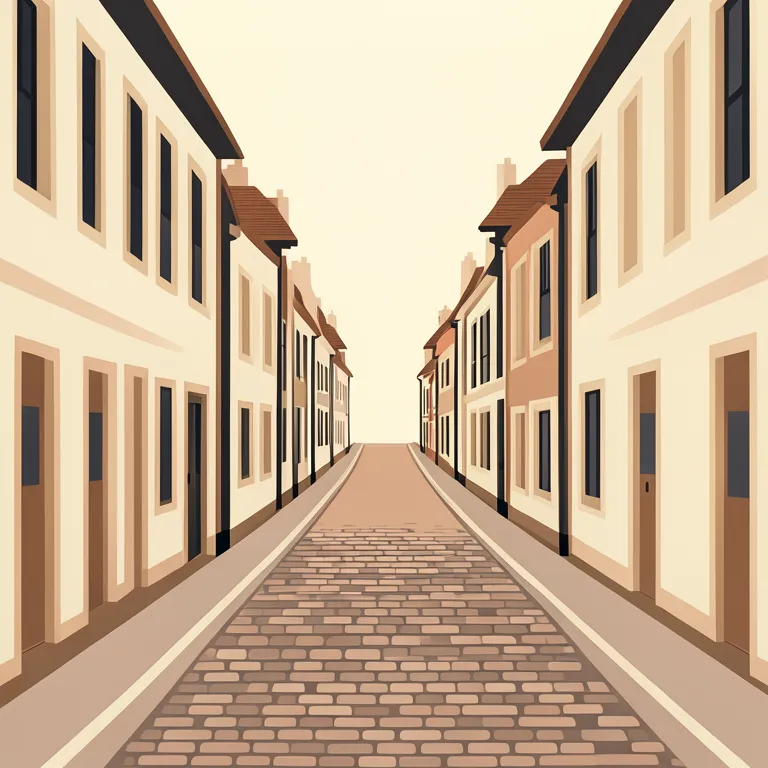
ulica
street
nounA1 · Lesson 1Pređite ulicu kod semafora.Cross the street at the traffic lights.
Forms
feminine noun case singular plural nom ulica ulice gen ulice ulica dat ulici ulicama acc ulicu ulice voc ulice ulice ins ulicom ulicama loc ulici ulicama 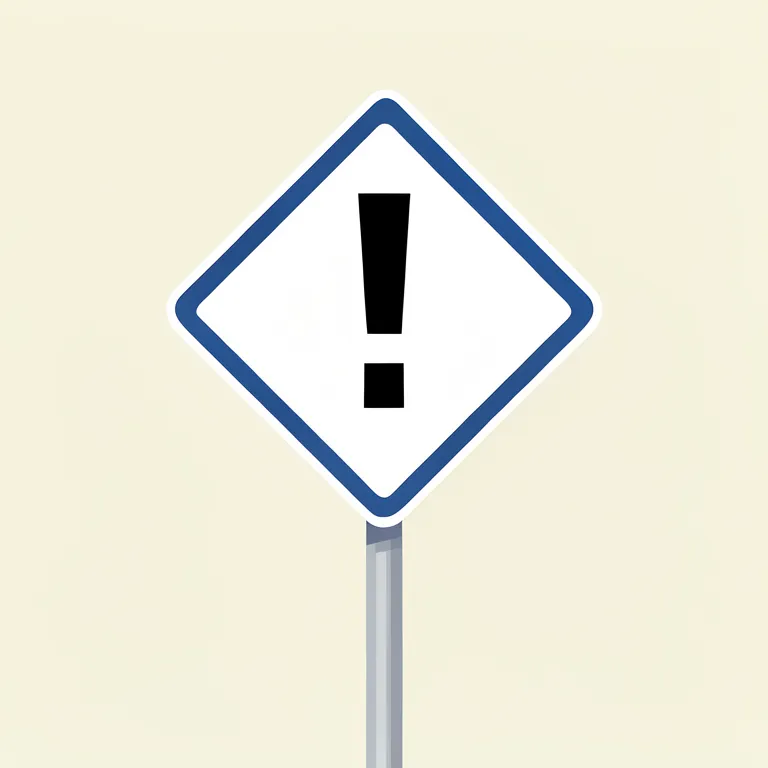
znak
sign; character
nounA1 · Lesson 1a sign or mark you read — a road sign, a signal; also a written character
Gledaj taj znak.Look at that sign. (to a friend)
Forms
masculine noun case singular plural nom znak znaci / znakovi gen znaka znakova / znaka dat znaku znakovima / znacima acc znak znakove / znake voc znače znaci / znakovi ins znakom znakima / znakovima loc znaku znakovima / znacima 
blizu
near, close to
prepositionA1 · Lesson 2Škola je blizu parka.The school is near the park.

centar
centre
nounA1 · Lesson 2Autobus ide u centar.The bus goes to the centre.
Forms
masculine noun case singular plural nom centar centri gen centra centara dat centru centrima acc centar centre voc centre / centru centri ins centrom centrima loc centru centrima 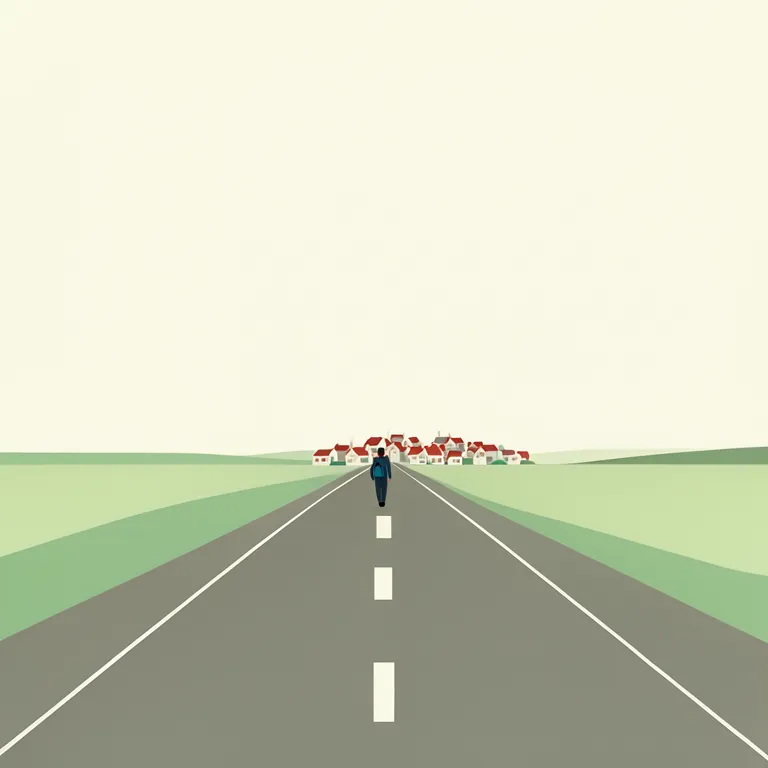
daleko
far
adverbA1 · Lesson 2Krenimo peške, nije daleko.Let's set off on foot, it isn't far.
Forms
comparative dalje superlative najdalje 
gde
where
adverbA1 · Lesson 2Gde putujete?Where are you travelling?

ići
to go
verbA1 · Lesson 2Kuda ideš?Where are you going?
Forms
infinitive: ići · present tense person singular plural 1. idem idemo 2. ideš idete 3. ide idu 
izlaz
exit
nounA1 · Lesson 2Ovde je ulaz, a tamo je izlaz.The entrance is here and the exit is there.
Forms
masculine noun case singular plural nom izlaz izlazi gen izlaza izlaza dat izlazu izlazima acc izlaz izlaze voc izlaze izlazi ins izlazom izlazima loc izlazu izlazima 
pored
next to, beside
prepositionA1 · Lesson 2Bolnica je pored parka.The hospital is next to the park.

preko
across, over
prepositionA1 · Lesson 2Hotel je preko puta stanice.The hotel is across the road from the station.

put
road, way; trip
nounA1 · Lesson 2Hotel je preko puta stanice.The hotel is across the road from the station.
Forms
masculine noun case singular plural nom put putovi / putevi gen puti / puta puti / putova dat putu / puti putevima / putima acc put puti / putove voc puti / pute puti / putovi ins putju / putom putima / putevima loc puti / putu putovima / putima 
tamo
there, over there
adverbA1 · Lesson 2Sunce je tamo.The sun is over there.
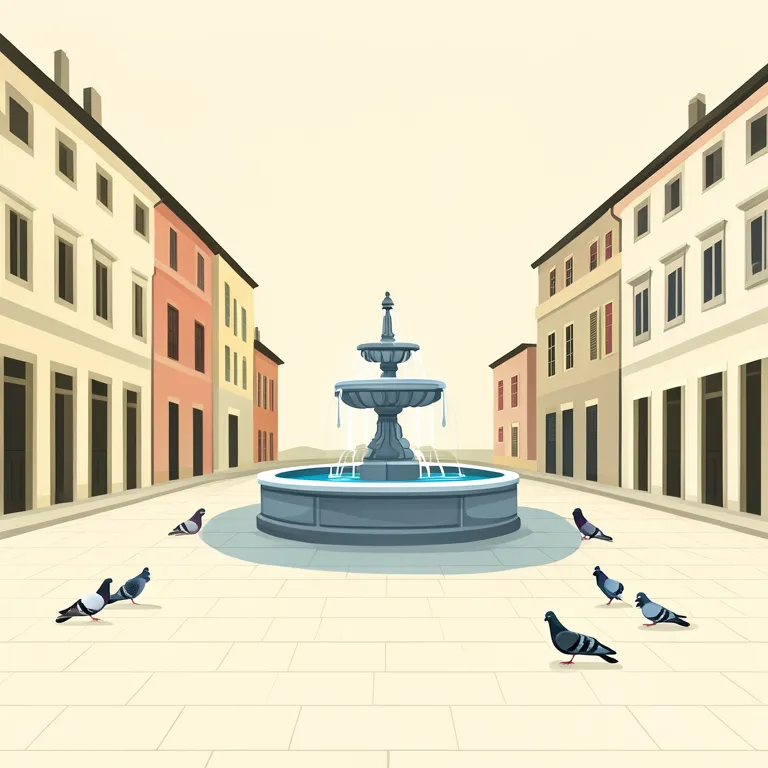
trg
square
nounA1 · Lesson 2town square
Idimo peške do trga.Let's walk to the square.
Forms
masculine noun case singular plural nom trg trgovi / trzi gen trga trga / trgova dat trgu trgovima / trzima acc trg trgove / trge voc trže trzi / trgovi ins trgom trgovima / trzima loc trgu trzima / trgovima 
ulaz
entrance
nounA1 · Lesson 2Ovde piše: ulaz.Here it says: entrance.
Forms
masculine noun case singular plural nom ulaz ulazi gen ulaza ulaza dat ulazu ulazima acc ulaz ulaze voc ulaze / ulazu ulazi ins ulazom ulazima loc ulazu ulazima 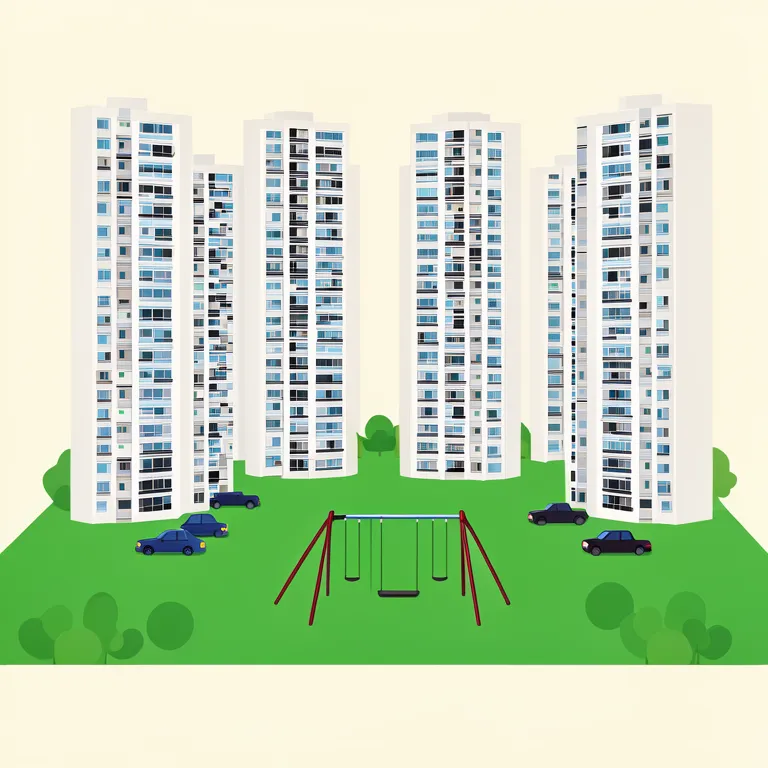
naselje
housing estate, residential district
nounA2 · Lesson 5Neuter; plural naselja.
Stanovnici pišu policiji o buci u naseljima.The residents write to the police about the noise in the housing estates.
Forms
neuter noun case singular plural nom naselje naselja gen naselja naselja dat naselju naseljima acc naselje naselja voc naselje naselja ins naseljem naseljima loc naselju naseljima 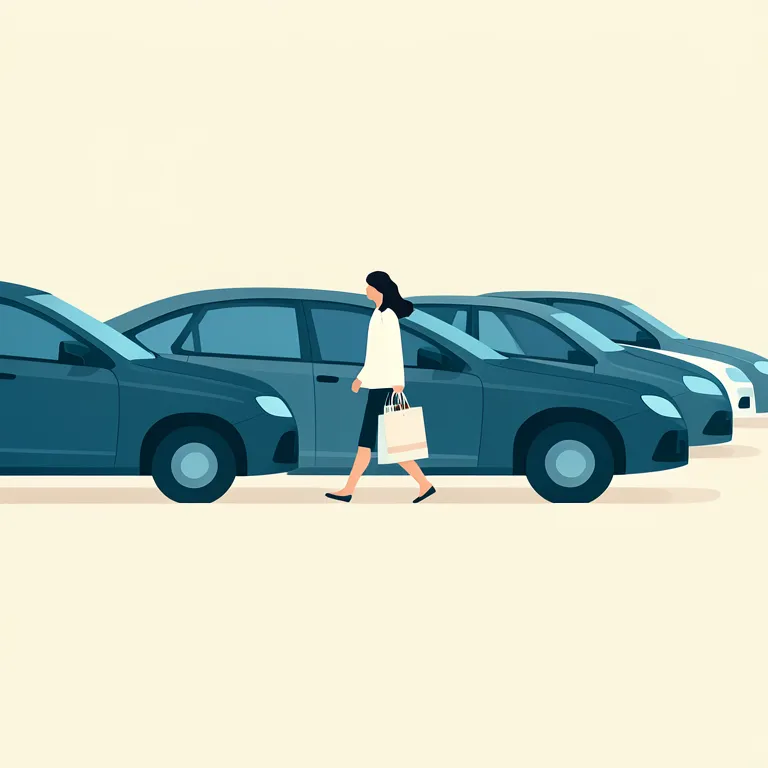
pešak
pedestrian
nounA2 · Lesson 5Plural pešaci: the k becomes c before the plural endings.
Policija pomaže pešacima na raskrsnicama.The police help pedestrians at the intersections.
Forms
masculine noun case singular plural nom pešak pešaci gen pešaka pešaka dat pešaku pešacima acc pešaka pešake voc pešače pešaci ins pešakom pešacima loc pešaku pešacima 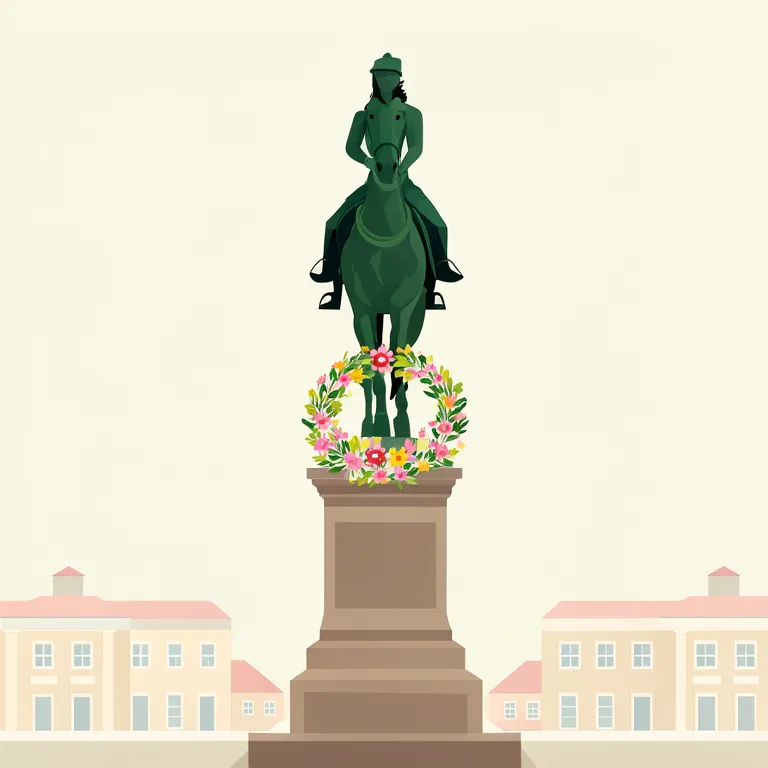
spomenik
monument
nounA2 · Lesson 5Plural spomenici: the k becomes c before the plural endings.
Vodič priča gostima o spomenicima i tvrđavama.The guide is telling the guests about the monuments and the fortresses.
Forms
masculine noun case singular plural nom spomenik spomenici gen spomenika spomenika dat spomeniku spomenicima acc spomenika spomenike voc spomeniku spomenici ins spomenikom spomenicima loc spomeniku spomenicima 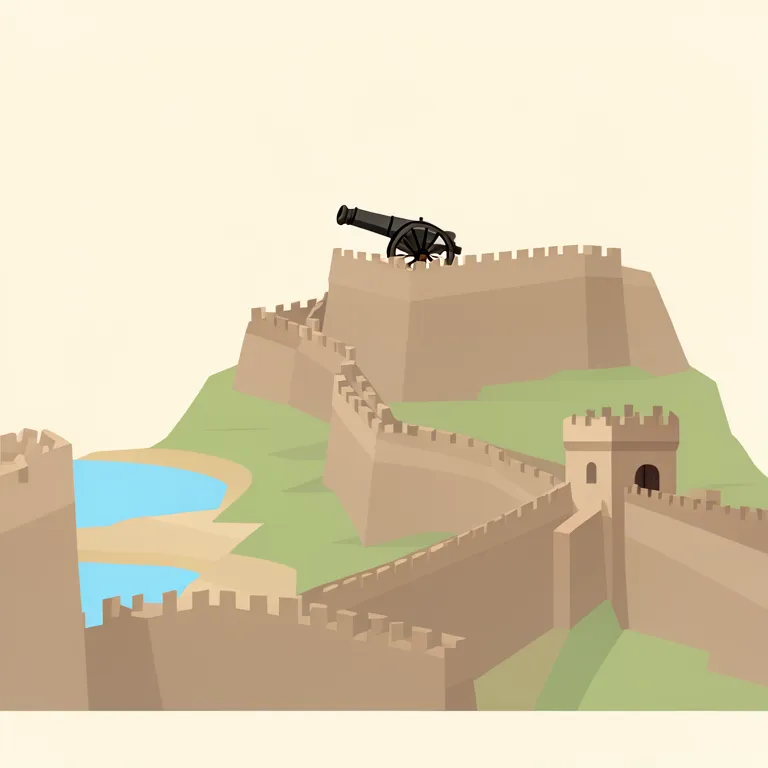
tvrđava
fortress
nounA2 · Lesson 5Vodič priča gostima o spomenicima i tvrđavama.The guide is telling the guests about the monuments and the fortresses.
Forms
feminine noun case singular plural nom tvrđava tvrđave gen tvrđave tvrđava dat tvrđavi tvrđavama acc tvrđavu tvrđave voc tvrđavo tvrđave ins tvrđavom tvrđavama loc tvrđavi tvrđavama 
autoput
motorway, highway
nounA2 · Lesson 6Instrumental singular autoputem: along the motorway.
Vozimo se kolima autoputem do granice.We drive by car along the motorway to the border.
Forms
masculine noun case singular plural nom autoput autoputovi / autoputi gen autoputa autoputeva / autoputa dat autoputu autoputovima / autoputevima acc autoput autoputove / autopute voc autopute / autoputu autoputevi / autoputi ins autoputom / autoputem autoputovima / autoputima loc autoputu autoputevima / autoputima 
kilometar
kilometre
nounA2 · Lesson 6Genitive plural kilometara after numbers from five up.
Forms
masculine noun case singular plural nom kilometar kilometri gen kilometra kilometara dat kilometru kilometrima acc kilometar kilometre voc kilometru / kilometre kilometri ins kilometrom kilometrima loc kilometru kilometrima 
mesto
place; seat
nounA1 · Lesson 7a place or spot; in a bus or a classroom, the seat itself
Jesu li mesta slobodna?Are the seats free?
Forms
neuter noun case singular plural nom mesto mesta gen mesta mesta dat mestu mestima acc mesto mesta voc mesto mesta ins mestom mestima loc mestu mestima 
ispod
under, below
prepositionA2 · Lesson 8Takes the genitive: ispod stola.
Stavi torbu ispod stola.Put the bag under the table.

ispred
in front of
prepositionA2 · Lesson 8Takes the genitive: ispred ogledala.
Ispred kuće je mala bašta.In front of the house there is a small garden.

iza
behind
prepositionA2 · Lesson 8Takes the genitive: iza kuće.
Kaput visi iza vrata.The coat hangs behind the door.

iznad
above, over
prepositionA2 · Lesson 8Takes the genitive: iznad kreveta.
Luster visi iznad stola.The chandelier hangs above the table.

oko
around; about, concerning
prepositionA2 · Lesson 9takes the genitive; pomagati nekome oko nečega = to help someone with something
Vratiću se kući oko ponoći.I'll come back home around midnight.
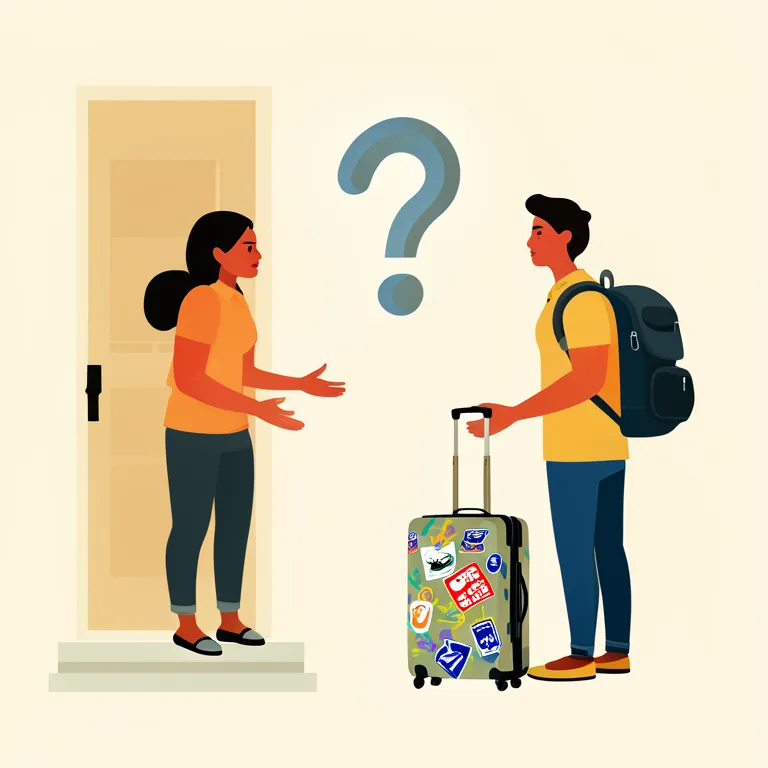
odakle
where from
adverbA1 · Lesson 10Asks for an origin, so the answer normally comes back with iz.
Odakle si?Where are you from?
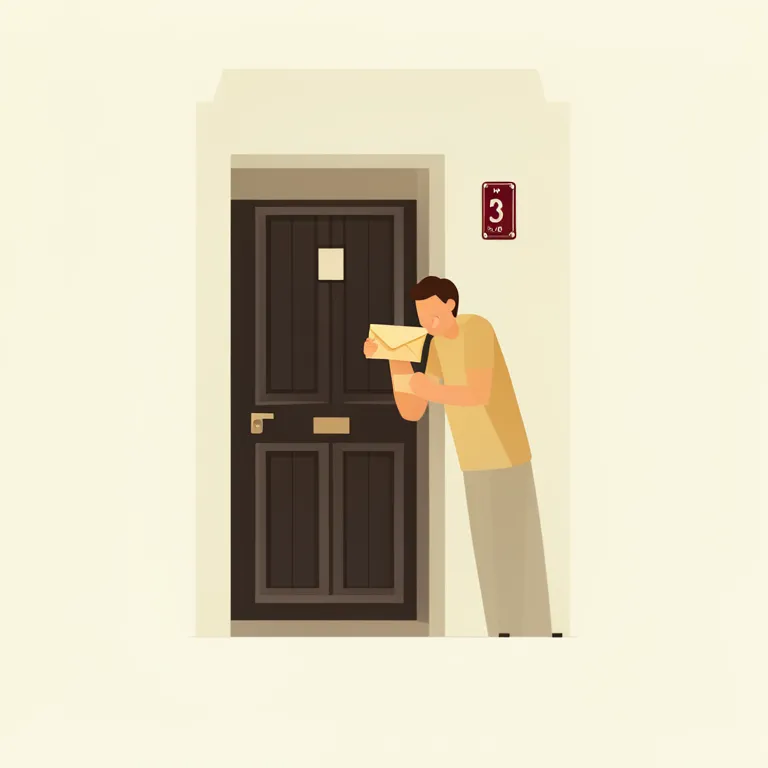
adresa
address
nounA1 · Lesson 11Ovo je adresa bolnice.This is the hospital's address.
Forms
feminine noun case singular plural nom adresa adrese gen adrese adresa dat adresi adresama acc adresu adrese voc adreso adrese ins adresom adresama loc adresi adresama 
jug
south
nounA2 · Lesson 11na jug — southwards, to the south.
Velika jata ptica lete na jug.Big flocks of birds are flying south.
Forms
masculine noun case singular plural nom jug jugovi gen juga jugova dat jugu jugovima acc jug jugove voc jugu jugovi ins jugom jugovima loc jugu jugovima 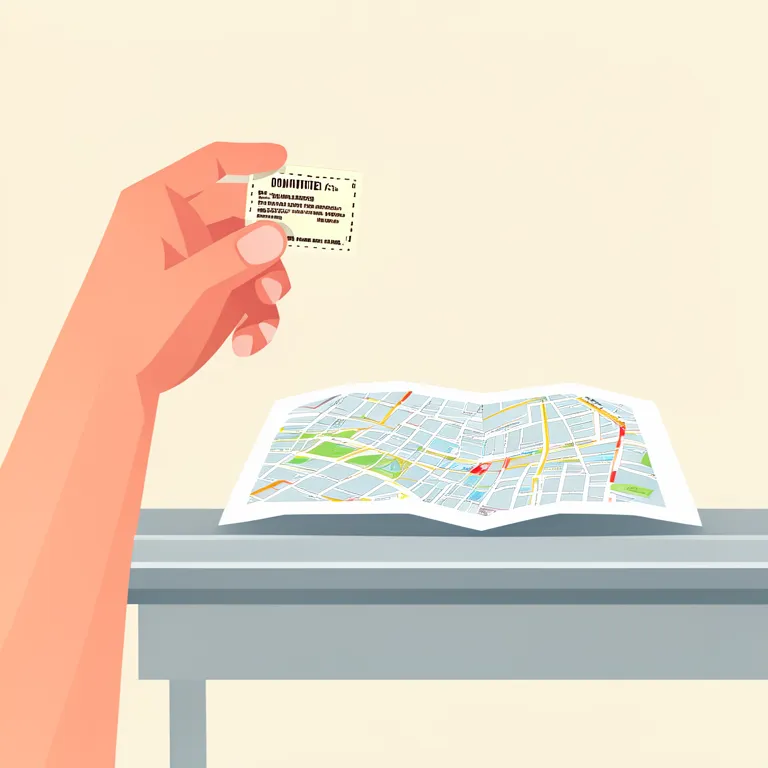
karta
ticket; map; card
nounA1 · Lesson 11a ticket for transport, a map you unfold, or a playing card
Dajem karte devojkama.I am giving the tickets to the girls.
Forms
feminine noun case singular plural nom karta karte gen karte karti / karta dat karti kartama acc kartu karte voc karto karte ins kartom kartama loc karti kartama 
kuda
where to
adverbA1 · Lesson 11Asks about direction — the place someone is heading for. In relaxed speech people often use gde instead, but kuda is the precise word.
Kuda ideš?Where are you going?

prema
towards, to
prepositionA2 · Lesson 12takes the dative; ljubazan prema gostima — friendly towards the guests

kod
at, at the place of
prepositionA1 · Lesson 13Used of being at somebody's place; the noun after it changes its ending.
Skreni levo kod semafora.Turn left at the traffic light. (to a friend)
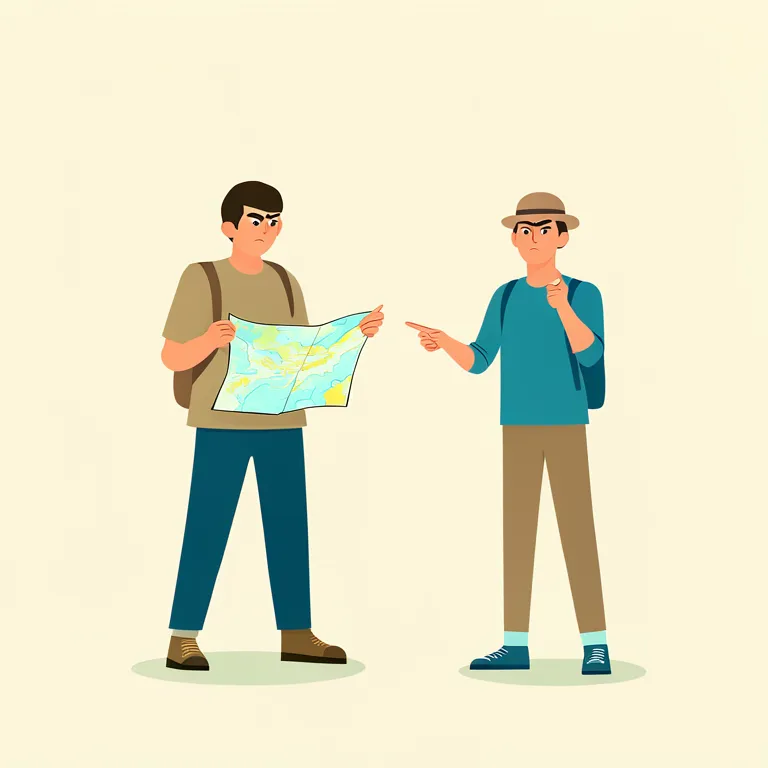
pitati
to ask
verbA1 · Lesson 14a-class, like čitati — not every verb in -ati belongs to the e-class.
Pitaj njegovog kolegu za vizu.Ask his colleague about the visa.
Forms
infinitive: pitati · present tense person singular plural 1. pitam pitamo 2. pitaš pitate 3. pita pitaju 
sever
north
nounA2 · Lesson 14Na severu = in the north.
Najhladnije mesto u Evropi je na severu Rusije.The coldest place in Europe is in the north of Russia.
Forms
masculine noun case singular plural nom sever severi gen severa severa dat severu severima acc sever severe voc severe severi ins severom severima loc severu severima 
istok
east
nounA2 · Lesson 15'In the east' is na istoku, with na.
Najgušća šuma u zemlji je na istoku.The densest forest in the country is in the east.
Forms
masculine noun case singular plural nom istok istoci gen istoka istoka dat istoku istocima acc istok istoke voc istoče istoci ins istokom istocima loc istoku istocima 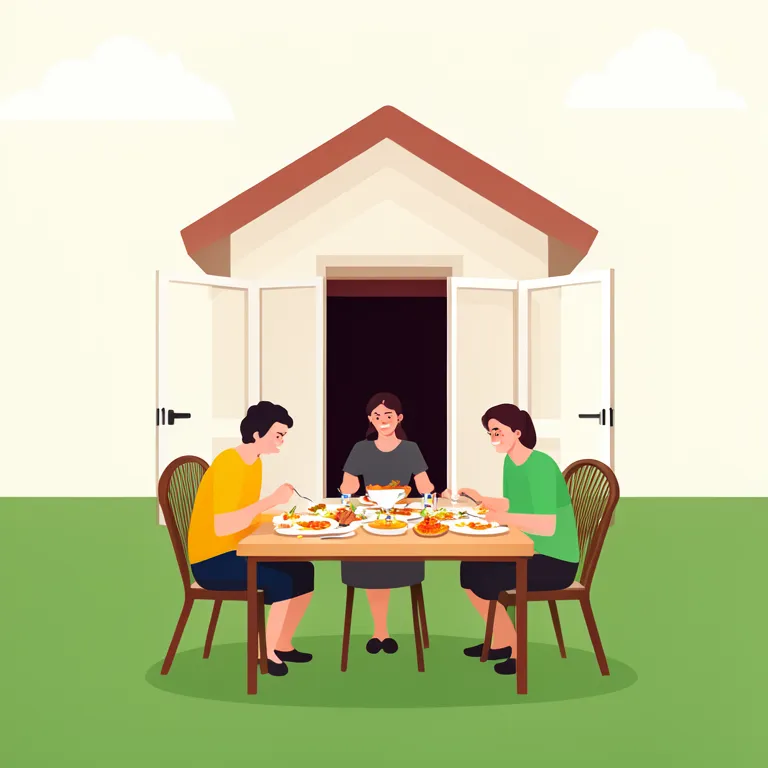
napolju
outside
adverbA1 · Lesson 15Says where something happens, not where it is going.
Deca danas ne skaču napolju.The children are not jumping outside today.

zapad
west
nounA2 · Lesson 15'In the west' is na zapadu, with na.
Forms
masculine noun case singular plural nom zapad zapadovi gen zapada zapadova dat zapadu zapadovima acc zapad zapadove voc zapadu zapadovi ins zapadom zapadovima loc zapadu zapadovima 
staza
track, trail, lane
nounA2 · Lesson 18A running track, a hiking trail or a swimming lane.
Ko je danas najduže trenirao na stazi?Who trained longest on the track today?
Forms
feminine noun case singular plural nom staza staze gen staze staza dat stazi stazama acc stazu staze voc stazo staze ins stazom stazama loc stazi stazama 
most
bridge
nounA1 · Lesson 19Na mostovima ima mnogo saobraćaja.There is a lot of traffic on the bridges.
Forms
masculine noun case singular plural nom most mostovi gen mosta mostova dat mostu mostovima acc most mostove voc mostu / moste mostovi ins mostom mostovima loc mostu mostovima 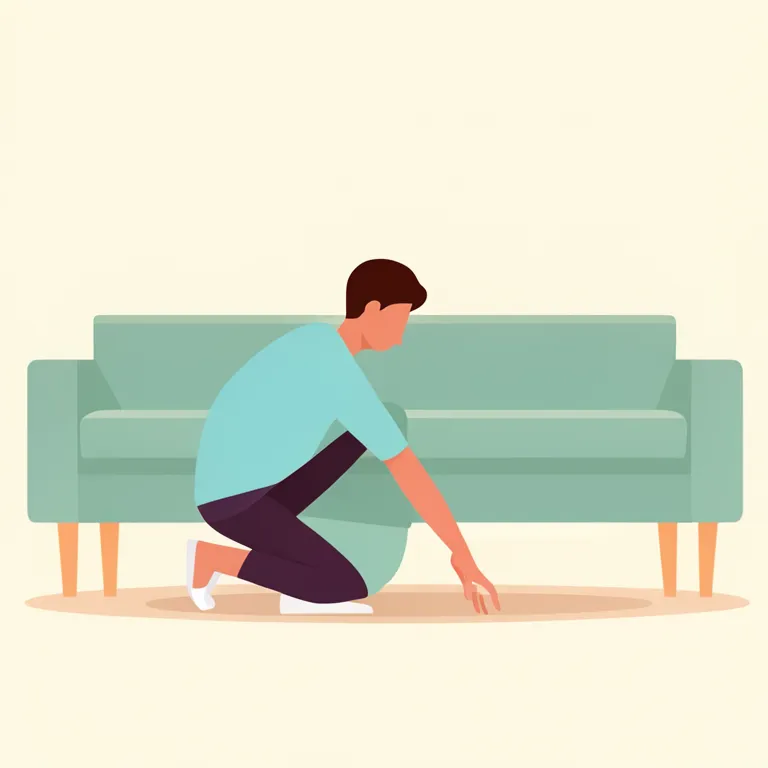
tražiti
to look for
verbA1 · Lesson 19An i-class verb. It means to look for or to search for, and also to ask for something.
Tražim stvari.I am looking for things.
Forms
infinitive: tražiti · present tense person singular plural 1. tražim tražimo 2. tražiš tražite 3. traži traže 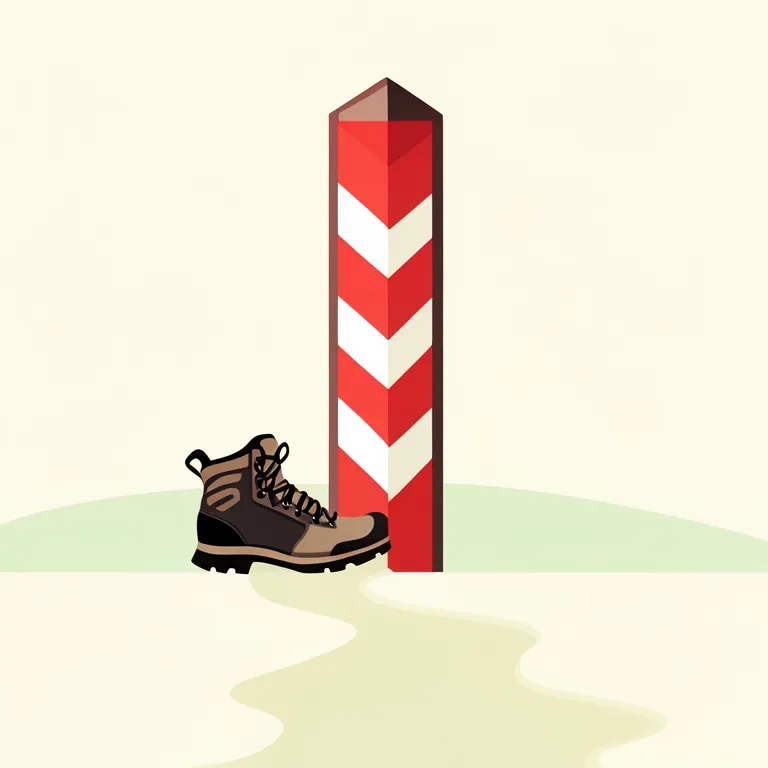
do
up to, until; as far as
prepositionA1 · Lesson 22Followed by the genitive. Also used for 'right next to' when one thing stands beside another.
Idem do apoteke.I am going as far as the pharmacy.

između
between
prepositionA2 · Lesson 23Takes the genitive: između mora i planina.
Deca se igraju između stolica.The children are playing between the chairs.
sprat
floor, storey
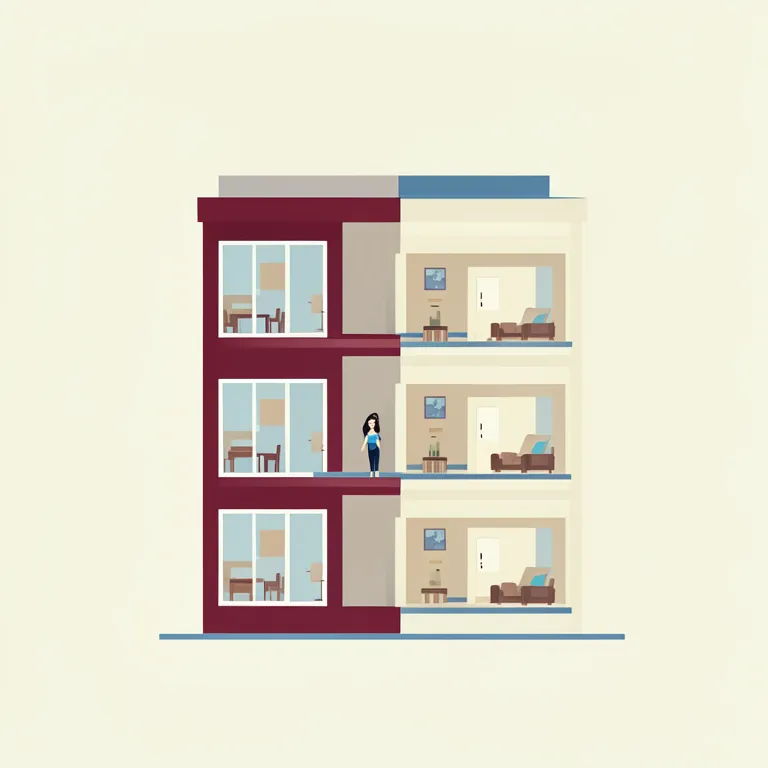
nounA1 · Lesson 24a level of a building, not the surface you walk on
Moja kancelarija je na prvom spratu.My office is on the first floor.
Forms
masculine noun case singular plural nom sprat spratovi gen sprata spratova dat spratu spratovima acc sprat spratove voc sprate / spratu spratovi ins spratom spratovima loc spratu spratovima 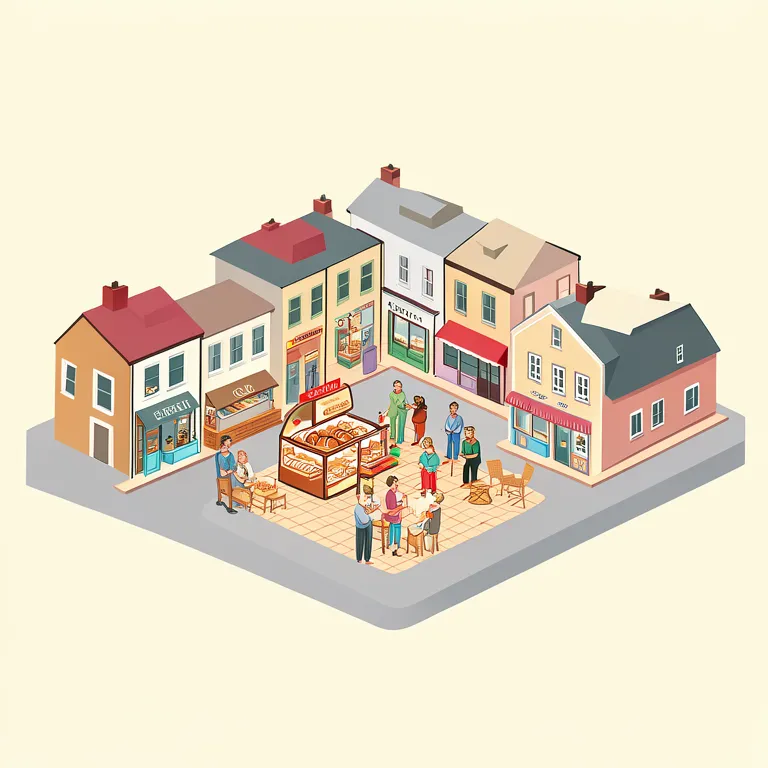
kvart
neighbourhood, quarter
nounA1 · Lesson 26an area of a city people live in and identify with, not a street; informal, unlike the administrative opština
Forms
case singular plural nom kvart kvartovi gen kvarta kvartova dat kvartu kvartovima acc kvart kvartove voc kvarte / kvartu kvartovi ins kvartom kvartovima loc kvartu kvartovima 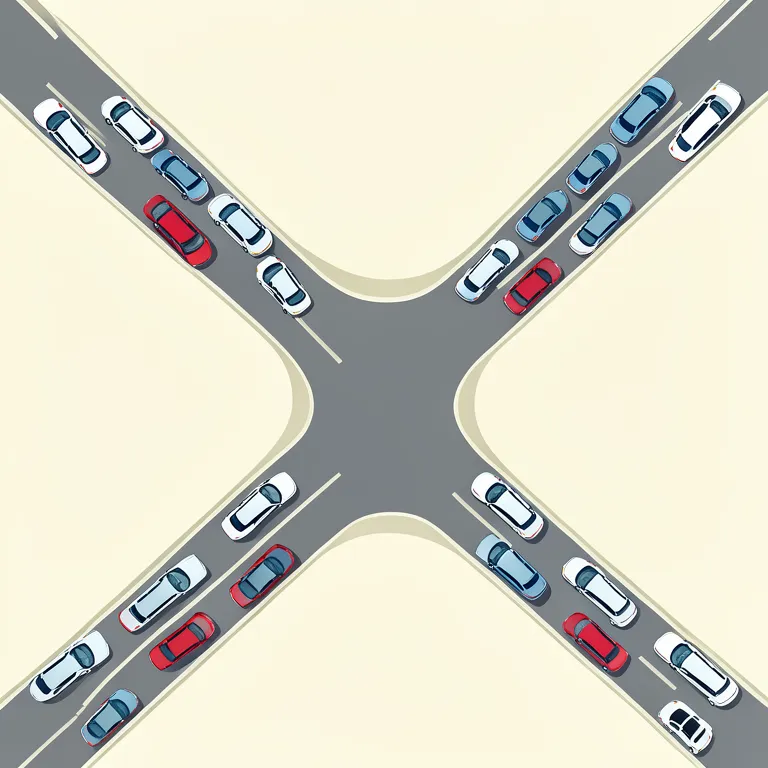
raskrsnica
crossroads, intersection
nounA1 · Lesson 26Idi pravo do raskrsnice.Go straight to the intersection. (to a friend)
Forms
feminine noun case singular plural nom raskrsnica raskrsnice gen raskrsnice raskrsnica dat raskrsnici raskrsnicama acc raskrsnicu raskrsnice voc raskrsnice raskrsnice ins raskrsnicom raskrsnicama loc raskrsnici raskrsnicama 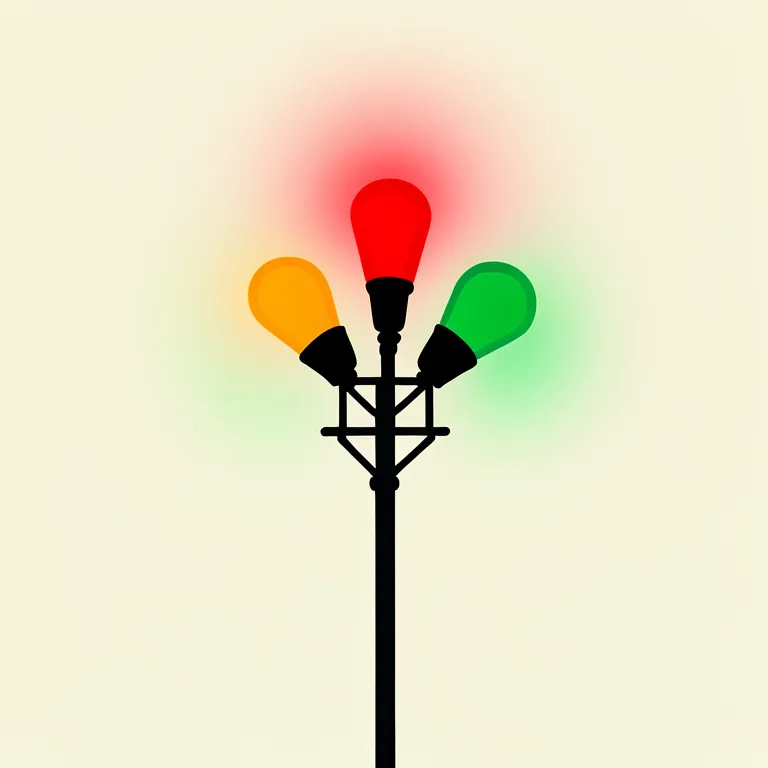
semafor
traffic light
nounA1 · Lesson 26Skreni levo kod semafora.Turn left at the traffic light. (to a friend)
Forms
masculine noun case singular plural nom semafor semafori gen semafora semafora dat semaforu semaforima acc semafor semafore voc semafore semafori ins semaforom semaforima loc semaforu semaforima 
ugao
corner
nounA1 · Lesson 26a street corner; also the geometric angle
Pekara je na uglu, kod crkve.The bakery is on the corner, by the church.
Forms
masculine noun case singular plural nom ugao ugli / uglovi gen ugla uglova / ugala dat uglu uglima acc ugao uglove / uglie voc ugle uglovi / ugli ins uglom uglovima / uglima loc uglu uglima / uglovima 
desno
on the right, to the right
adverbA1 · Lesson 27Pređimo most i onda skrenimo desno.Let's cross the bridge and then turn right.
doći
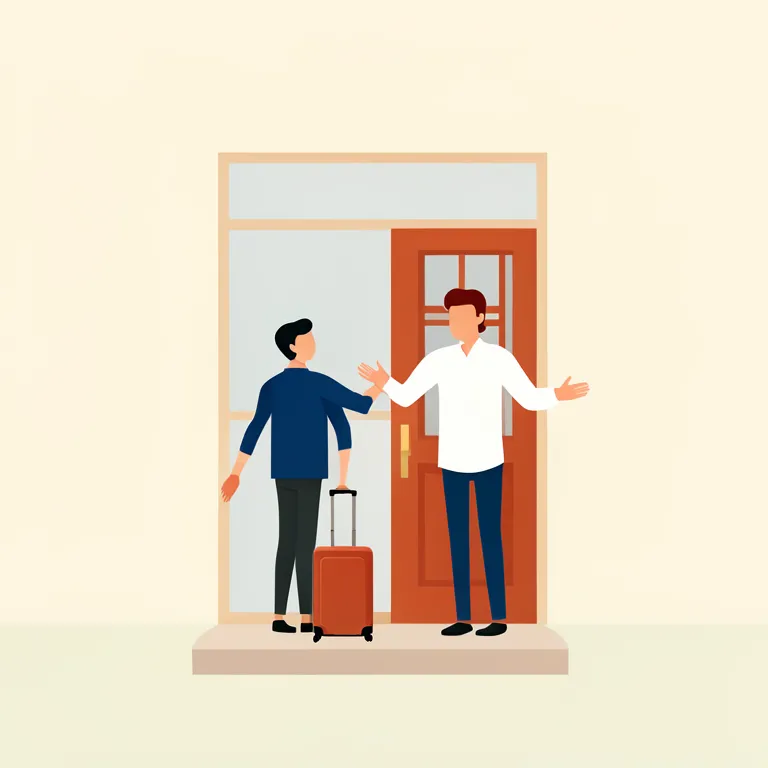
to come, to arrive
verbA1 · Lesson 27Dođi! is the everyday command 'come!'. The full verb is taught later.
Dođi ovamo!Come here!
Forms
infinitive: doći · present tense person singular plural 1. dođem dođemo 2. dođeš dođete 3. dođe dođu 
tu
there
adverbA1 · Lesson 27there, near the person spoken to
Čoveče, šta radiš tu?Man, what are you doing there?

pravac
direction, way
nounA2 · Lesson 30u pogrešnom pravcu, in the wrong direction. Close in meaning to smer.
Forms
masculine noun case singular plural nom pravac pravci gen pravca pravaca dat pravcu pravcima acc pravac pravce voc pravče pravci ins pravcem pravcima loc pravcu pravcima 
putokaz
signpost
nounA2 · Lesson 30Forms
masculine noun case singular plural nom putokaz putokazi gen putokaza putokaza dat putokazu putokazima acc putokaz putokaze voc putokaze / putokazu putokazi ins putokazom putokazima loc putokazu putokazima 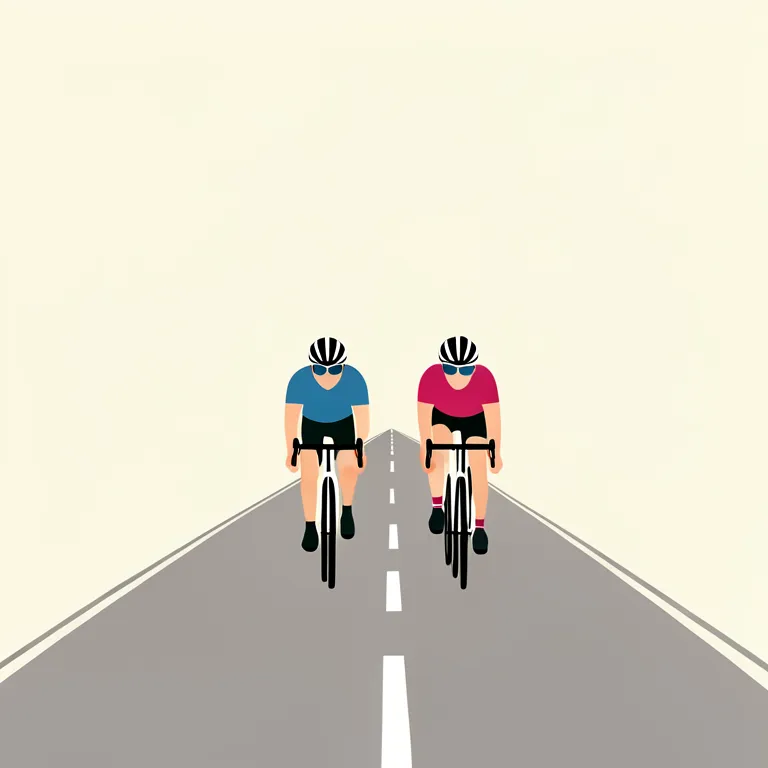
smer
direction
nounA2 · Lesson 30The direction something is heading in: u istom smeru, in the same direction.
Forms
masculine noun case singular plural nom smer smerovi gen smera smerova dat smeru smerovima acc smer smerove voc smeru smerovi ins smerom smerovima loc smeru smerovima 
stati
to stop, to come to a halt
verbA2 · Lesson 30Perfective; the past is stao, stala.
Forms
infinitive: stati · present tense person singular plural 1. stanem / stajem stajemo / stanemo 2. staješ / staneš stanete / stajete 3. stane / staje staju / stanu 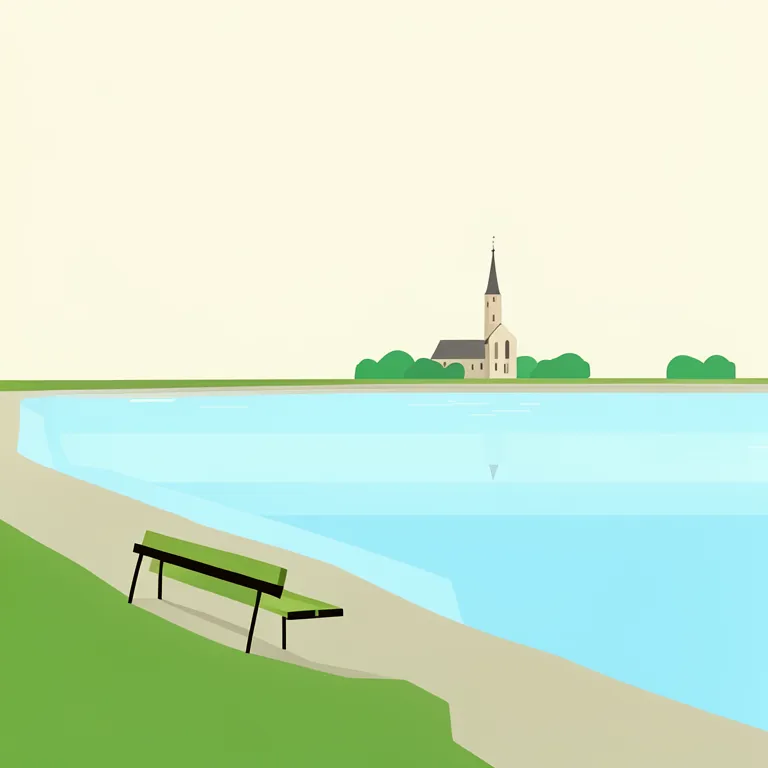
strana
side
nounA2 · Lesson 30na drugoj strani, on the other side; na suprotnu stranu, to the opposite side.
Forms
feminine noun case singular plural nom strana strane gen strane strana dat strani stranama acc stranu strane voc strano strane ins stranom stranama loc strani stranama 
trotoar
pavement, sidewalk
nounA2 · Lesson 30the everyday word heard in the street; pločnik is the more formal synonym
Forms
case singular plural nom trotoar trotoari gen trotoara trotoara dat trotoaru trotoarima acc trotoar trotoare voc — trotoari ins trotoarom trotoarima loc trotoaru trotoarima 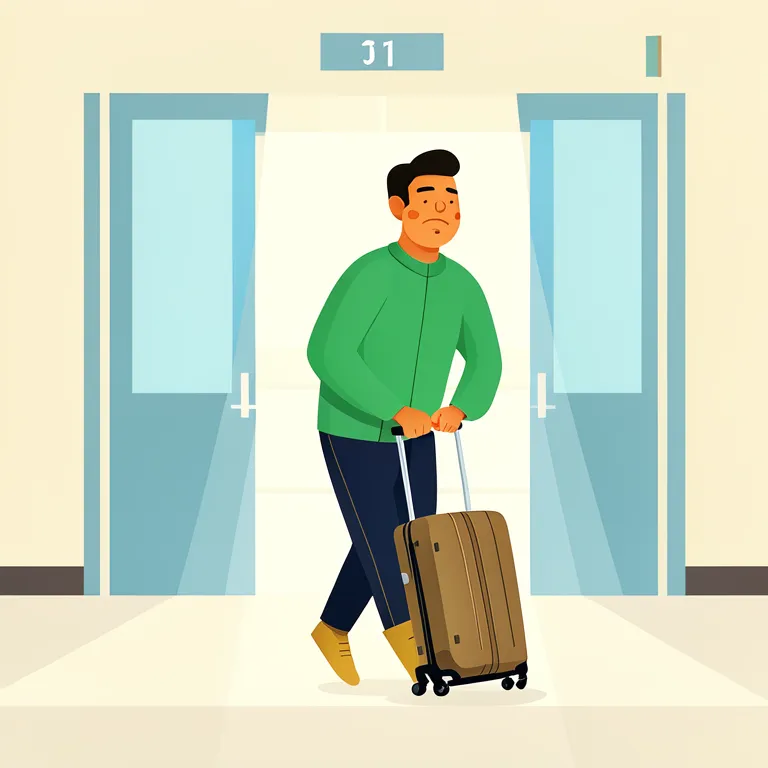
stići
to arrive, to get somewhere
verbA1 · Lesson 31The g of the stem shows up in the past: stigao, stigla.
Stigli smo na vreme.We arrived on time.
Forms
infinitive: stići · present tense person singular plural 1. stignem stignemo 2. stigneš stignete 3. stigne stignu 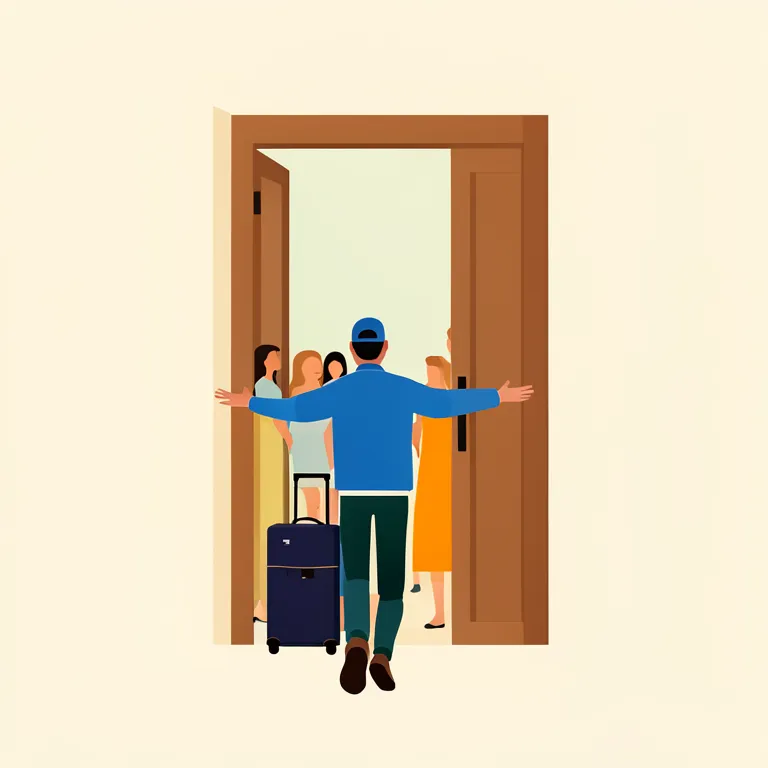
vratiti
to return, to come back
verbA1 · Lesson 31With se it means to come back; on its own it means to give something back.
Ona se vratila.She came back.
Forms
infinitive: vratiti · present tense person singular plural 1. vratim vratimo 2. vratiš vratite 3. vrati vrate 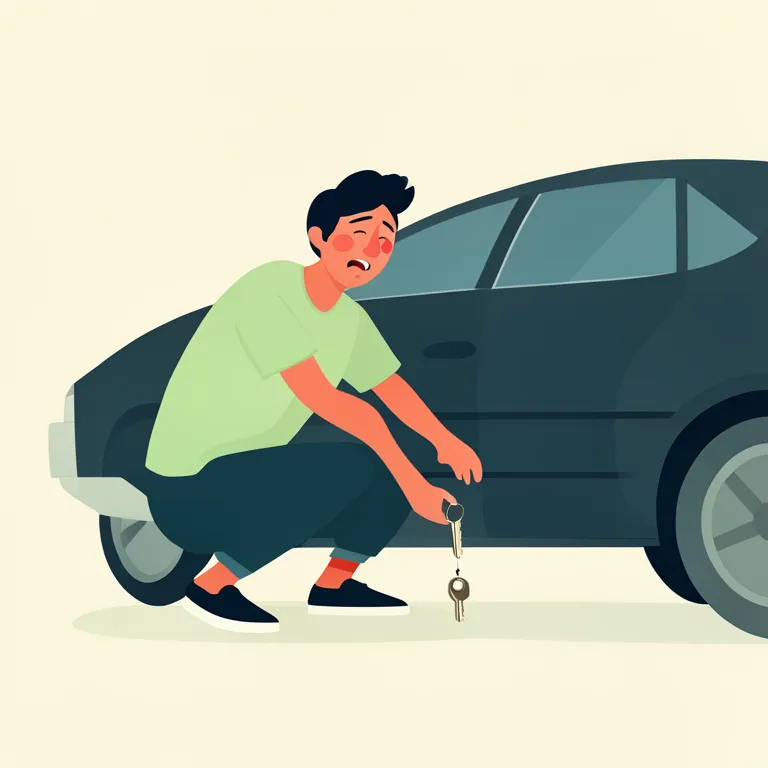
naći
to find; to meet up (naći se)
verbA1 · Lesson 32Perfective. The l-participle drops the ć: našao (m), našla (f).
Nisam našao kofer u hotelu.I didn't find the suitcase in the hotel. (man speaking)
Forms
infinitive: naći · present tense person singular plural 1. nađem nađemo 2. nađeš nađete 3. nađe nađu 
negde
somewhere
adverbA2 · Lesson 32Also 'anywhere' in questions and after ako.
Ključevi su negde u stanu.The keys are somewhere in the flat.

krenuti
to set off, to leave
verbA1 · Lesson 33Krenimo peške, nije daleko.Let's set off on foot, it isn't far.
Forms
infinitive: krenuti · present tense person singular plural 1. krenem krenemo 2. kreneš krenete 3. krene krenu 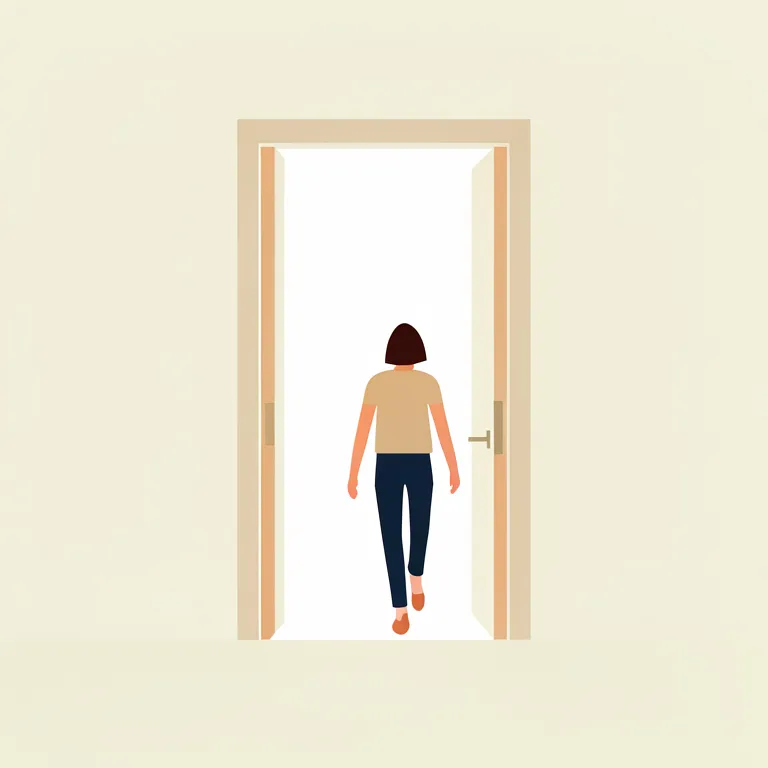
ući
to go in, to come in
verbA1 · Lesson 34Perfective; the place you enter takes u plus the accusative.
Mogu li da uđem?May I come in?
Forms
infinitive: ući · present tense person singular plural 1. uđem uđemo 2. uđeš uđete 3. uđe uđu 
desni
right, right-hand
adjectiveA1 · Lesson 35The adjective beside the adverb desno.
Forms
nominative gender singular plural masculine desni desni feminine desna desne neuter desno desna 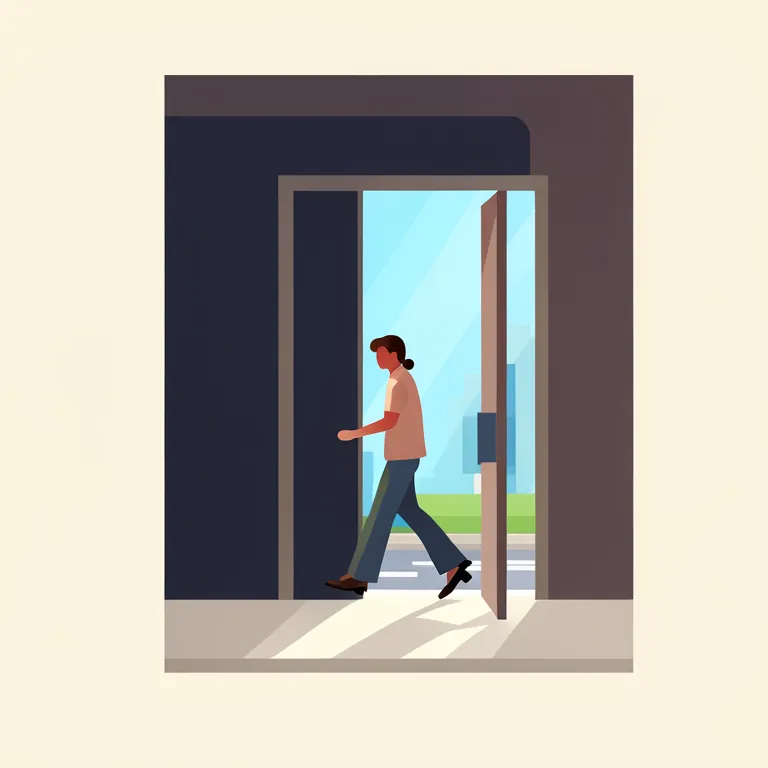
izaći
to go out, to come out
verbA1 · Lesson 35Used with iz plus the genitive: out of a building, out of the station.
Izašao je bez jakne.He went out without a jacket.
Forms
infinitive: izaći · present tense person singular plural 1. izađem izađemo 2. izađeš izađete 3. izađe izađu 
izgubiti
to lose; to get lost (izgubiti se)
verbA1 · Lesson 35With the clitic se it means to get lost.
Izgubila sam ključ od auta.I've lost the car key. (woman speaking)
Forms
infinitive: izgubiti · present tense person singular plural 1. izgubim izgubimo 2. izgubiš izgubite 3. izgubi izgube 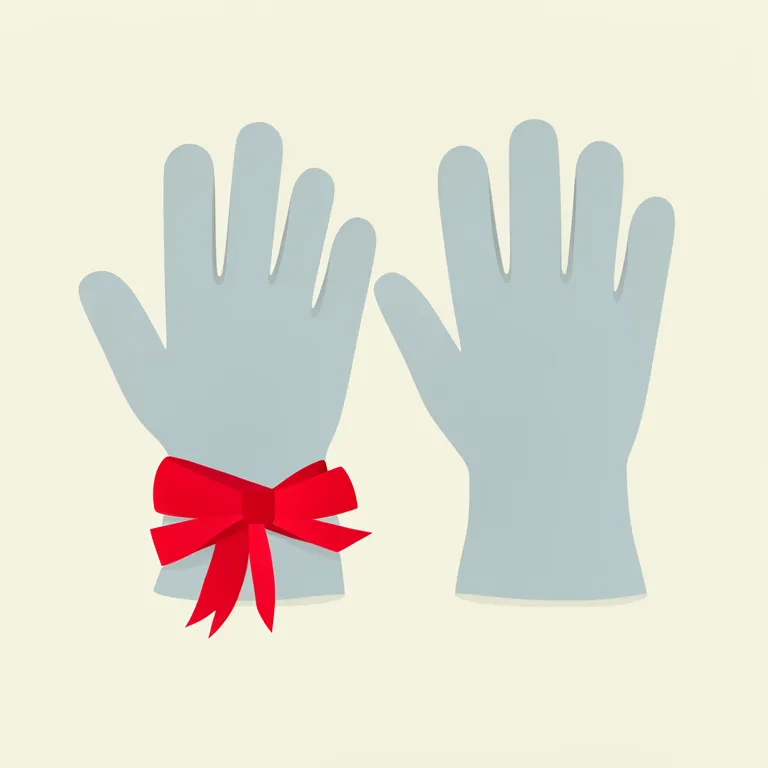
levi
left, left-hand
adjectiveA1 · Lesson 35The adjective beside the adverb levo; it agrees with its noun, as in sa leve strane.
Forms
nominative gender singular plural masculine levi levi feminine leva leve neuter levo leva 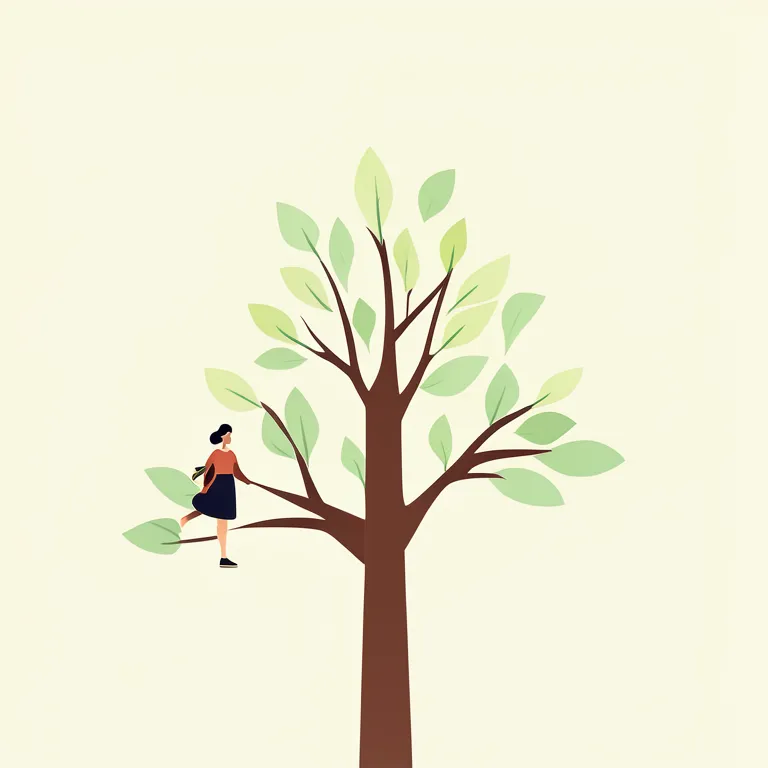
levo
left, to the left
adverbA1 · Lesson 35Answers the question which way. Its opposite is desno.
Skreni levo kod semafora.Turn left at the traffic light. (to a friend)
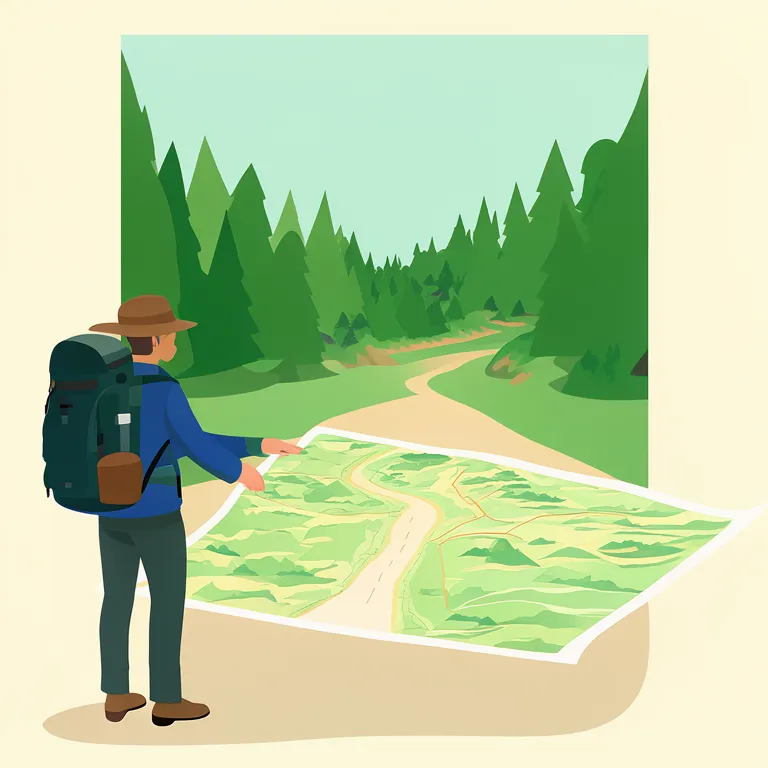
mapa
map
nounA1 · Lesson 35You will also hear karta for a map, though karta is more often a ticket.
Pokažite mi na mapi gde smo.Show me on the map where we are. (polite)
Forms
feminine noun case singular plural nom mapa mape gen mape mapa dat mapi mapama acc mapu mape voc mapo mape ins mapom mapama loc mapi mapama 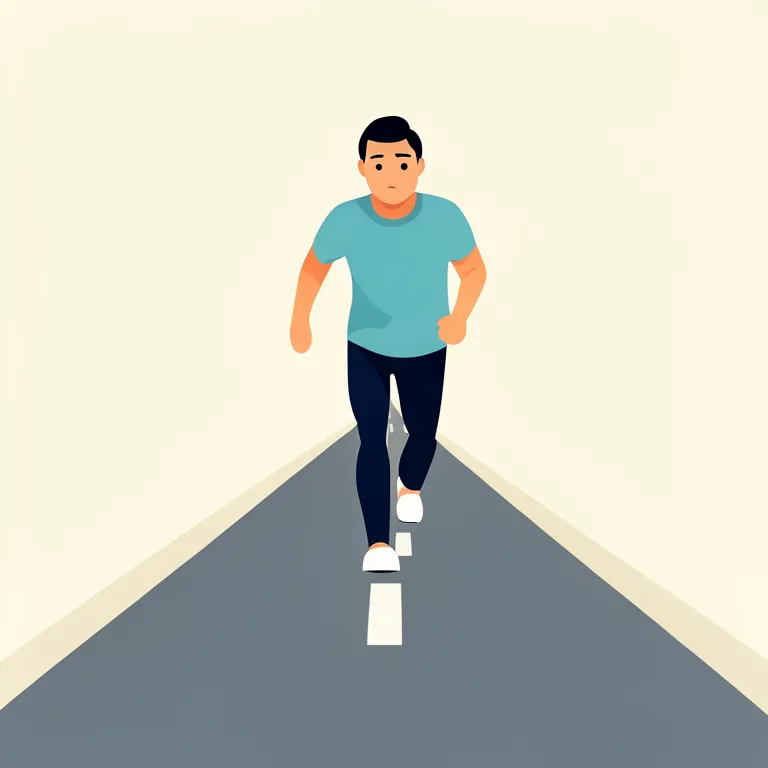
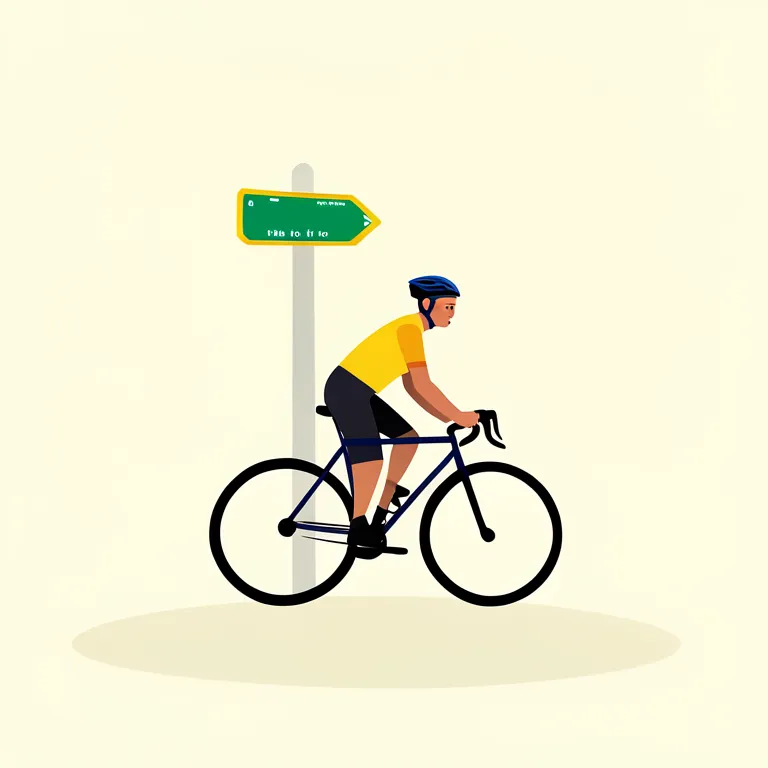
napred
forward, ahead
adverbA1 · Lesson 35Direction of movement, not a place. Its opposite is nazad.
nastaviti
to continue, to carry on
verbA1 · Lesson 35In directions: to keep going the way you were going.
Nastavi pravo i prođi pored parka.Carry straight on and go past the park. (to a friend)
Forms
infinitive: nastaviti · present tense person singular plural 1. nastavim nastavimo 2. nastaviš nastavite 3. nastavi nastave 
pokazati
to show, to point out
verbA1 · Lesson 35The person you show something to stands in the dative.
Pokaži pozivnicu ovoj ženi na ulazu.Show the invitation to this woman at the entrance.
Forms
infinitive: pokazati · present tense person singular plural 1. pokažem pokažemo 2. pokažeš pokažete 3. pokaže pokažu 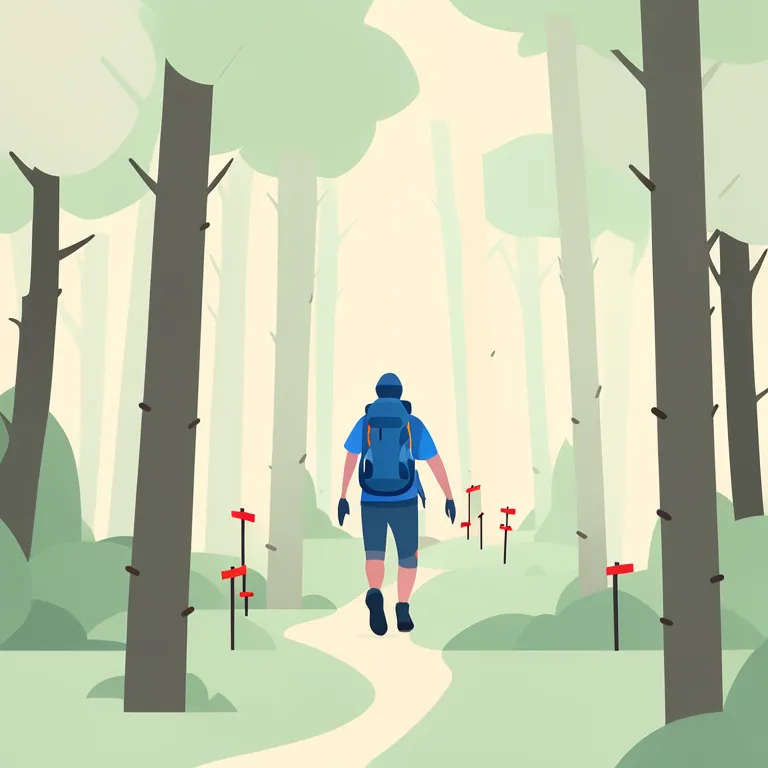
pratiti
to follow
verbA1 · Lesson 35Follow signs, follow a road, or follow a person.
Serija koju pratimo ima deset epizoda.The series we follow has ten episodes.
Forms
infinitive: pratiti · present tense person singular plural 1. pratim pratimo 2. pratiš pratite 3. prati prate 
pravo
straight ahead
adverbA1 · Lesson 35In directions it means straight on, not turning off anywhere.
Idi pravo do raskrsnice.Go straight to the intersection. (to a friend)
Forms
comparative pravije superlative najpravije 
preći
to cross, to get across
verbA1 · Lesson 35Used of crossing a street, a bridge or a square.
Pređite ulicu kod semafora.Cross the street at the traffic lights.
Forms
infinitive: preći · present tense person singular plural 1. pređem pređemo 2. pređeš pređete 3. pređe pređu 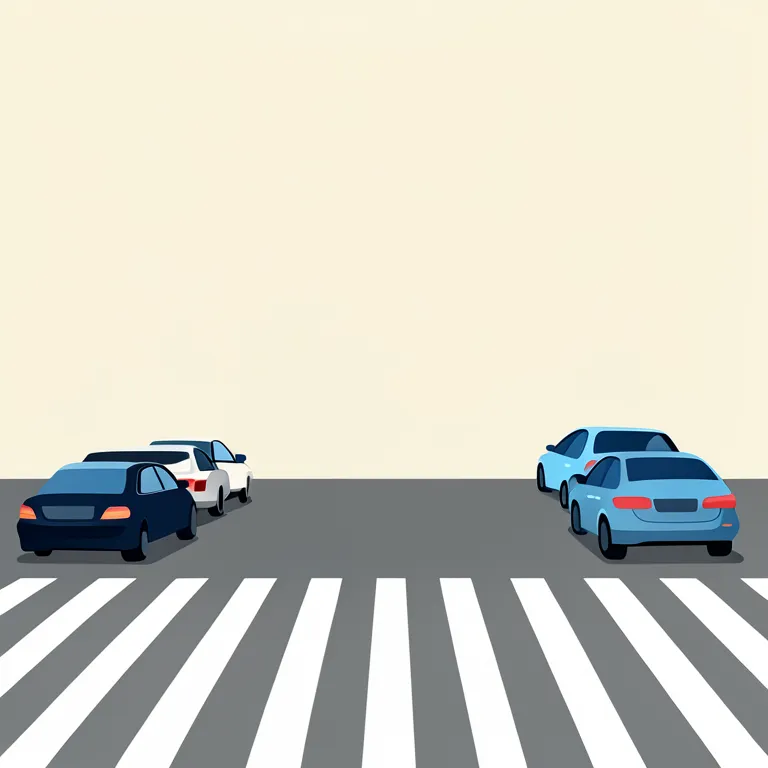
prelaz
crossing
nounA1 · Lesson 35a place to cross: pedestrian crossing, level crossing
Pređite ulicu na pešačkom prelazu.Cross the street at the pedestrian crossing. (polite)
Forms
masculine noun case singular plural nom prelaz prelazi gen prelaza prelaza dat prelazu prelazima acc prelaz prelaze voc prelaze / prelazu prelazi ins prelazom prelazima loc prelazu prelazima 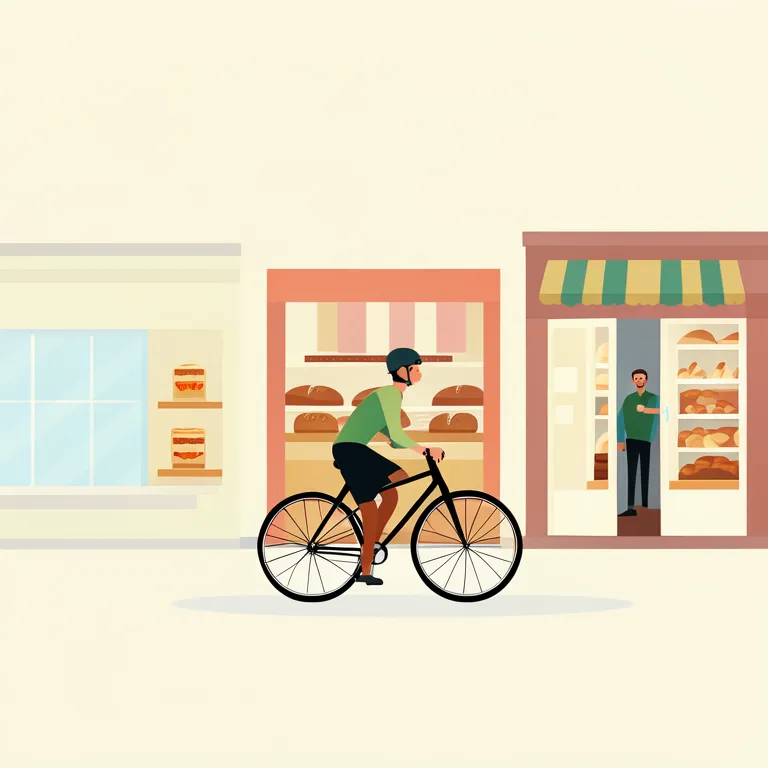
proći
to pass, to go past
verbA1 · Lesson 35With pored plus the genitive: to go past something.
Nastavi pravo i prođi pored parka.Carry straight on and go past the park. (to a friend)
Forms
infinitive: proći · present tense person singular plural 1. prođem prođemo 2. prođeš prođete 3. prođe prođu 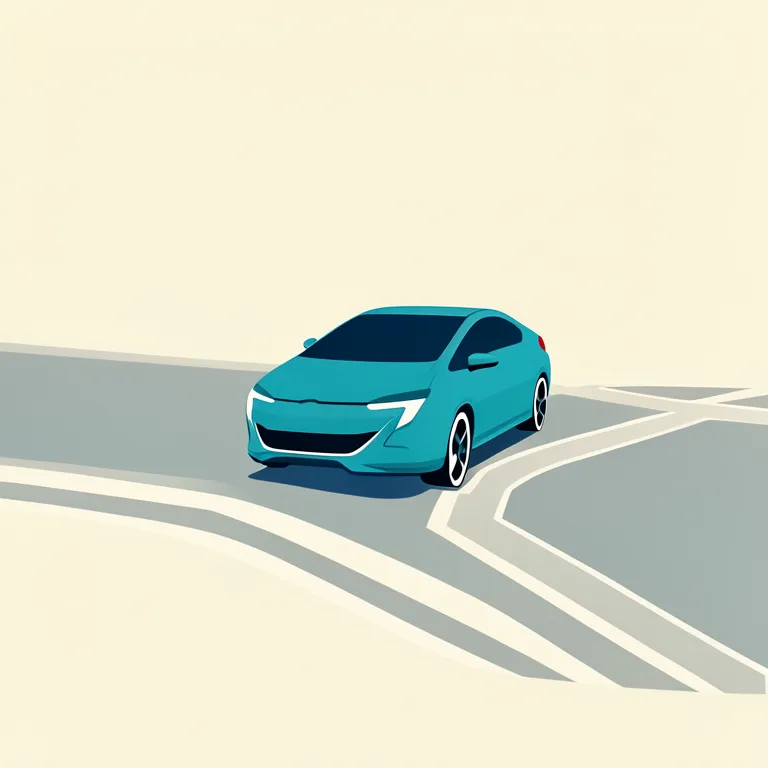
skrenuti
to turn (off), to make a turn
verbA1 · Lesson 35The everyday verb for turning a corner in traffic or on foot. Perfective: one single turn.
Skreni levo kod semafora.Turn left at the traffic light. (to a friend)
Forms
infinitive: skrenuti · present tense person singular plural 1. skrenem skrenemo 2. skreneš skrenete 3. skrene skrenu 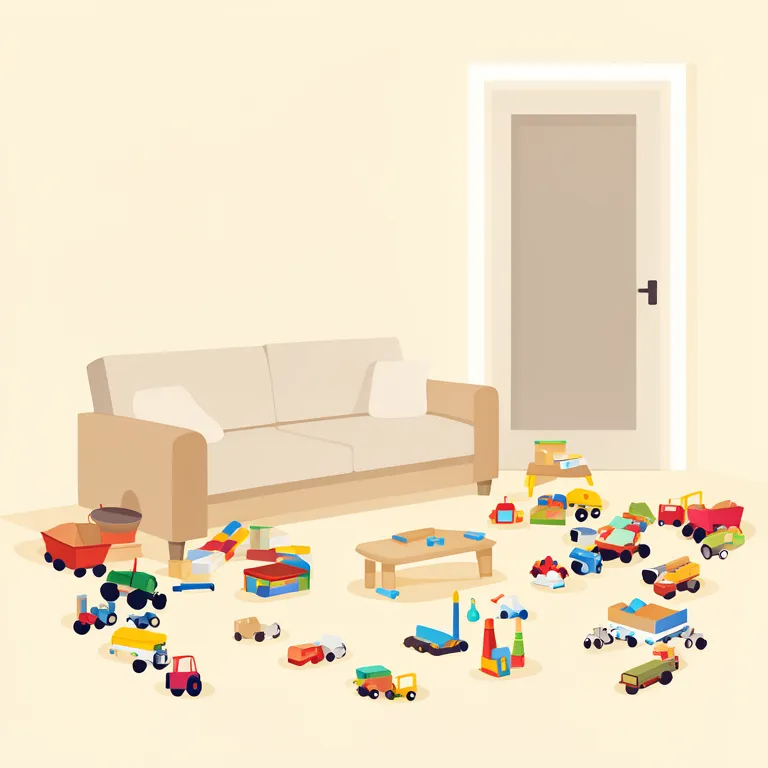
svuda
everywhere
adverbA1 · Lesson 37
nigde
nowhere, anywhere
adverbA1 · Lesson 38Serbian keeps the ne on the verb as well: nisam nigde išao — two negatives, one meaning.
Nigde nema tople vode.There is no hot water anywhere.

otići
to go away, to go off somewhere
verbA1 · Lesson 40The present forms are odem, odeš, ode.
Otišla je kući taksijem.She went home by taxi.
Forms
infinitive: otići · present tense person singular plural 1. otiđem / odem odemo / otiđemo 2. odeš / otiđeš otiđete / odete 3. otiđe / ode odu / otiđu 
kroz
through
prepositionA1 · Lesson 41Always with the accusative.

unutra
inside
adverbA1 · Lesson 42Covers both being inside and going inside — the same form after a verb of motion.
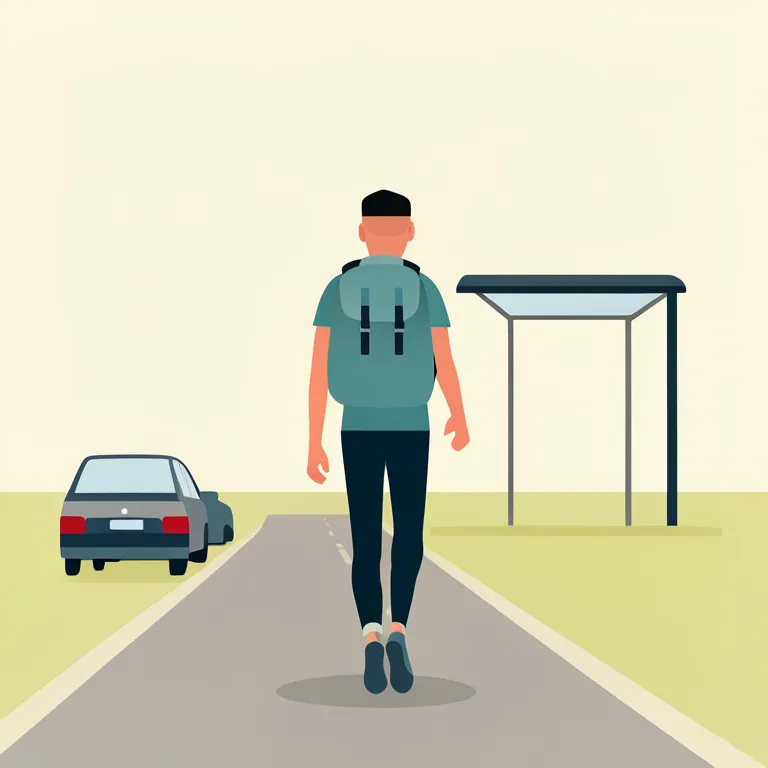
pešice
on foot
adverbA2 · Lesson 49Never changes form. Answers how you travel, alongside autobusom, taksijem and the like.
More words of the topic
Not introduced in a lesson yet. In the app you add them from the topic and learn them the same way as the rest.
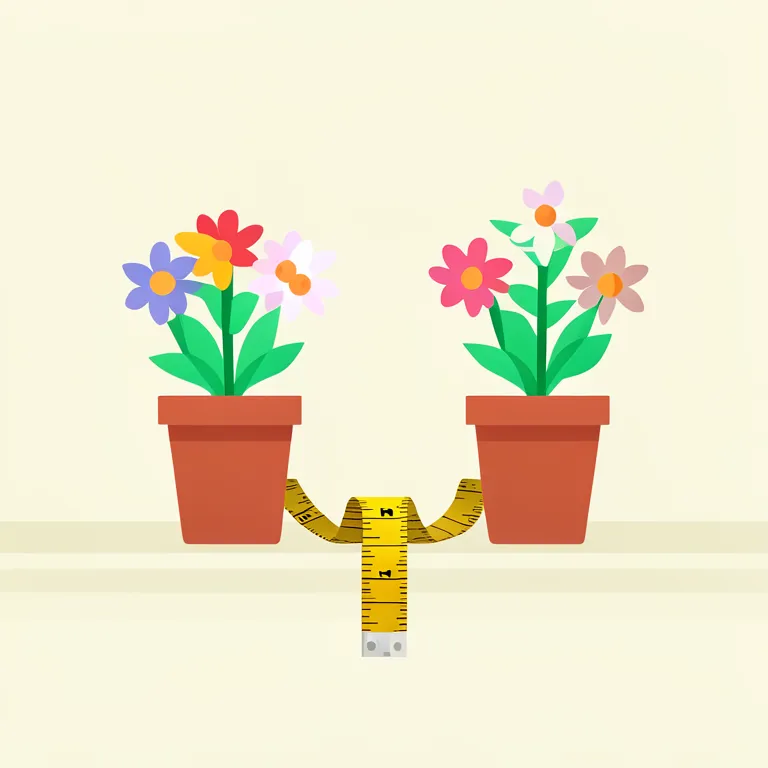
blizina
closeness, the near vicinity
nounForms
feminine noun case singular plural nom blizina blizine gen blizine blizina dat blizini blizinama acc blizinu blizine voc blizino blizine ins blizinom blizinama loc blizini blizinama 
ćošak
corner
nouna street corner — the everyday, colloquial word beside ugao
Forms
case singular plural nom ćošak ćoškovi gen ćoška ćoškova dat ćošku ćoškovima acc ćošak ćoškove voc ćošku ćoškovi ins ćoškom ćoškovima loc ćošku ćoškovima 
dno
bottom
nounForms
neuter noun case singular plural nom dno dna gen dna dana dat dnu dnima acc dno dna voc dno dna ins dnom dnima loc dnu dnima 
dole
down, below; downstairs
adverb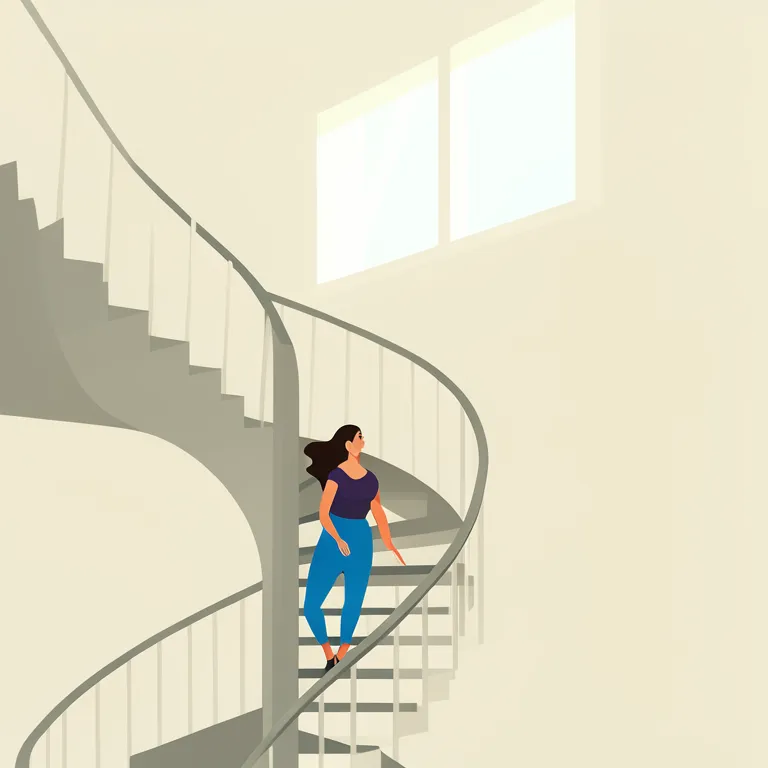
gore
up, above; upstairs
adverb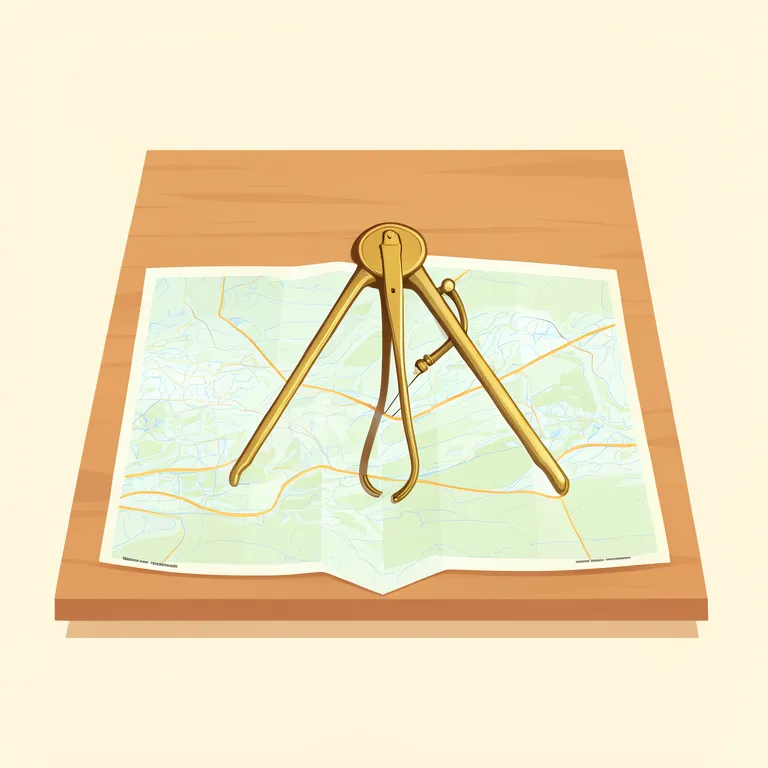
kompas
compass
nounForms
masculine noun case singular plural nom kompas kompasi gen kompasa kompasa dat kompasu kompasima acc kompas kompase voc kompase kompasi ins kompasom kompasima loc kompasu kompasima 
korak
step, pace
nounForms
masculine noun case singular plural nom korak koraci gen koraka koraka dat koraku koracima acc korak korake voc korače koraci ins korakom koracima loc koraku koracima 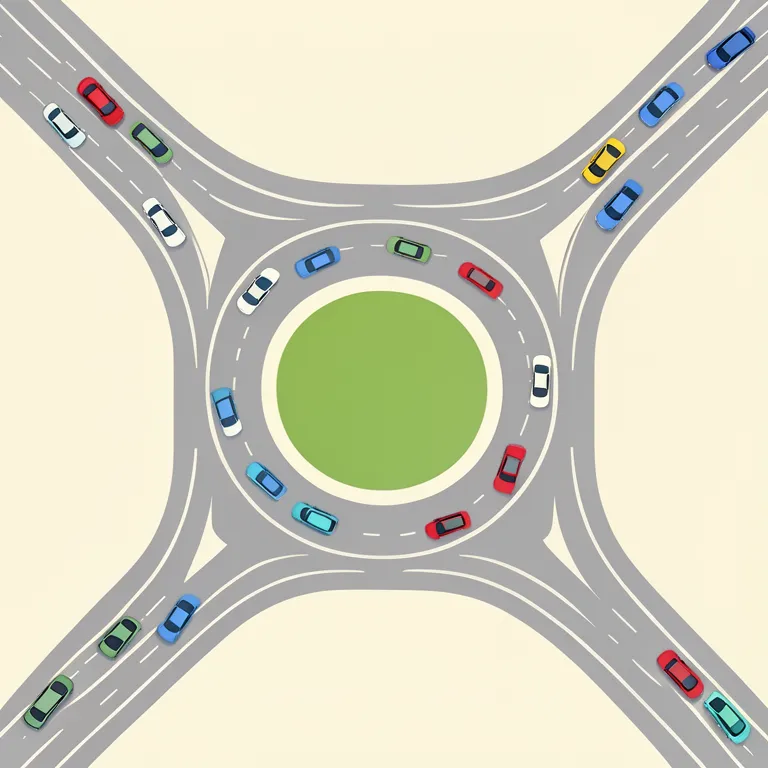
kružni tok
roundabout, traffic circle
nounForms
masculine noun case singular plural nom kružni tok — gen kružnog toka — dat kružnom toku — acc kružni tok — voc kružni toku — ins kružnim tokom — loc kružnom toku — 
kula
tower
nounForms
feminine noun case singular plural nom kula kule gen kule kula dat kuli kulama acc kulu kule voc kulo kule ins kulom kulama loc kuli kulama 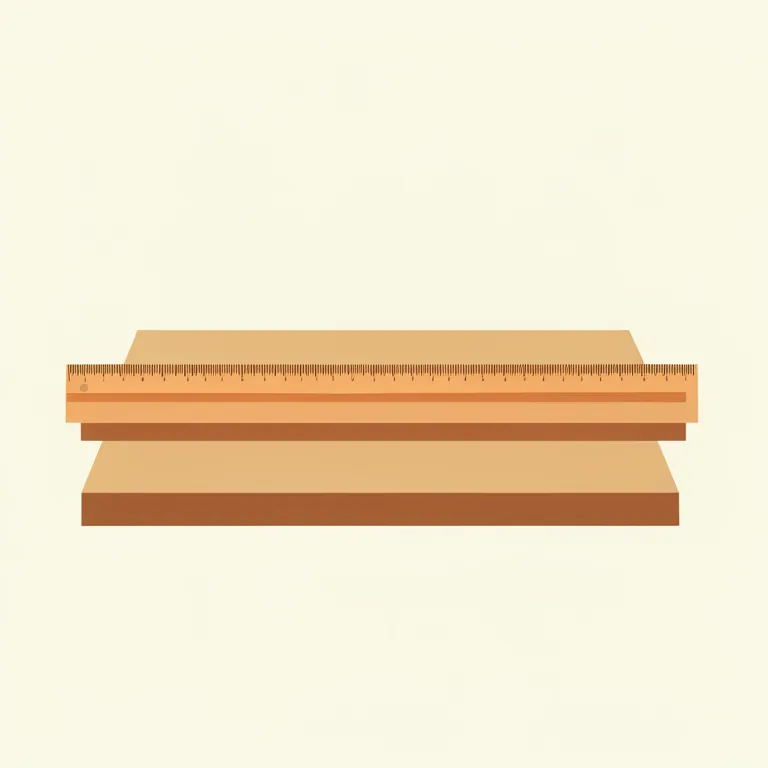
metar
metre
nounForms
masculine noun case singular plural nom metar metri gen metra metara dat metru metrima acc metar metre voc metru / metre metri ins metrom metrima loc metru metrima 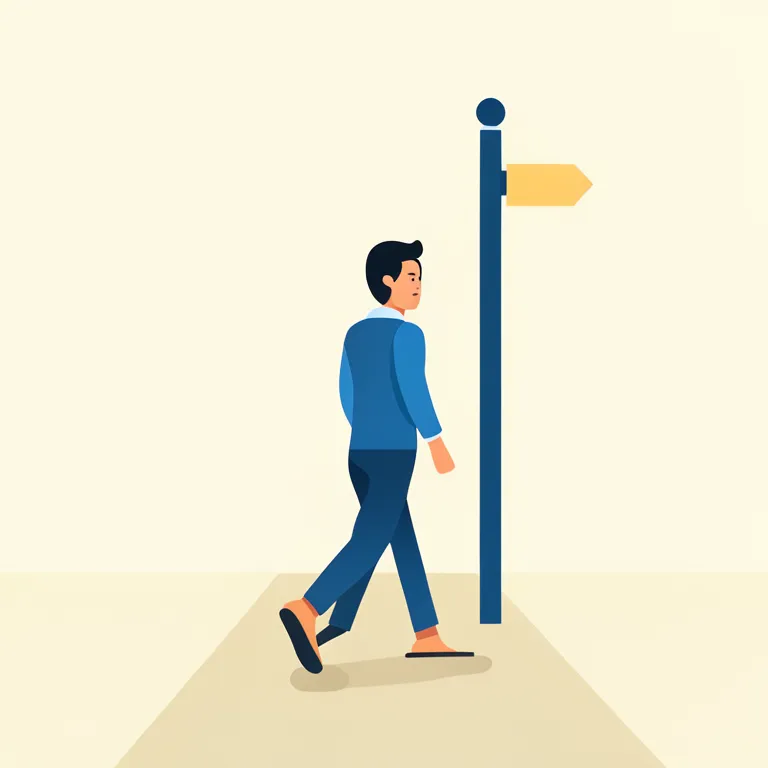
nazad
back, backwards
adverb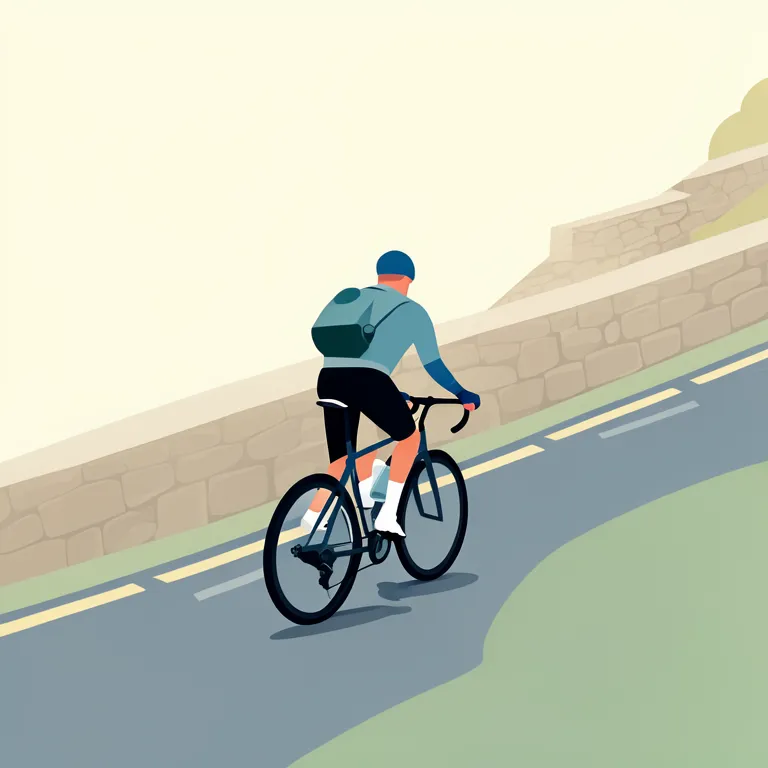
niz
down, down along
prepositionthe downward direction along something; its opposite is uz
okolina
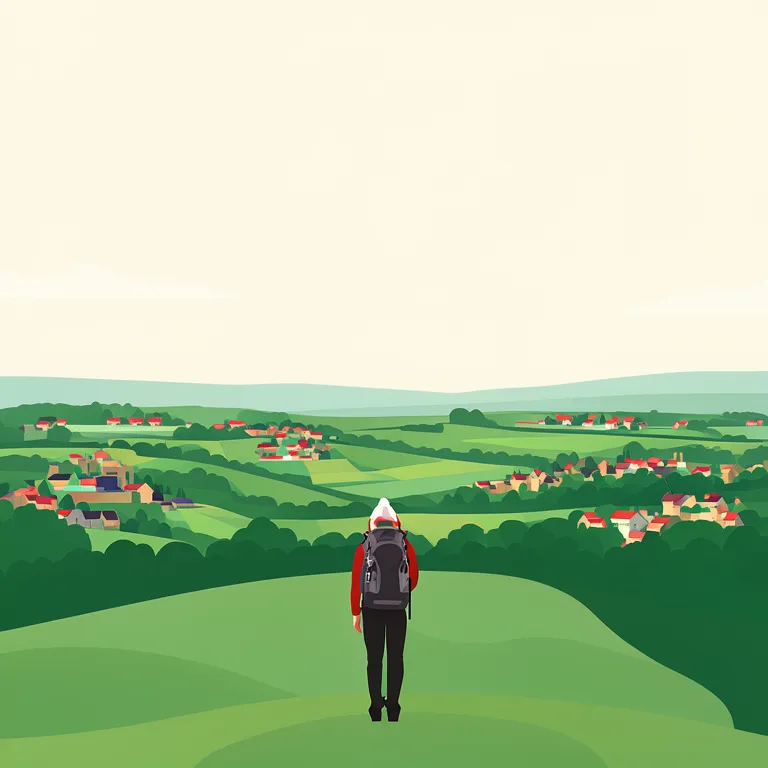
surroundings, the area around
nounForms
feminine noun case singular plural nom okolina okoline gen okoline okolina dat okolini okolinama acc okolinu okoline voc okolino okoline ins okolinom okolinama loc okolini okolinama 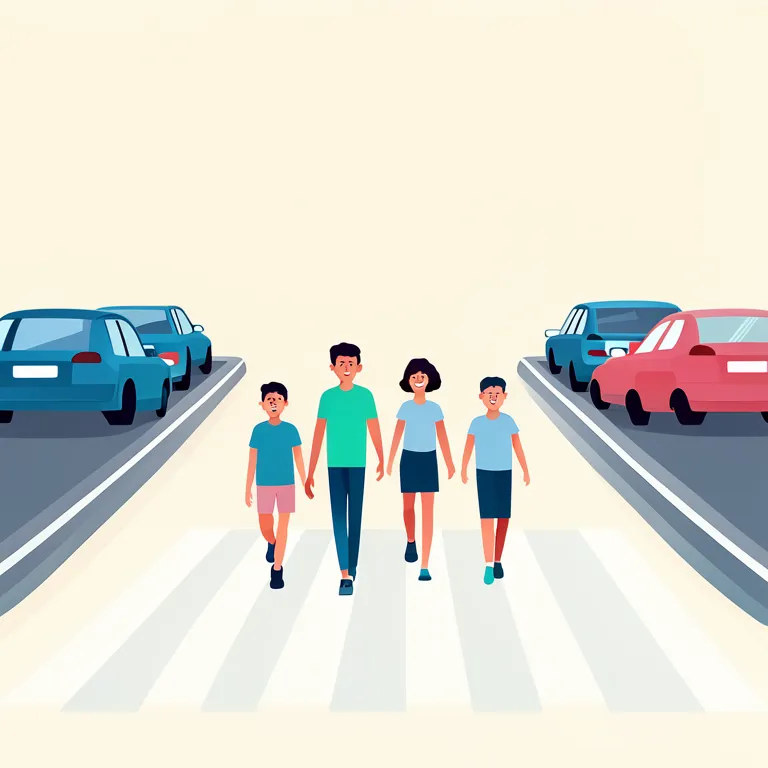
pešački prelaz
pedestrian crossing, zebra crossing
nounForms
masculine noun case singular plural nom pešački prelaz — gen pešačkog prelaza — dat pešačkom prelazu — acc pešački prelaz — voc pešački prelaze — ins pešačkim prelazom — loc pešačkom prelazu — 
predgrađe
suburb, outskirts
nounForms
neuter noun case singular plural nom predgrađe predgrađa gen predgrađa predgrađa dat predgrađu predgrađima acc predgrađe predgrađa voc predgrađe predgrađa ins predgrađem predgrađima loc predgrađu predgrađima 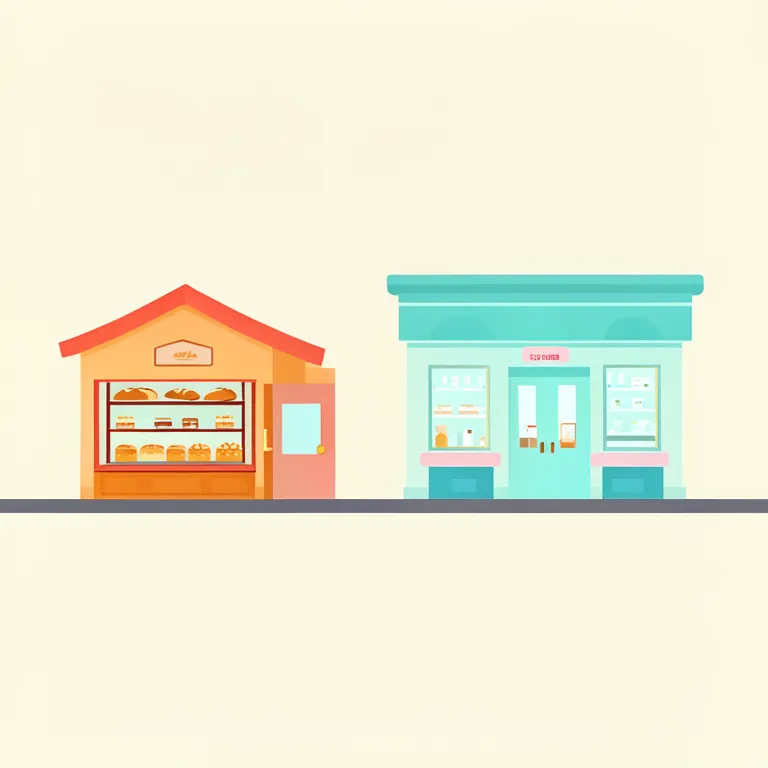
prekoputa
opposite, across the way
adverbalso written as two words, preko puta

skretanje
turn, turning
nounthe place or the act of turning off a road; the verb is skrenuti
Forms
neuter noun case singular plural nom skretanje skretanja gen skretanja skretanja dat skretanju skretanjima acc skretanje skretanja voc skretanje skretanja ins skretanjem skretanjima loc skretanju skretanjima 
sredina
middle
nounForms
feminine noun case singular plural nom sredina sredine gen sredine sredina dat sredini sredinama acc sredinu sredine voc sredino sredine ins sredinom sredinama loc sredini sredinama 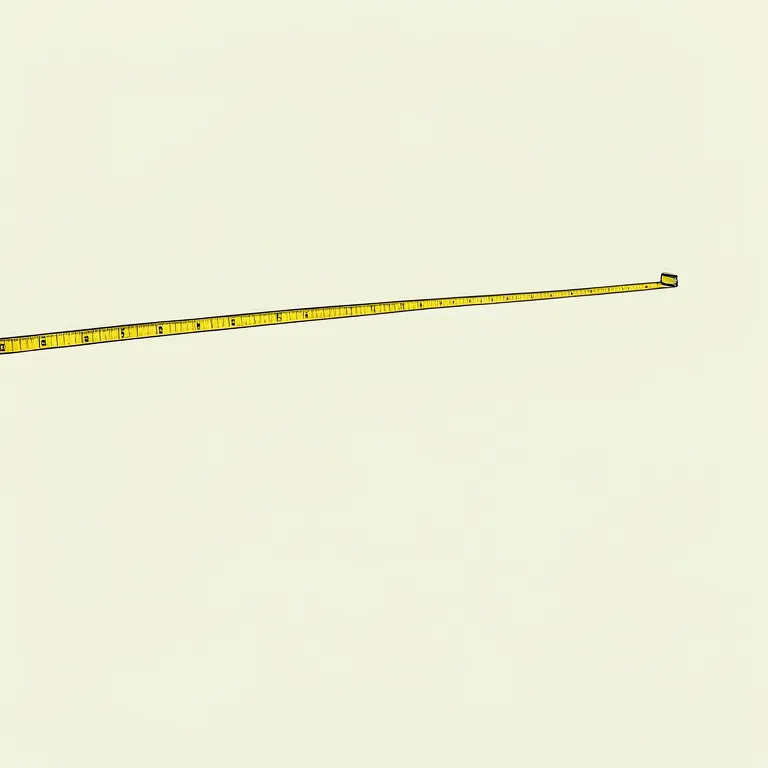
udaljenost
distance
nounForms
feminine noun case singular plural nom udaljenost udaljenosti gen udaljenosti udaljenosti dat udaljenosti udaljenostima acc udaljenost udaljenosti voc udaljenosti udaljenosti ins udaljenosti / udaljenošću udaljenostima loc udaljenosti udaljenostima 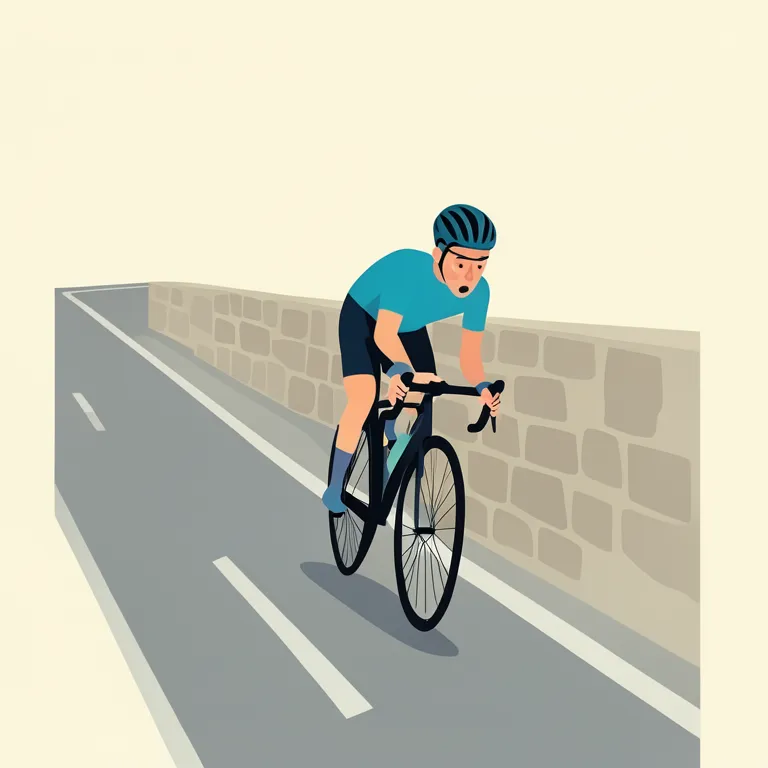
uz
up, up along; alongside
prepositionthe upward or towards direction; its opposite is niz

vrh
top, summit
nounForms
masculine noun case singular plural nom vrh vrhovi / vrsi gen vrha vrhova / vrha dat vrhu vrhovima / vrsima acc vrh vrhove / vrhe voc vrhu / vrše vrhovi / vrsi ins vrhom vrsima / vrhovima loc vrhu vrhovima / vrsima 
znamenitost
sight, landmark
nouna place worth seeing, the kind a tourist is pointed to
Forms
feminine noun case singular plural nom znamenitost znamenitosti gen znamenitosti znamenitosti dat znamenitosti znamenitostima acc znamenitost znamenitosti voc znamenitosti znamenitosti ins znamenitosti / znamenitošću znamenitostima loc znamenitosti znamenitostima
Sentences
Write it in Serbian
I'm not going without you.
you — one person you know well, not a group.
The sentence step, up close
The checking is smart. The standard is not.
A sentence from the course with a word from this topic. Type it, check it, then tap a marked word: the card behind it is the one above.
- 1
Every valid answer is accepted.
Word order, synonyms, a dropped pronoun: each sentence carries all of its accepted forms. This one takes 7.
- 2
Typos are forgiven, and flagged.
A slipped letter still counts as correct. A wrong ending never does; that is where the grammar lives.
- 3
Every miss lowers something specific.
A wrong form halves the level of that word or that rule, not of the whole sentence. Your weak spots come back sooner.
Your first 10 lessons are free, in any course. No card needed.
In the app
Add any of these words to what you are learning
- 1
Open the topic in the app's library: the same words, each with your own level on it.
- 2
Tap a word. The same card as here, with your level and the option to learn it.
- 3
Add it. It comes up in a session with its own tasks, then in repetition until it sticks.
More from the course
The grammar cards, the sample lesson, the glossary of terms and plain answers about the language.
The course →
Levels and lessons as published today, and one real lesson per level to walk through step by step.
Grammar →
Every rule the course teaches, in the order it is taught.
Guide →
Plain answers about the language: how hard it is, what to learn first, where your own language helps and where it misleads.
Grammar glossary →
The terms the grammar pages use, explained in plain English.
Start with one sentence.
Type it, get it wrong, understand why. That is the whole method.
Your first 10 lessons are free, in any course. No card needed.