100 words · 4 phrases · A1 · A2 · Lesson 1–41
Greetings and politeness
Saying hello and goodbye, thanking, apologising, wishing well, and the words for being polite.
- 100 words, each with a picture and a voice
- The forms table of every word, the one the app shows
- Each card names the lesson where the course introduces the word
Your first 10 lessons are free, in any course. No card needed.
Vocabulary by topic
The words
In the order the course introduces them. Open a card for the full forms table; the lesson link takes you to that level.
drag
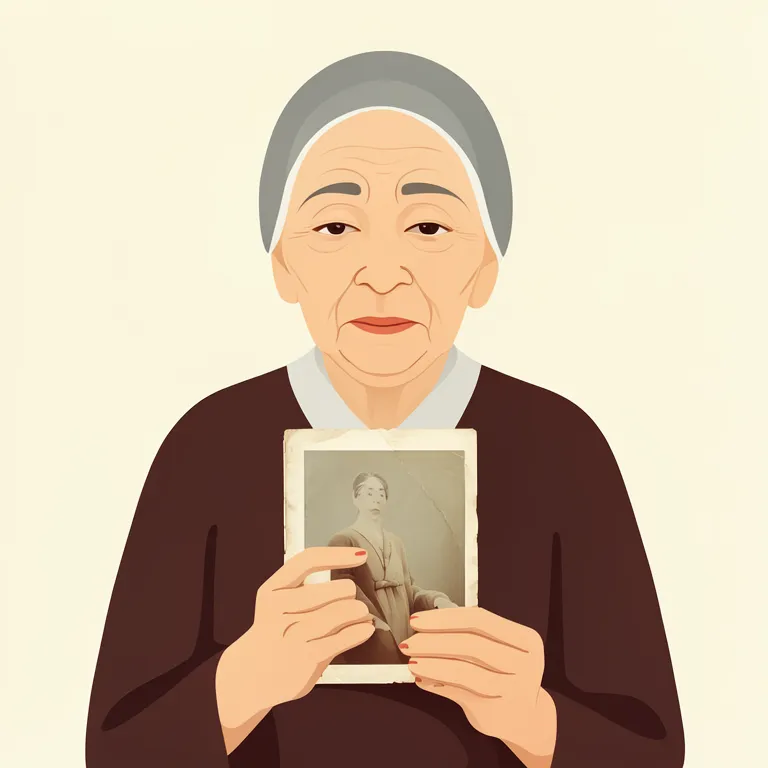
dear
adjectiveA1 · Lesson 1Ja sam Đorđe. Drago mi je.I am Đorđe. Nice to meet you.
Forms
nominative gender singular plural masculine dragi / drag dragi feminine draga drage neuter drago draga 
drago
glad, pleased
adverbA1 · Lesson 1Impersonal: the person who is pleased goes in the dative, not the nominative — literally "it is pleasing to me".
Forms
comparative draže superlative najdraže 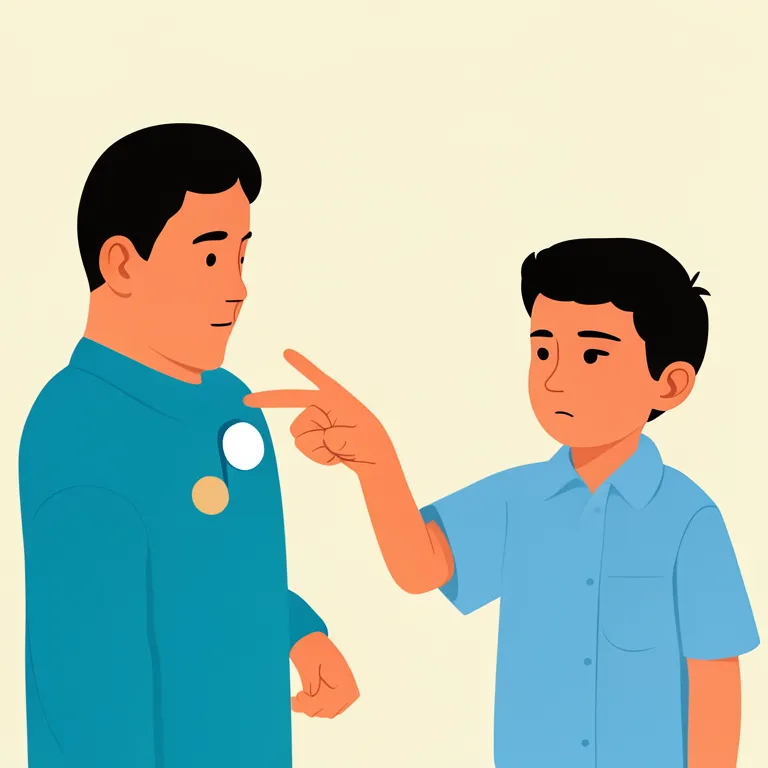
ime
name
nounA1 · Lesson 1Ime doktorke je Ana.The doctor's name is Ana.
Forms
neuter noun case singular plural nom ime imena gen imena imena dat imenu imenima acc ime imena voc ime imena ins imenom imenima loc imenu imenima 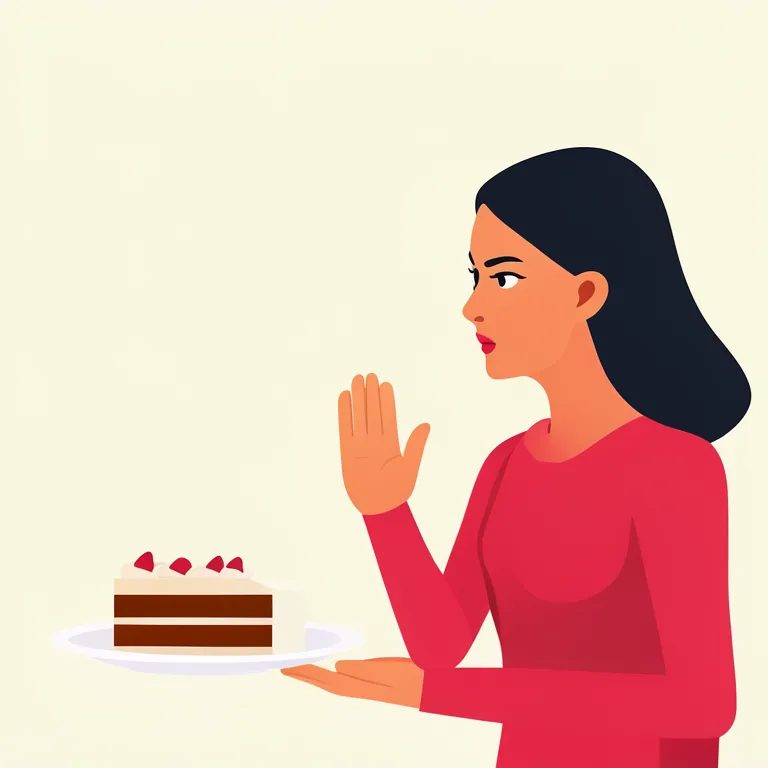
ne
not, no
particleA1 · Lesson 1Ne volim ribu.I do not like fish.

zdravo
hello, hi
interjectionA1 · Lesson 1Works for both hello and goodbye, at any time of day.
Zdravo, ovde smo!Hello, we are here!

zvati
to call
verbA1 · Lesson 1With se it means "to be called" rather than "to call someone" — the person named is the subject.
Zovem se Ljiljana.My name is Ljiljana.
Forms
infinitive: zvati · present tense person singular plural 1. zovem zovemo 2. zoveš zovete 3. zove zovu 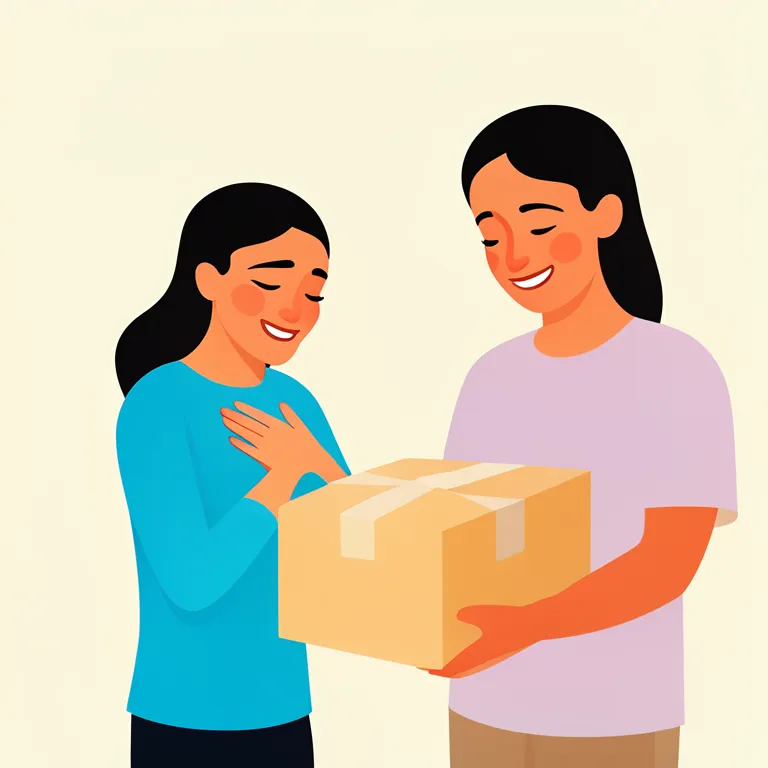
hvala
thank you
interjectionA1 · Lesson 2Dobro sam, hvala.I am well, thank you.
moliti
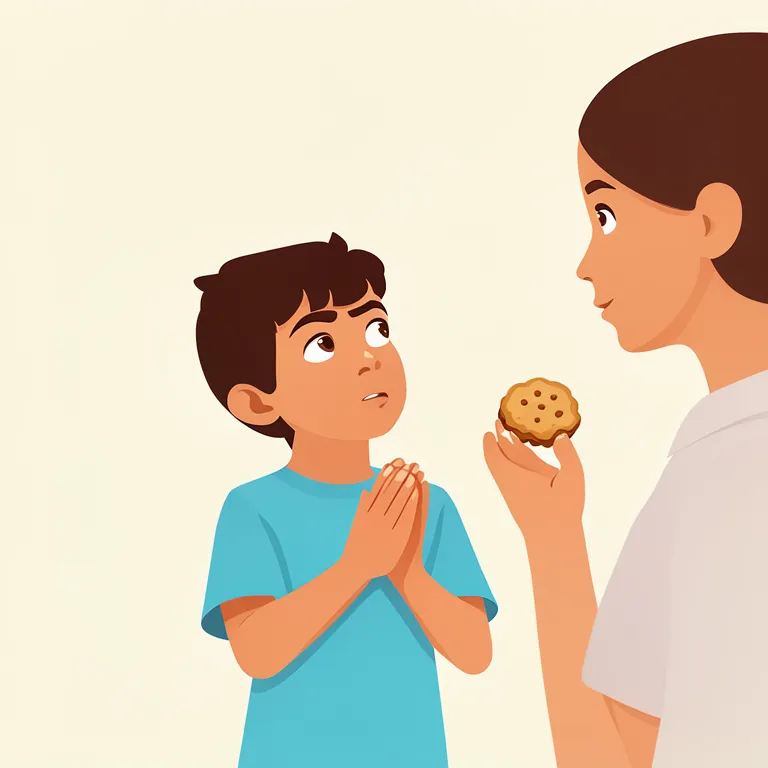
to ask, to request
verbA1 · Lesson 2Molim on its own also answers hvala: 'you're welcome'.
Govorite polako, molim vas.Speak slowly, please. (polite)
Forms
infinitive: moliti · present tense person singular plural 1. molim molimo 2. moliš molite 3. moli mole 
da
yes
particleA1 · Lesson 3Also opens a yes/no question together with li: Da li govoriš engleski?
Treba da učim.I ought to study.

gospođa
madam, Mrs
nounA1 · Lesson 3Addressing one woman: Gospođo!
Gospođo, vi ste profesorka?Madam, are you a teacher?
Forms
feminine noun case singular plural nom gospođa gospođe gen gospođe gospođa dat gospođi gospođama acc gospođu gospođe voc gospođo gospođe ins gospođom gospođama loc gospođi gospođama 
gospodin
sir, Mr
nounA1 · Lesson 3Addressing one man: Gospodine!
Gospodine, da li govorite engleski?Sir, do you speak English?
Forms
masculine noun case singular plural nom gospodin gospodini gen gospodina gospodina dat gospodinu gospodinima acc gospodina gospodine voc gospodine gospodini ins gospodinom gospodinima loc gospodinu gospodinima 
doviđenja
goodbye
interjectionA1 · Lesson 4
srećan
happy
adjectiveA1 · Lesson 8Forms
nominative gender singular plural masculine srećni / srećan srećni feminine srećna srećne neuter srećno srećna 
ljubazan
kind, friendly
adjectiveA1 · Lesson 9The a in the masculine form drops out as soon as an ending is added.
Oni prodavci su ljubazni.Those shop assistants over there are kind.
Forms
nominative gender singular plural masculine ljubazni / ljubazan ljubazni feminine ljubazna ljubazne neuter ljubazno ljubazna 
naravno
of course
adverbA1 · Lesson 10Naravno da jesmo, mi smo susedi.Of course we are, we're neighbours.
Forms
comparative naravnije superlative najnaravnije 
gost
guest
nounA1 · Lesson 11Gost poklanja domaćici cveće.The guest gives the hostess flowers.
Forms
masculine noun case singular plural nom gost gosti gen gosta gostiju / gosti dat gostu gostima acc gosta goste voc goste gosti ins gostom gostima loc gostu gostima 
prezime
surname, family name
nounA1 · Lesson 11Forms
neuter noun case singular plural nom prezime prezimena gen prezimena prezimena dat prezimenu prezimenima acc prezime prezimena voc prezime prezimena ins prezimenom prezimenima loc prezimenu prezimenima 
rođendan
birthday
nounA1 · Lesson 11Sledeću subotu slavimo rođendan.Next Saturday we are celebrating a birthday.
Forms
masculine noun case singular plural nom rođendan rođendani gen rođendana rođendana dat rođendanu rođendanima acc rođendan rođendane voc rođendane rođendani ins rođendanom rođendanima loc rođendanu rođendanima 
ćao
bye; hi
interjectionA1 · Lesson 13Informal, for friends and people your own age — used both on arriving and on leaving.
želeti
to want, to wish
verbA1 · Lesson 13An i-verb: the "I" form is želim, even though the infinitive has -e-.
Ko želi kolač?Who wants cake?
Forms
infinitive: želeti · present tense person singular plural 1. želim želimo 2. želiš želite 3. želi žele 
poklon
present, gift
nounA1 · Lesson 20Masculine and inanimate, so it looks the same as the subject form when it is the object.
Kupujem poklon bratu.I am buying my brother a present.
Forms
masculine noun case singular plural nom poklon pokloni gen poklona poklona dat poklonu poklonima acc poklon poklone voc poklone pokloni ins poklonom poklonima loc poklonu poklonima 
pozdravljati
to greet
verbA1 · Lesson 20Repeated or habitual greeting; the person greeted is a direct object.
Moja komšinica me uvek pozdravlja.My neighbour always greets me.
Forms
infinitive: pozdravljati · present tense person singular plural 1. pozdravljam pozdravljamo 2. pozdravljaš pozdravljate 3. pozdravlja pozdravljaju 
izviniti
to excuse
verbA1 · Lesson 21You will mostly meet the imperative izvinite, the polite way to get someone's attention or apologise.
Izvinite, ima li krompira?Excuse me, are there any potatoes?
Forms
infinitive: izviniti · present tense person singular plural 1. izvinim izvinimo 2. izviniš izvinite 3. izvini izvine 
nažalost
unfortunately
adverbA1 · Lesson 23Written as one word; the na is no longer felt as a preposition.
Nažalost, nema jaja.Unfortunately, there are no eggs.

izvoleti
here you are; go ahead
verbA1 · Lesson 25In practice you meet only the polite command form, said when handing something over or inviting someone to speak.
Forms
infinitive: izvoleti · present tense person singular plural 1. izvolim izvolimo 2. izvoliš izvolite 3. izvoli izvole 
čestitati
to congratulate
verbA1 · Lesson 28An a-class verb. The person is the indirect object and the occasion — a birthday, a holiday — the direct one.
Zašto ne čestitaš koleginici rođendan?Why don't you wish your colleague a happy birthday?
Forms
infinitive: čestitati · present tense person singular plural 1. čestitam čestitamo 2. čestitaš čestitate 3. čestita čestitaju 
čestitka
greeting card; congratulation
nounA1 · Lesson 28Feminine. The card you write for a birthday or a holiday; in the plural, the congratulations themselves: Čestitke!
Šaljem prijatelju čestitku.I am sending my friend a card.
Forms
feminine noun case singular plural nom čestitka čestitke gen čestitke čestitaka / čestitka dat čestitki / čestitci čestitkama acc čestitku čestitke voc čestitko čestitke ins čestitkom čestitkama loc čestitki / čestitci čestitkama 
dočekati
to meet, to greet on arrival
verbA1 · Lesson 33Waiting somewhere for someone who is arriving — at a station, at an airport, at the door.
Dočekaće nas na stanici.They will meet us at the station.
Forms
infinitive: dočekati · present tense person singular plural 1. dočekam dočekamo 2. dočekaš dočekate 3. dočeka dočekaju 
pozvati
to invite
verbA1 · Lesson 33Also 'to call' someone on the phone.
Zar te nije pozvala? Čudno.She didn't invite you? Strange. (to a friend)
Forms
infinitive: pozvati · present tense person singular plural 1. pozovem pozovemo 2. pozoveš pozovete 3. pozove pozovu 
rado
gladly, with pleasure
adverbA1 · Lesson 33On its own it is a warm way of accepting an invitation.

sreća
luck, happiness
nounA1 · Lesson 37Feminine. Its instrumental form is used on its own as an adverb, the way English uses 'luckily'.
Ona ima sreće.She is lucky.
Forms
feminine noun case singular plural nom sreća sreće gen sreće sreća dat sreći srećama acc sreću sreće voc srećo sreće ins srećom srećama loc sreći srećama 
upoznati
to get to know, to meet for the first time
verbA1 · Lesson 37With se: to meet each other, to be introduced.
Gde ste se upoznali?Where did you two meet?
Forms
infinitive: upoznati · present tense person singular plural 1. upoznam upoznamo 2. upoznaš upoznate 3. upozna upoznaju 
svakako
certainly, of course
adverbA1 · Lesson 39A friendly yes to a request — the assistant's answer across a counter.

prijatan
pleasant
adjectiveA1 · Lesson 40Agrees with its noun like any adjective.
Forms
nominative gender singular plural masculine prijatni / prijatan prijatni feminine prijatna prijatne neuter prijatno prijatna 
hajde
come on, let's go
interjectionA1 · Lesson 41A nudge to get someone moving or agreeing; hajdemo invites the group.
More words of the topic
Not introduced in a lesson yet. In the app you add them from the topic and learn them the same way as the rest.
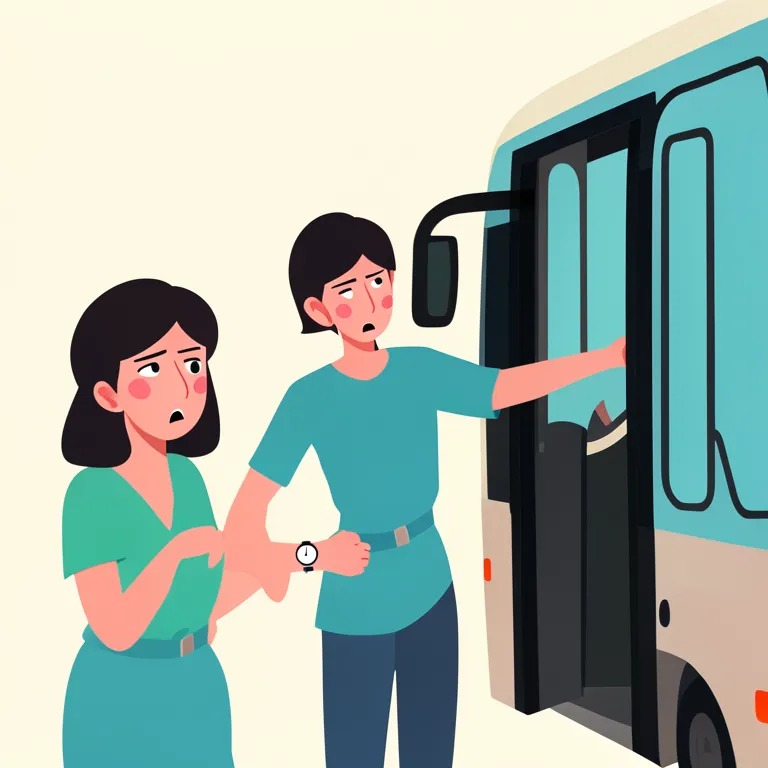
ajde
come on, let's go
interjectioncolloquial form of hajde
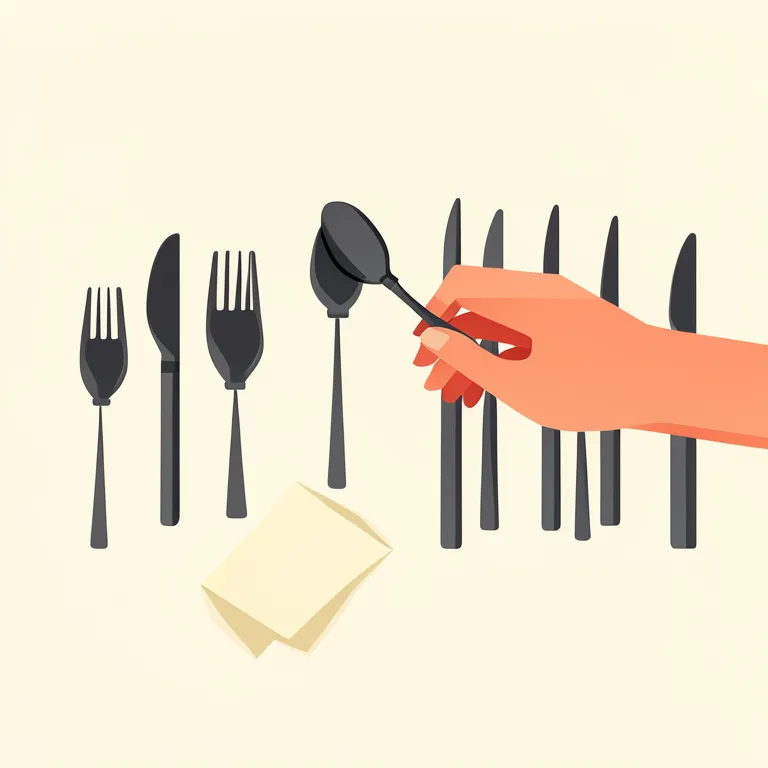
bonton
etiquette, good manners
nounForms
masculine noun case singular plural nom bonton bontoni gen bontona bontona dat bontonu bontonima acc bonton bontone voc bontone bontoni ins bontonom bontonima loc bontonu bontonima 
bravo
well done, bravo
interjectionSaid to congratulate someone; does not change.

dobrodošao
welcome
adjectivean adjective: it agrees with the person being welcomed
Forms
nominative gender singular plural masculine dobrodošao / dobrodošli dobrodošli feminine dobrodošla dobrodošle neuter dobrodošlo dobrodošla 
dobrodošlica
welcome
nounthe act of welcoming someone
Forms
feminine noun case singular plural nom dobrodošlica dobrodošlice gen dobrodošlice dobrodošlica dat dobrodošlici dobrodošlicama acc dobrodošlicu dobrodošlice voc dobrodošlico dobrodošlice ins dobrodošlicom dobrodošlicama loc dobrodošlici dobrodošlicama 
domaćin
host
nouna male host; a female host is domaćica
Forms
masculine noun case singular plural nom domaćin domaćini gen domaćina domaćina dat domaćinu domaćinima acc domaćina domaćine voc domaćine domaćini ins domaćinom domaćinima loc domaćinu domaćinima 
gospođica
miss, young lady
nounpolite address for a young or unmarried woman; older or married women are gospođa
Forms
feminine noun case singular plural nom gospođica gospođice gen gospođice gospođica dat gospođici gospođicama acc gospođicu gospođice voc gospođice gospođice ins gospođicom gospođicama loc gospođici gospođicama 
gostoljubiv
hospitable
adjectiveForms
nominative gender singular plural masculine gostoljubivi / gostoljubiv gostoljubivi feminine gostoljubiva gostoljubive neuter gostoljubivo gostoljubiva 
hej
hey
interjectioninformal; used to catch someone's attention

ispratiti
to see off, to accompany out
verbForms
infinitive: ispratiti · present tense person singular plural 1. ispratim ispratimo 2. ispratiš ispratite 3. isprati isprate 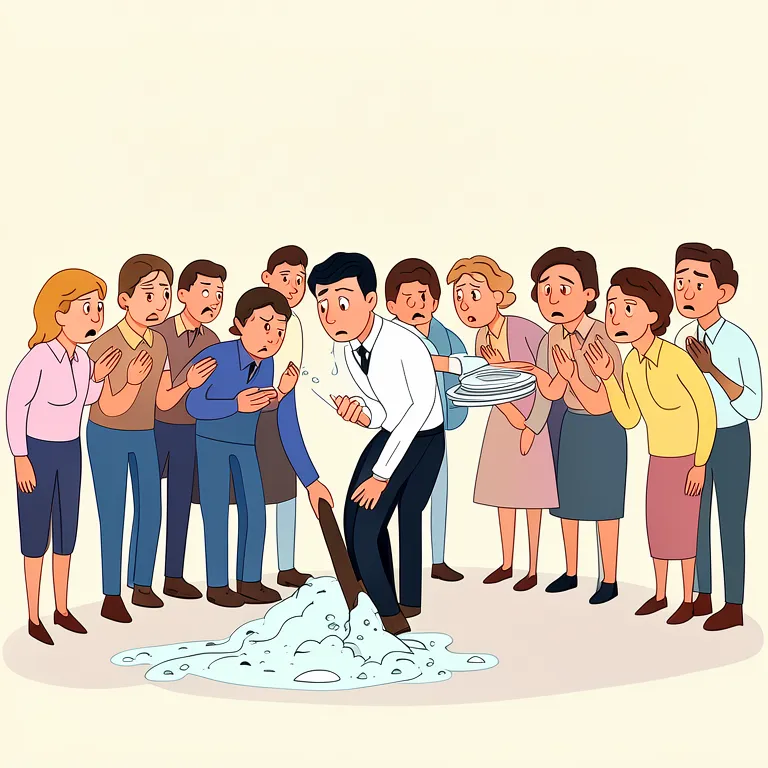
izvinjavati
to apologise
verbUsed with se: izvinjavati se nekome, to apologise to someone (dative). Imperfective; the perfective is izviniti se.
Forms
infinitive: izvinjavati · present tense person singular plural 1. izvinjavam izvinjavamo 2. izvinjavaš izvinjavate 3. izvinjava izvinjavaju 
izvinjenje
apology
nounForms
neuter noun case singular plural nom izvinjenje izvinjenja gen izvinjenja izvinjenja dat izvinjenju izvinjenjima acc izvinjenje izvinjenja voc izvinjenje izvinjenja ins izvinjenjem izvinjenjima loc izvinjenju izvinjenjima 
kompliment
compliment
nounForms
masculine noun case singular plural nom kompliment komplimenti gen komplimenta komplimenata dat komplimentu komplimentima acc kompliment komplimente voc komplimentu / komplimente komplimenti ins komplimentom komplimentima loc komplimentu komplimentima 
lepo
nicely; well
adverbForms
comparative lepše superlative najlepše 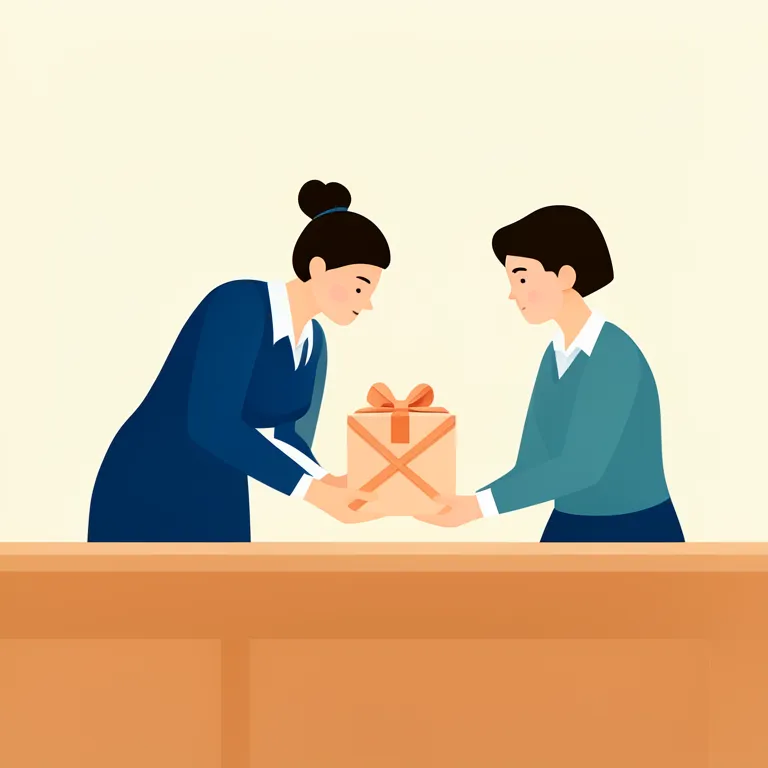
ljubazno
kindly, politely
adverbForms
comparative ljubaznije superlative najljubaznije 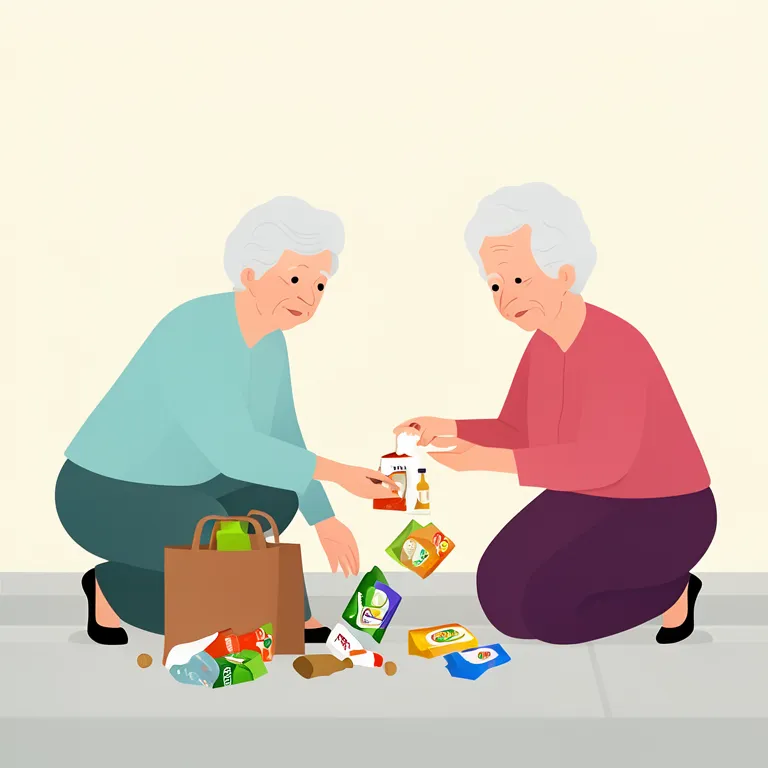
ljubaznost
kindness, courtesy
nounForms
feminine noun case singular plural nom ljubaznost ljubaznosti gen ljubaznosti ljubaznosti dat ljubaznosti ljubaznostima acc ljubaznost ljubaznosti voc ljubaznosti ljubaznosti ins ljubaznosti / ljubaznošću ljubaznostima loc ljubaznosti ljubaznostima 
molba
request; plea
nounForms
feminine noun case singular plural nom molba molbe gen molbe molba / molbi dat molbi molbama acc molbu molbe voc molbo molbe ins molbom molbama loc molbi molbama 
nazdraviti
to make a toast, to drink to someone's health
verbForms
infinitive: nazdraviti · present tense person singular plural 1. nazdravim nazdravimo 2. nazdraviš nazdravite 3. nazdravi nazdrave 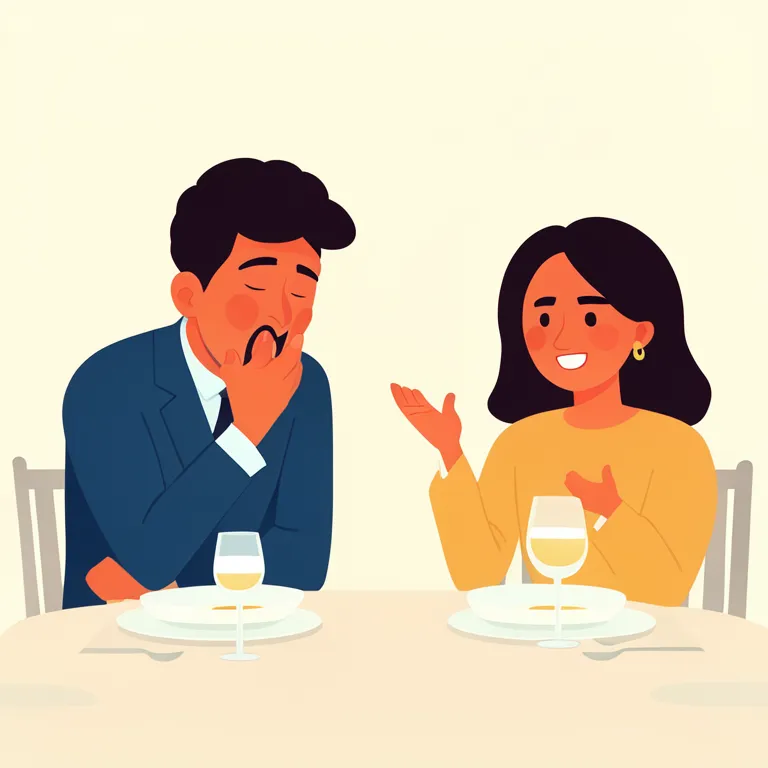
nazdravlje
bless you; cheers
interjectionsaid when someone sneezes, or when raising a glass

nepristojan
rude, impolite
adjectiveForms
nominative gender singular plural masculine nepristojni / nepristojan nepristojni feminine nepristojna nepristojne neuter nepristojno nepristojna 
obratiti
to address, to turn to
verbwith se and the dative: obratiti se nekome 'to address someone, to turn to someone'
Forms
infinitive: obratiti · present tense person singular plural 1. obratim obratimo 2. obratiš obratite 3. obrati obrate 
opraštati
to forgive
verbimperfective of oprostiti; reflexive it means to say goodbye
Forms
infinitive: opraštati · present tense person singular plural 1. opraštam opraštamo 2. opraštaš opraštate 3. oprašta opraštaju 
oprostiti
to forgive, to excuse
verboprostite / oprosti 'sorry, excuse me' — a slightly more apologetic alternative to izvinite
Forms
infinitive: oprostiti · present tense person singular plural 1. oprostim oprostimo 2. oprostiš oprostite 3. oprosti oproste 
osloviti
to address (someone by name or title)
verbForms
infinitive: osloviti · present tense person singular plural 1. oslovim oslovimo 2. osloviš oslovite 3. oslovi oslove 
osmeh
smile
nounForms
masculine noun case singular plural nom osmeh osmesi gen osmeha osmeha dat osmehu osmesima acc osmeh osmehe voc osmehu osmesi ins osmehom osmesima loc osmehu osmesima 
pardon
pardon, sorry
nounused as an exclamation when you bump into someone or did not hear them
Forms
masculine noun case singular plural nom pardon pardoni gen pardona pardona dat pardonu pardonima acc pardon pardone voc pardone pardoni ins pardonom pardonima loc pardonu pardonima 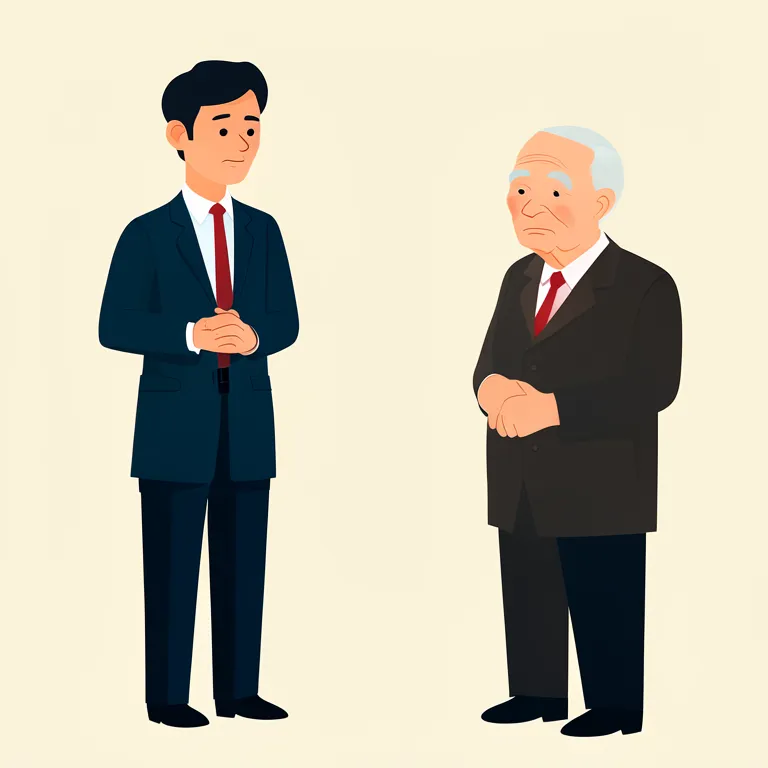
persiranje
addressing someone formally as Vi
nounthe formal 'you' of address, not the plural
Forms
neuter noun case singular plural nom persiranje persiranja gen persiranja persiranja dat persiranju persiranjima acc persiranje persiranja voc persiranje persiranja ins persiranjem persiranjima loc persiranju persiranjima 
persirati
to address someone formally as Vi
verbto use the polite 'you' with someone, as opposed to the familiar ti
Forms
infinitive: persirati · present tense person singular plural 1. persiram persiramo 2. persiraš persirate 3. persira persiraju 
počastiti
to treat (someone to something); to honour
verbForms
infinitive: počastiti · present tense person singular plural 1. počastim počastimo 2. počastiš počastite 3. počasti počaste 
poljubac
kiss
nounForms
masculine noun case singular plural nom poljubac poljupci gen poljupca poljubaca dat poljupcu poljupcima acc poljupca poljupce voc poljupče poljupci ins poljupcem poljupcima loc poljupcu poljupcima 
poljubiti
to kiss
verbForms
infinitive: poljubiti · present tense person singular plural 1. poljubim poljubimo 2. poljubiš poljubite 3. poljubi poljube 
ponuditi
to offer
verbForms
infinitive: ponuditi · present tense person singular plural 1. ponudim ponudimo 2. ponudiš ponudite 3. ponudi ponude 
poštovanje
respect
nouns poštovanjem 'yours sincerely' closes a formal letter
Forms
neuter noun case singular plural nom poštovanje poštovanja gen poštovanja poštovanja dat poštovanju poštovanjima acc poštovanje poštovanja voc poštovanje poštovanja ins poštovanjem poštovanjima loc poštovanju poštovanjima 
pozdrav
greeting; regards
nounForms
masculine noun case singular plural nom pozdrav pozdravi gen pozdrava pozdrava dat pozdravu pozdravima acc pozdrav pozdrave voc pozdrave pozdravi ins pozdravom pozdravima loc pozdravu pozdravima 
pozdraviti
to greet, to say hello to
verbPerfective. Pozdravi ga! = say hi to him.
Forms
infinitive: pozdraviti · present tense person singular plural 1. pozdravim pozdravimo 2. pozdraviš pozdravite 3. pozdravi pozdrave 
poželeti
to wish (someone something)
verbperfective of želeti; the person wished well is in the dative
Forms
infinitive: poželeti · present tense person singular plural 1. poželim poželimo 2. poželiš poželite 3. poželi požele 
predstaviti
to introduce, to present
verbreflexive when introducing oneself
Forms
infinitive: predstaviti · present tense person singular plural 1. predstavim predstavimo 2. predstaviš predstavite 3. predstavi predstave 
prijatno
enjoy your meal; have a nice time
adverbsaid before eating, or as a friendly goodbye
Forms
comparative prijatnije superlative najprijatnije 
pristojan
polite, decent
adjectiveForms
nominative gender singular plural masculine pristojan / pristojni pristojni feminine pristojna pristojne neuter pristojno pristojna 
pristojnost
decency, good manners
nounForms
feminine noun case singular plural nom pristojnost pristojnosti gen pristojnosti pristojnosti dat pristojnosti pristojnostima acc pristojnost pristojnosti voc pristojnosti pristojnosti ins pristojnošću / pristojnosti pristojnostima loc pristojnosti pristojnostima 
rastanak
parting, farewell
nounForms
masculine noun case singular plural nom rastanak rastanci gen rastanka rastanaka dat rastanku rastancima acc rastanak rastanke voc rastanku / rastanče rastanci ins rastankom rastancima loc rastanku rastancima 
rukovanje
handshake
nounForms
neuter noun case singular plural nom rukovanje rukovanja gen rukovanja rukovanja dat rukovanju rukovanjima acc rukovanje rukovanja voc rukovanje rukovanja ins rukovanjem rukovanjima loc rukovanju rukovanjima 
rukovati
to shake hands
verbreflexive: rukovati se
Forms
infinitive: rukovati · present tense person singular plural 1. rukujem rukujemo 2. rukuješ rukujete 3. rukuje rukuju 
saučešće
condolences, sympathy
nounForms
neuter noun case singular plural nom saučešće saučešća gen saučešća saučešća dat saučešću saučešćima acc saučešće saučešća voc saučešće saučešća ins saučešćem saučešćima loc saučešću saučešćima 
srdačan
cordial, warm-hearted
adjectiveForms
nominative gender singular plural masculine srdačan / srdačni srdačni feminine srdačna srdačne neuter srdačno srdačna 
srdačno
warmly, cordially
adverbcommon in the closing of a letter
Forms
comparative srdačnije superlative najsrdačnije 
srećno
good luck; happily
adverbForms
comparative srećnije superlative najsrećnije 
susret
meeting, encounter
nounForms
masculine noun case singular plural nom susret susreti gen susreta susreta dat susretu susretima acc susret susrete voc susrete susreti ins susretom susretima loc susretu susretima 
učtiv
polite, courteous
adjectiveForms
nominative gender singular plural masculine učtiv / učtivi učtivi feminine učtiva učtive neuter učtivo učtiva 
učtivost
politeness, courtesy
nounThe noun from učtiv 'polite'; feminine.
Forms
feminine noun case singular plural nom učtivost učtivosti gen učtivosti učtivosti dat učtivosti učtivostima acc učtivost učtivosti voc učtivosti učtivosti ins — učtivostima loc učtivosti učtivostima 
uljudan
polite, civil
adjectiveForms
nominative gender singular plural masculine uljudan / uljudni uljudni feminine uljudna uljudne neuter uljudno uljudna 
upoznavanje
getting acquainted, introduction
nounmeeting someone for the first time, not a book's introduction
Forms
neuter noun case singular plural nom upoznavanje upoznavanja gen upoznavanja upoznavanja dat upoznavanju upoznavanjima acc upoznavanje upoznavanja voc upoznavanje upoznavanja ins upoznavanjem upoznavanjima loc upoznavanju upoznavanjima 
uvažavati
to respect, to hold in regard
verbForms
infinitive: uvažavati · present tense person singular plural 1. uvažavam uvažavamo 2. uvažavaš uvažavate 3. uvažava uvažavaju 
uvažen
respected, esteemed
adjectiveformal; used in addressing someone in a letter or speech
Forms
nominative gender singular plural masculine uvaženi / uvažen uvaženi feminine uvažena uvažene neuter uvaženo uvažena 
zagrliti
to hug, to embrace
verbForms
infinitive: zagrliti · present tense person singular plural 1. zagrlim zagrlimo 2. zagrliš zagrlite 3. zagrli zagrle 
zagrljaj
hug, embrace
nounForms
masculine noun case singular plural nom zagrljaj zagrljaji gen zagrljaja zagrljaja dat zagrljaju zagrljajima acc zagrljaj zagrljaje voc zagrljaju zagrljaji ins zagrljajem zagrljajima loc zagrljaju zagrljajima 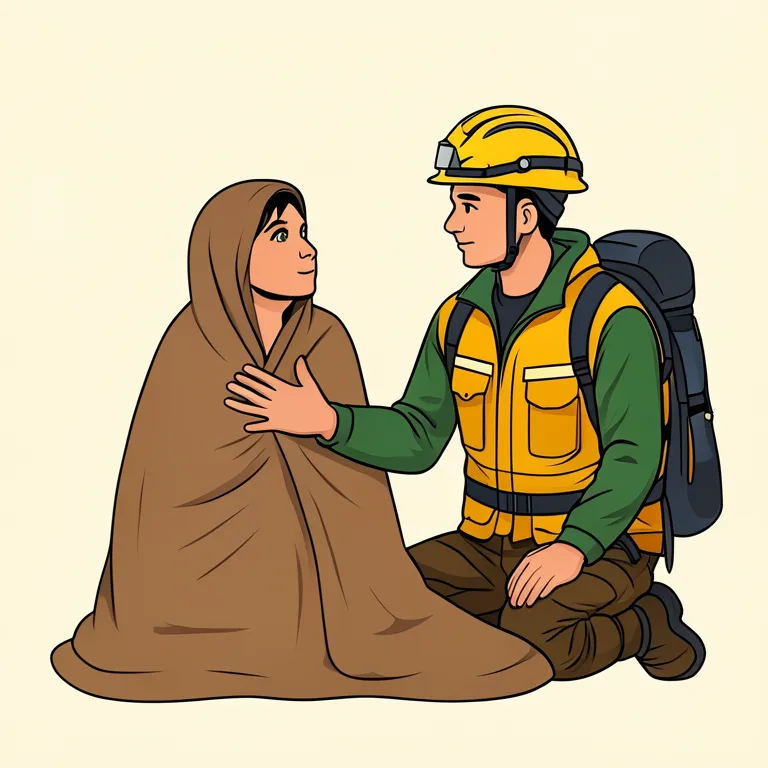
zahvalan
grateful, thankful
adjectiveWhat you are grateful for follows za plus the accusative.
Forms
nominative gender singular plural masculine zahvalan / zahvalni zahvalni feminine zahvalna zahvalne neuter zahvalno zahvalna 
zahvaliti
to thank
verbUsually with se. The person thanked stands in the dative; what you thank them for follows na plus the locative.
Forms
infinitive: zahvaliti · present tense person singular plural 1. zahvalim zahvalimo 2. zahvališ zahvalite 3. zahvali zahvale 
zahvaljivati
to thank
verbimperfective; the perfective is zahvaliti
Forms
infinitive: zahvaljivati · present tense person singular plural 1. zahvaljujem zahvaljujemo 2. zahvaljuješ zahvaljujete 3. zahvaljuje zahvaljuju 
zahvalnost
gratitude, thankfulness
nounForms
feminine noun case singular plural nom zahvalnost zahvalnosti gen zahvalnosti zahvalnosti dat zahvalnosti zahvalnostima acc zahvalnost zahvalnosti voc zahvalnosti zahvalnosti ins zahvalnosti / zahvalnošću zahvalnostima loc zahvalnosti zahvalnostima 
zamoliti
to ask, to request
verbPerfective of moliti. The thing asked for follows za plus the accusative.
Forms
infinitive: zamoliti · present tense person singular plural 1. zamolim zamolimo 2. zamoliš zamolite 3. zamoli zamole 
žao
sorry
adverbžao mi je: I'm sorry, I regret it — the person who is sorry is in the dative
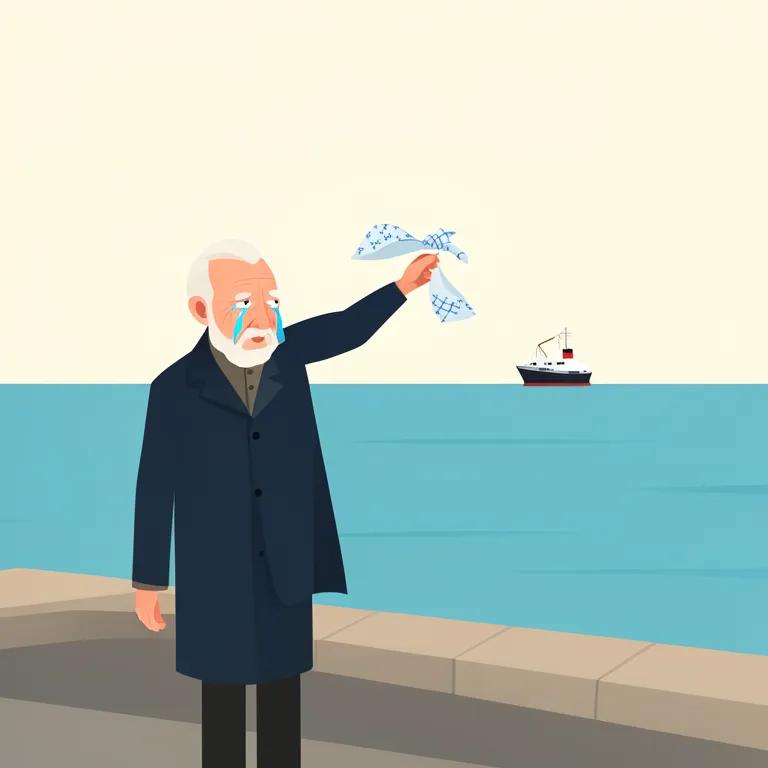
zbogom
farewell, goodbye
particlea final or solemn goodbye, not the everyday one

zdravlje
health
nounForms
neuter noun case singular plural nom zdravlje zdravlja gen zdravlja zdravlja dat zdravlju zdravljima acc zdravlje zdravlja voc zdravlje zdravlja ins zdravljem zdravljima loc zdravlju zdravljima 
želja
wish, desire
nounForms
feminine noun case singular plural nom želja želje gen želje želja dat želji željama acc želju želje voc željo želje ins željom željama loc želji željama
Drago mi je
Nice to meet you
nema na čemu
you're welcome
molim vas
excuse me; please
srećan put
have a good trip, bon voyage
Sentences
Write it in Serbian
What do you want to do?
Asked politely, or of more than one person.
The sentence step, up close
The checking is smart. The standard is not.
A sentence from the course with a word from this topic. Type it, check it, then tap a marked word: the card behind it is the one above.
- 1
Every valid answer is accepted.
Word order, synonyms, a dropped pronoun: each sentence carries all of its accepted forms. This one takes 12.
- 2
Typos are forgiven, and flagged.
A slipped letter still counts as correct. A wrong ending never does; that is where the grammar lives.
- 3
Every miss lowers something specific.
A wrong form halves the level of that word or that rule, not of the whole sentence. Your weak spots come back sooner.
Your first 10 lessons are free, in any course. No card needed.
In the app
Add any of these words to what you are learning
- 1
Open the topic in the app's library: the same words, each with your own level on it.
- 2
Tap a word. The same card as here, with your level and the option to learn it.
- 3
Add it. It comes up in a session with its own tasks, then in repetition until it sticks.
More from the course
The grammar cards, the sample lesson, the glossary of terms and plain answers about the language.
The course →
Levels and lessons as published today, and one real lesson per level to walk through step by step.
Grammar →
Every rule the course teaches, in the order it is taught.
Guide →
Plain answers about the language: how hard it is, what to learn first, where your own language helps and where it misleads.
Grammar glossary →
The terms the grammar pages use, explained in plain English.
Start with one sentence.
Type it, get it wrong, understand why. That is the whole method.
Your first 10 lessons are free, in any course. No card needed.