92 words · A1 · Lesson 1–38
Family
Family members, relatives and in-laws, and the words for the ties between them — parents and children, siblings, grandparents, marriage and kinship.
- 92 words, each with a picture and a voice
- The forms table of every word, the one the app shows
- Each card names the lesson where the course introduces the word
Your first 10 lessons are free, in any course. No card needed.
Vocabulary by topic
The words
In the order the course introduces them. Open a card for the full forms table; the lesson link takes you to that level.
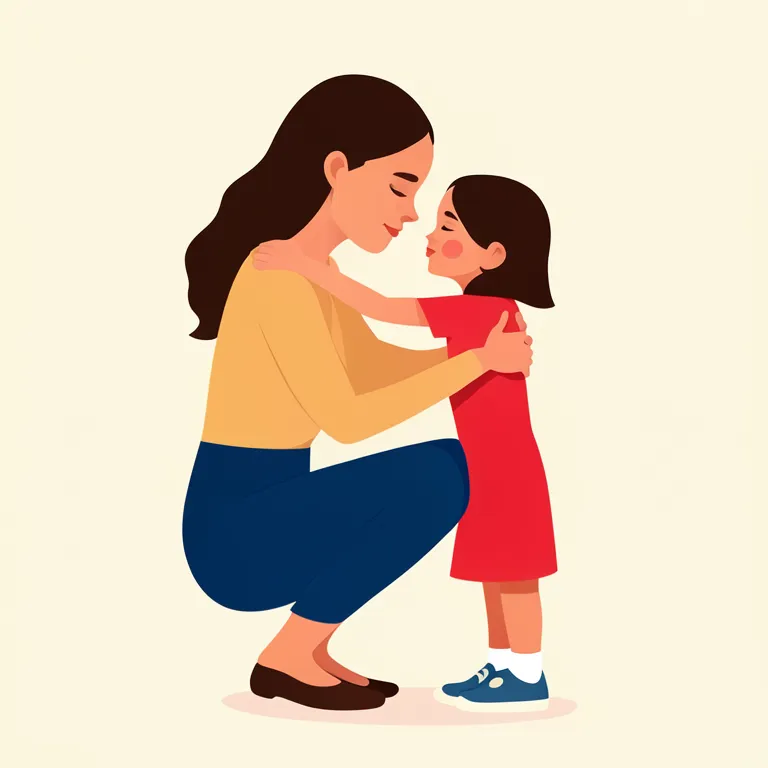
ćerka
daughter
nounA1 · Lesson 1Imam sina i ćerku.I have a son and a daughter.
Forms
feminine noun case singular plural nom ćerka ćerke gen ćerke ćerki / ćerka dat ćerci ćerkama acc ćerku ćerke voc ćerko ćerke ins ćerkom ćerkama loc ćerci ćerkama 
voleti
to like, to love
verbA1 · Lesson 1Ne volim ribu.I do not like fish.
Forms
infinitive: voleti · present tense person singular plural 1. volim volimo 2. voliš volite 3. voli vole 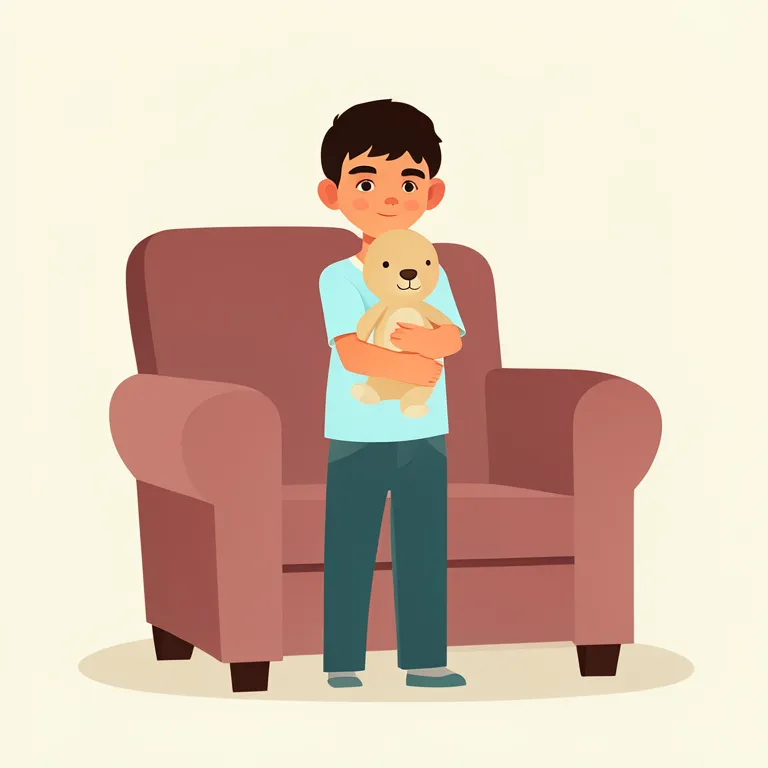
dete
child
nounA1 · Lesson 3Neuter, so the pronoun is ono. The plural is deca, which counts as neuter plural: ona.
Oni nemaju decu.They do not have children.
Forms
neuter noun case singular plural nom dete deca gen deteta dece dat detetu deci acc dete decu voc dete deco ins detetom decom loc detetu deci 
tata
dad
nounA1 · Lesson 6Tata nije ovde.Dad is not here.
Forms
masculine noun case singular plural nom tata tate gen tate tata dat tati tatama acc tatu tate voc tato tate ins tatom tatama loc tati tatama 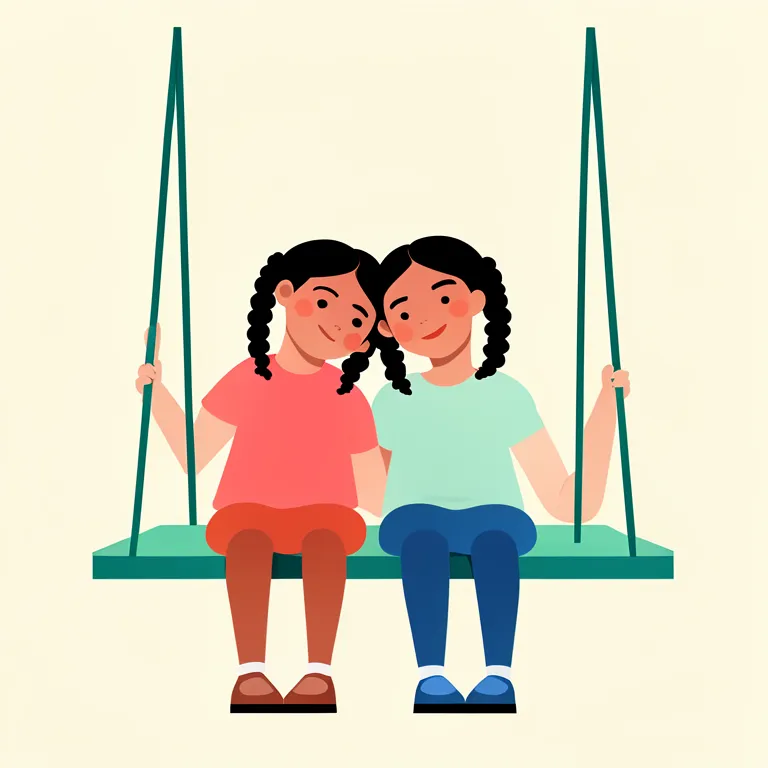
sestra
sister
nounA1 · Lesson 8Moje sestre plešu.My sisters are dancing.
Forms
feminine noun case singular plural nom sestra sestre gen sestre sestri / sestra dat sestri sestrama acc sestru sestre voc sestro sestre ins sestrom sestrama loc sestri sestrama 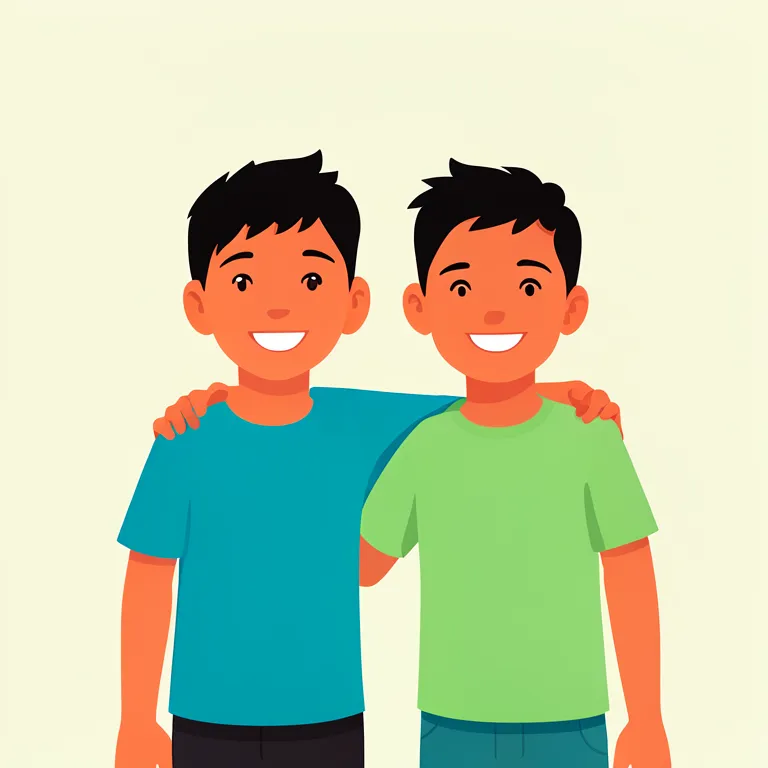
brat
brother
nounA1 · Lesson 11Imam dva brata.I have two brothers.
Forms
masculine noun case singular plural nom brat — gen brata — dat bratu — acc brata — voc brate — ins bratom — loc bratu — 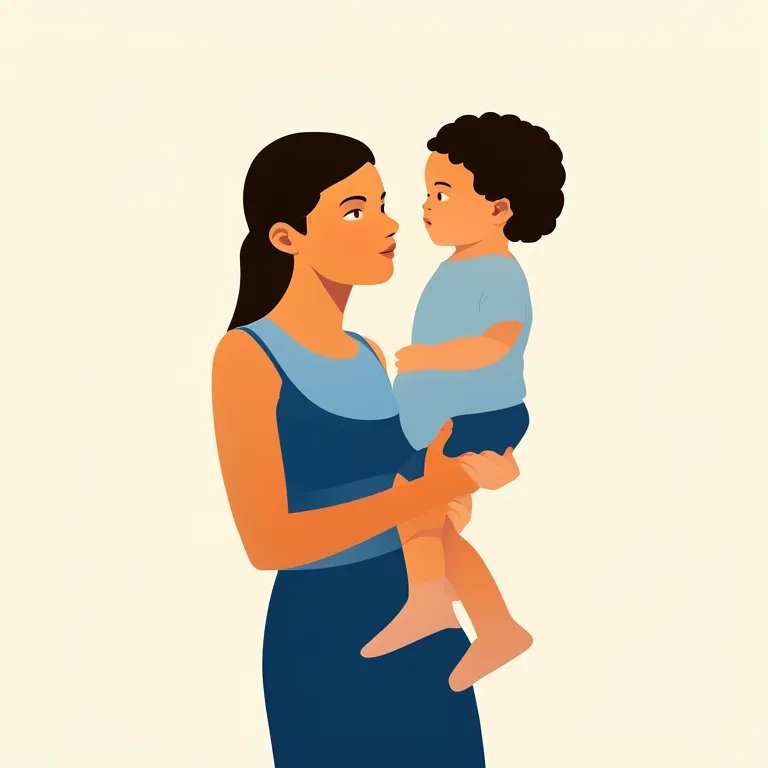
majka
mother
nounA1 · Lesson 11Pišem majci lepu čestitku.I am writing my mother a nice card.
Forms
feminine noun case singular plural nom majka majke gen majke majka / majki dat majci majkama acc majku majke voc majko majke ins majkom majkama loc majci majkama 
otac
father
nounA1 · Lesson 11Zašto ne pišeš ocu?Why don't you write to your father?
Forms
masculine noun case singular plural nom otac oci / očevi gen oca otaca / očeva dat ocu očevima acc oca očeve voc oče očevi ins ocem očevima loc ocu očevima 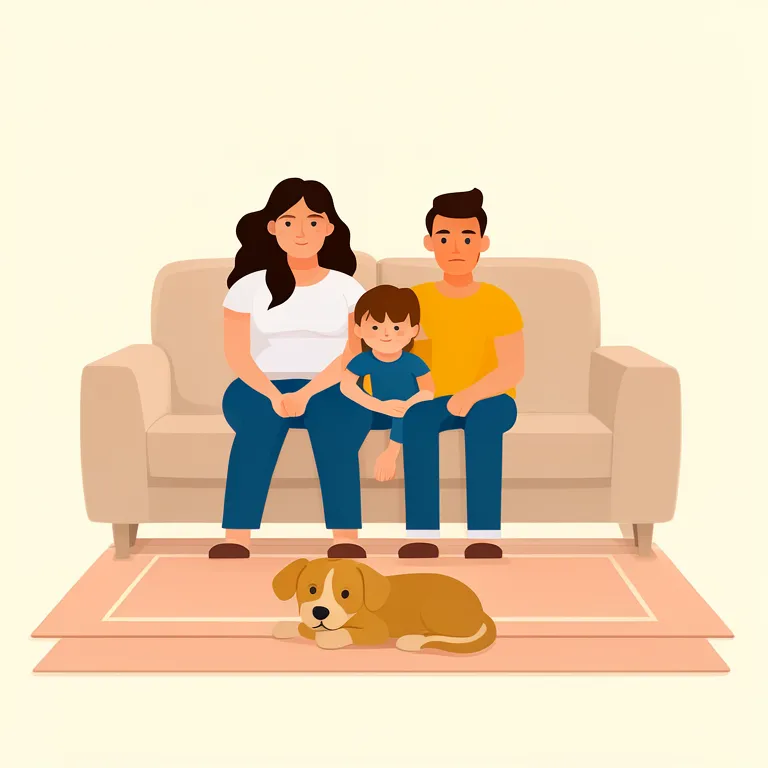
porodica
family
nounA1 · Lesson 11Ona ima veliku porodicu.She has a big family.
Forms
feminine noun case singular plural nom porodica porodice gen porodice porodica dat porodici porodicama acc porodicu porodice voc porodice porodice ins porodicom porodicama loc porodici porodicama 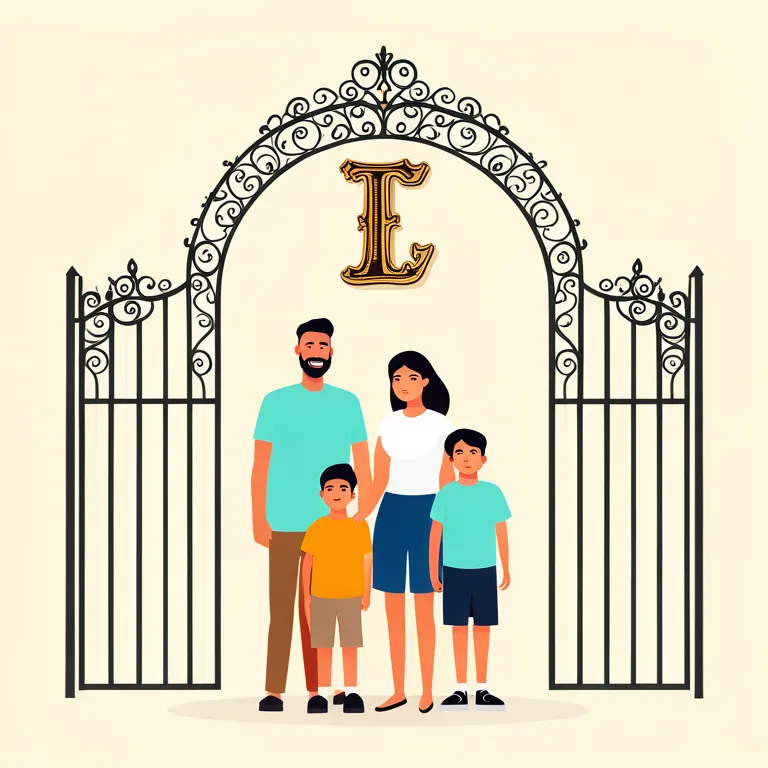
prezime
surname, family name
nounA1 · Lesson 11Forms
neuter noun case singular plural nom prezime prezimena gen prezimena prezimena dat prezimenu prezimenima acc prezime prezimena voc prezime prezimena ins prezimenom prezimenima loc prezimenu prezimenima 
roditelj
parent
nounA1 · Lesson 11Kako su tvoji roditelji?How are your parents?
Forms
masculine noun case singular plural nom roditelj roditelji gen roditelja roditelja dat roditelju roditeljima acc roditelja roditelje voc roditelju roditelji ins roditeljem roditeljima loc roditelju roditeljima 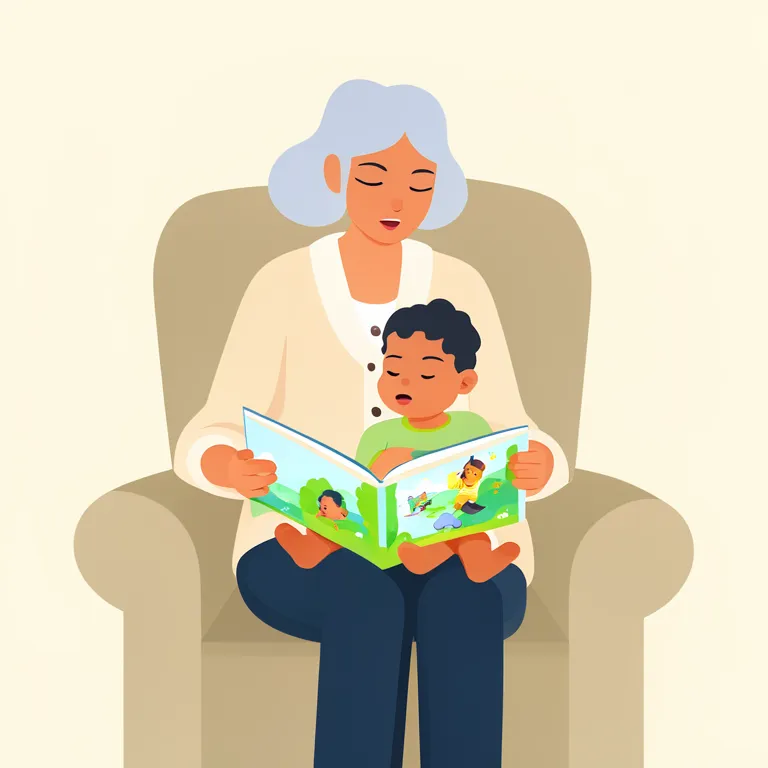
baka
grandmother, grandma
nounA1 · Lesson 16Kupujem parfem za baku.I'm buying perfume for grandma.
Forms
feminine noun case singular plural nom baka bake gen bake baka dat baki bakama acc baku bake voc bako bake ins bakom bakama loc baki bakama 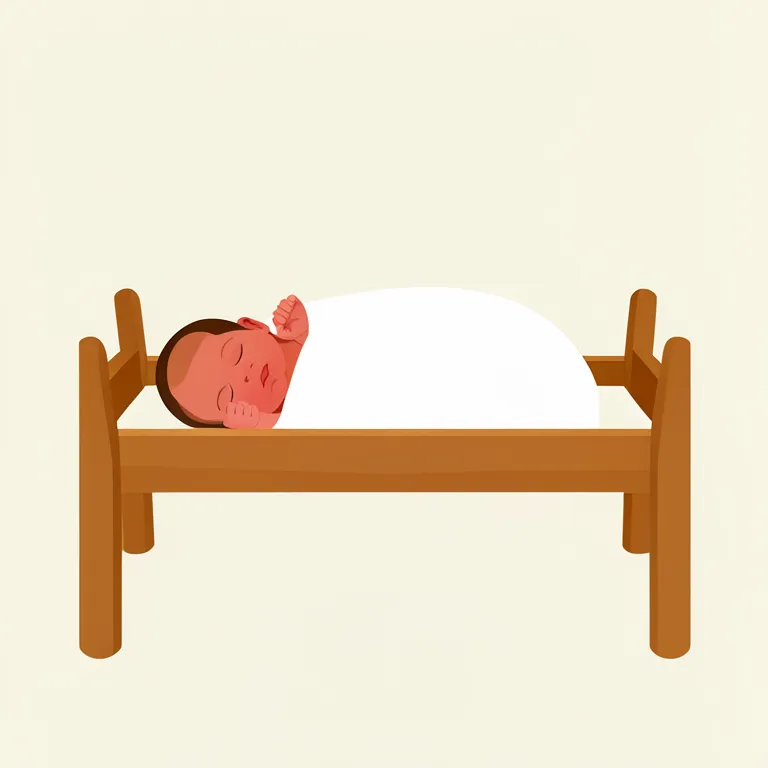
beba
baby
nounA1 · Lesson 16Forms
feminine noun case singular plural nom beba bebe gen bebe beba dat bebi bebama acc bebu bebe voc bebo bebe ins bebom bebama loc bebi bebama 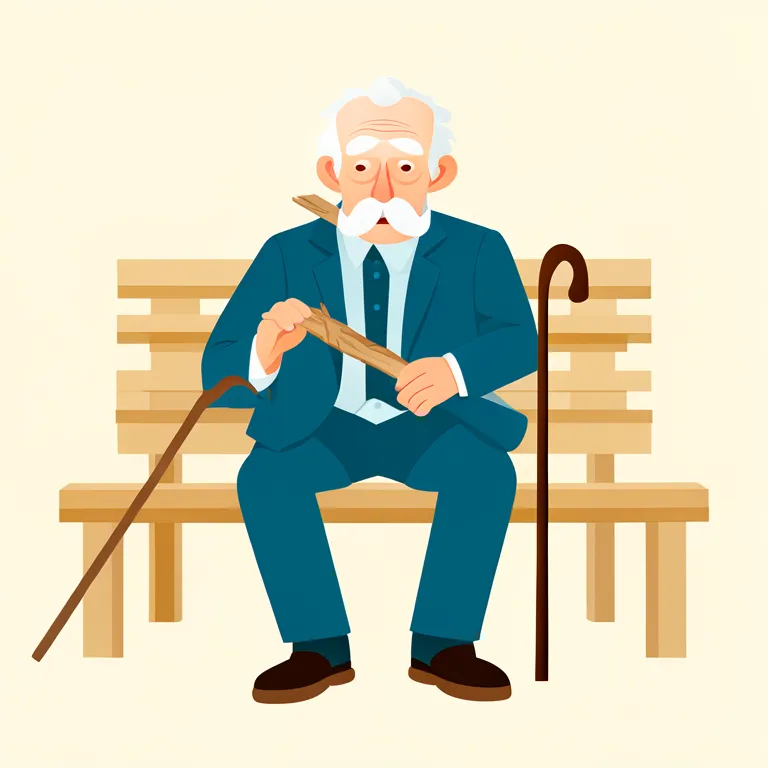
deda
grandfather, grandpa
nounA1 · Lesson 16Masculine, even though it ends in -a like a feminine noun.
Imam baku i dedu.I have a grandmother and a grandfather.
Forms
masculine noun case singular plural nom deda dede gen dede deda dat dedi dedama acc dedu dede voc dedo dede ins dedom dedama loc dedi dedama 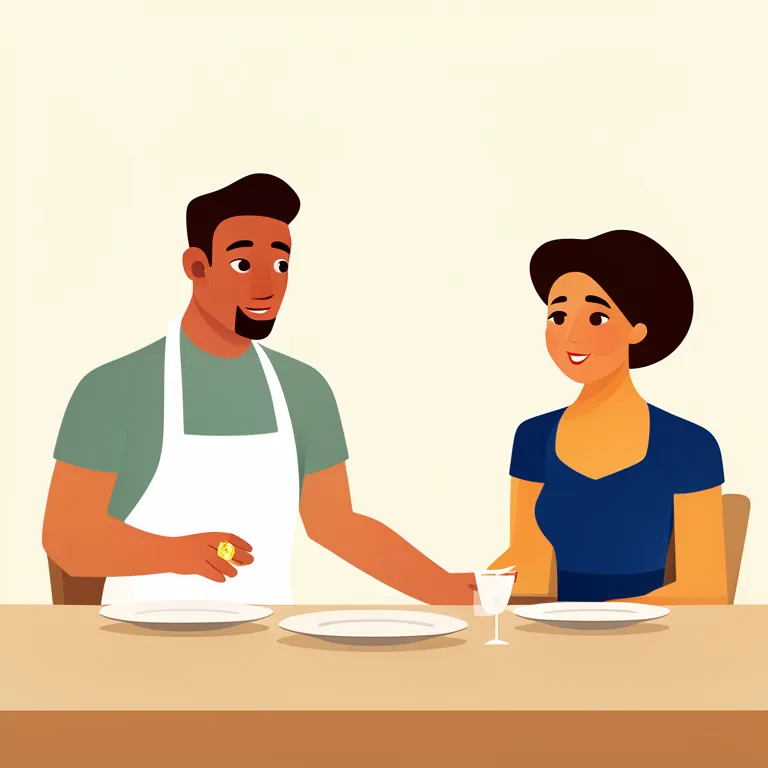
muž
husband
nounA1 · Lesson 16Ana ima muža i sina.Ana has a husband and a son.
Forms
masculine noun case singular plural nom muž muži / muževi gen muža muža / muževa dat mužu mužima / muževima acc muža muževe / muže voc mužu muževi / muži ins mužem muževima / mužima loc mužu muževima / mužima 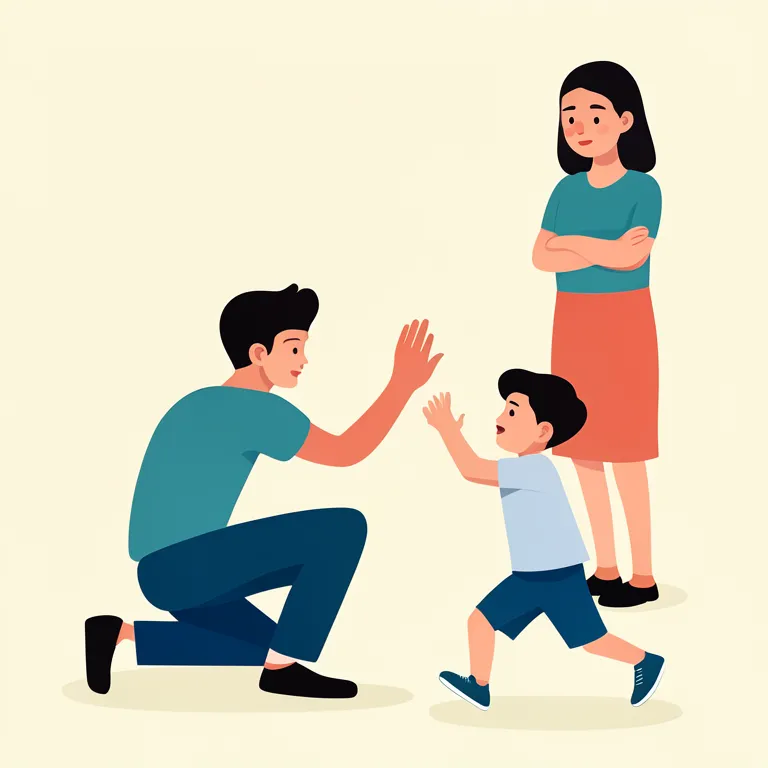
nećak
nephew
nounA1 · Lesson 16Forms
masculine noun case singular plural nom nećak nećaci gen nećaka nećaka dat nećaku nećacima acc nećaka nećake voc nećače nećaci ins nećakom nećacima loc nećaku nećacima 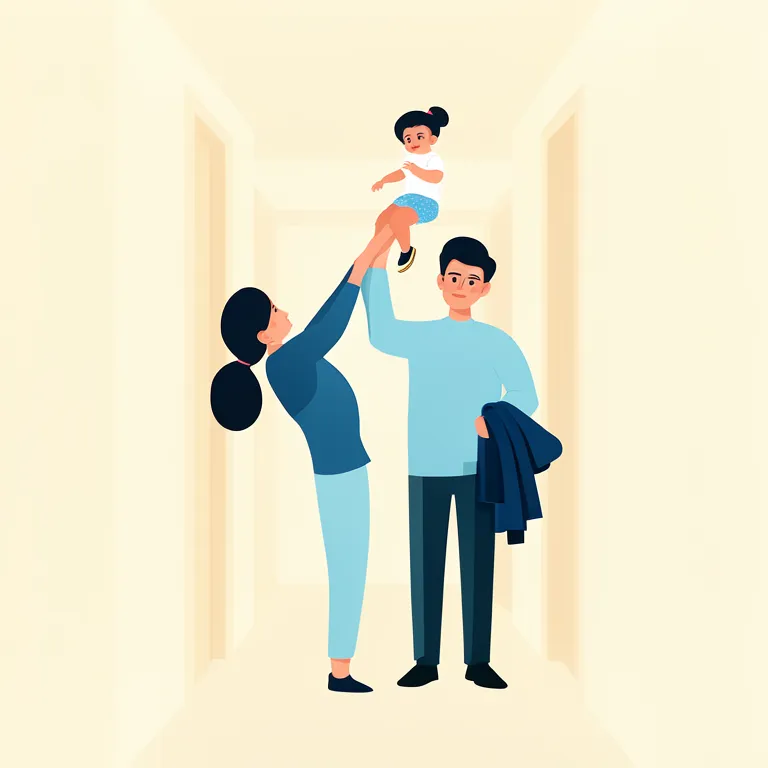
nećaka
niece
nounA1 · Lesson 16Forms
feminine noun case singular plural nom nećaka nećake gen nećake nećaka dat nećaci nećakama acc nećaku nećake voc nećako nećake ins nećakom nećakama loc nećaci nećakama 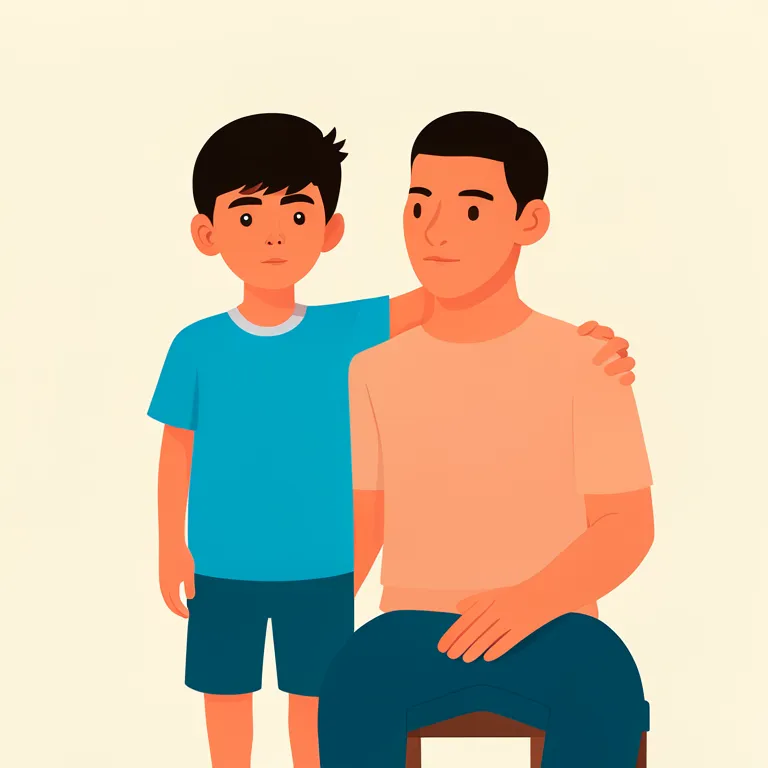
sin
son
nounA1 · Lesson 16Imam sina i ćerku.I have a son and a daughter.
Forms
masculine noun case singular plural nom sin sinovi gen sina sinova dat sinu sinovima acc sina sinove voc sine sinovi ins sinom sinovima loc sinu sinovima 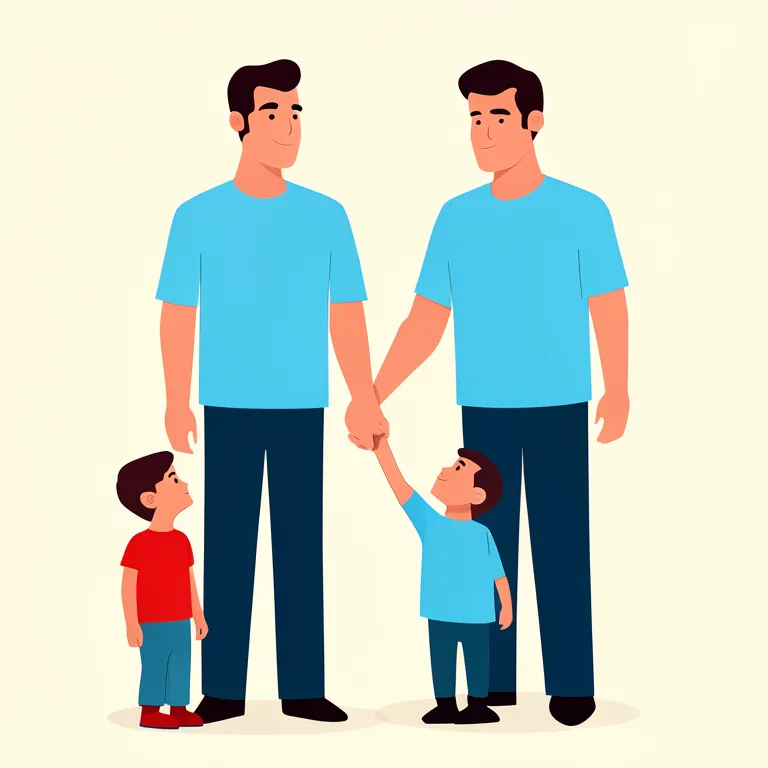
stric
uncle
nounA1 · Lesson 16father's brother specifically
Mi nemamo tetku, ali imamo strica.We do not have an aunt, but we have an uncle.
Forms
masculine noun case singular plural nom stric strici / stričevi gen strica stričeva / strica dat stricu stricima / stričevima acc strica stričeve / strice voc striče strici / stričevi ins stricem stričevima / stricima loc stricu stričevima / stricima 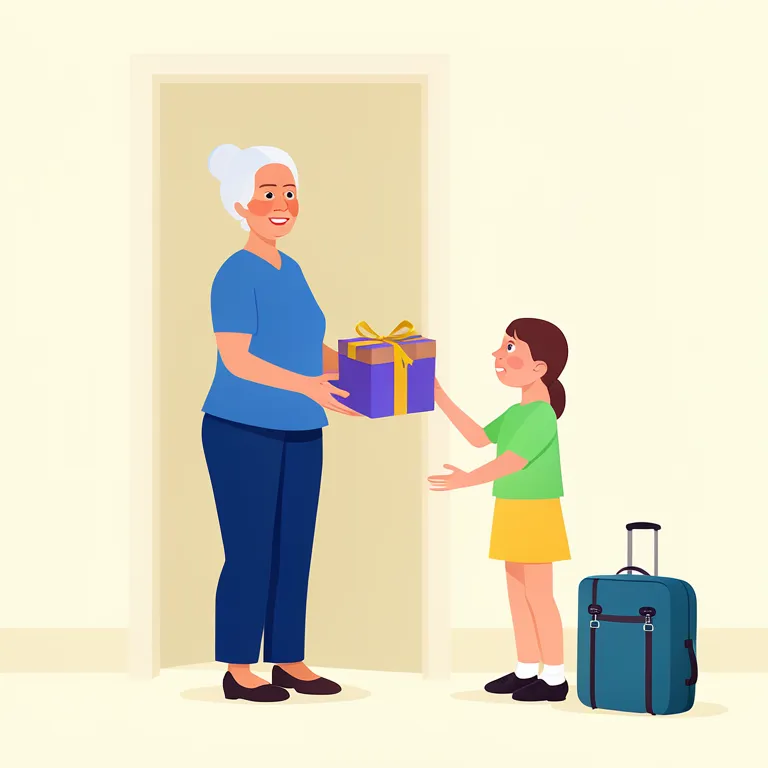
tetka
aunt
nounA1 · Lesson 16sister of either parent
Mi nemamo tetku, ali imamo strica.We do not have an aunt, but we have an uncle.
Forms
feminine noun case singular plural nom tetka tetke gen tetke tetka / tetaka dat tetci / tetki tetkama acc tetku tetke voc tetko tetke ins tetkom tetkama loc tetci / tetki tetkama 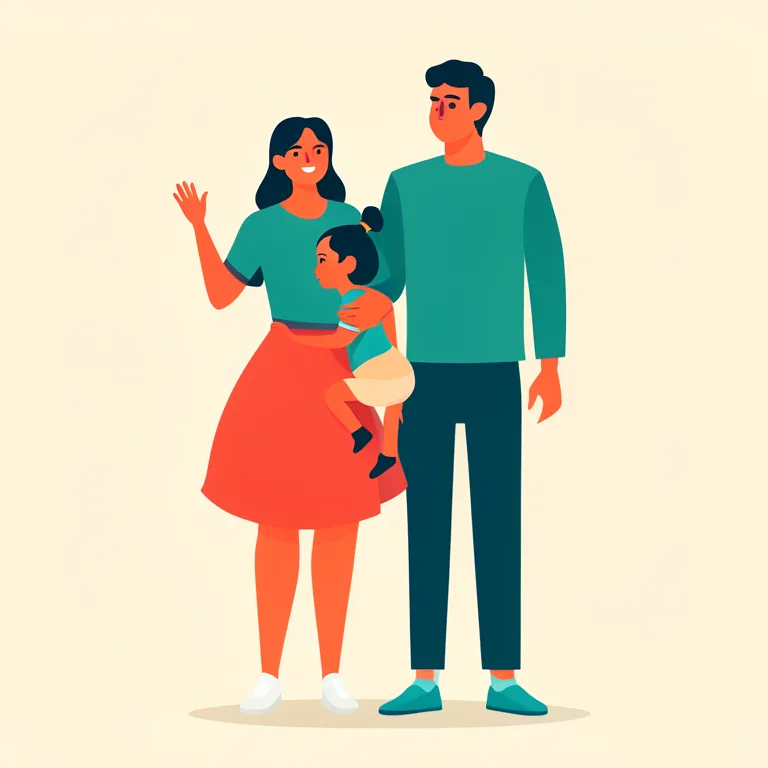
ujak
uncle
nounA1 · Lesson 16mother's brother specifically
Forms
masculine noun case singular plural nom ujak ujaci gen ujaka ujaka dat ujaku ujacima acc ujaka ujake voc ujače ujaci ins ujakom ujacima loc ujaku ujacima 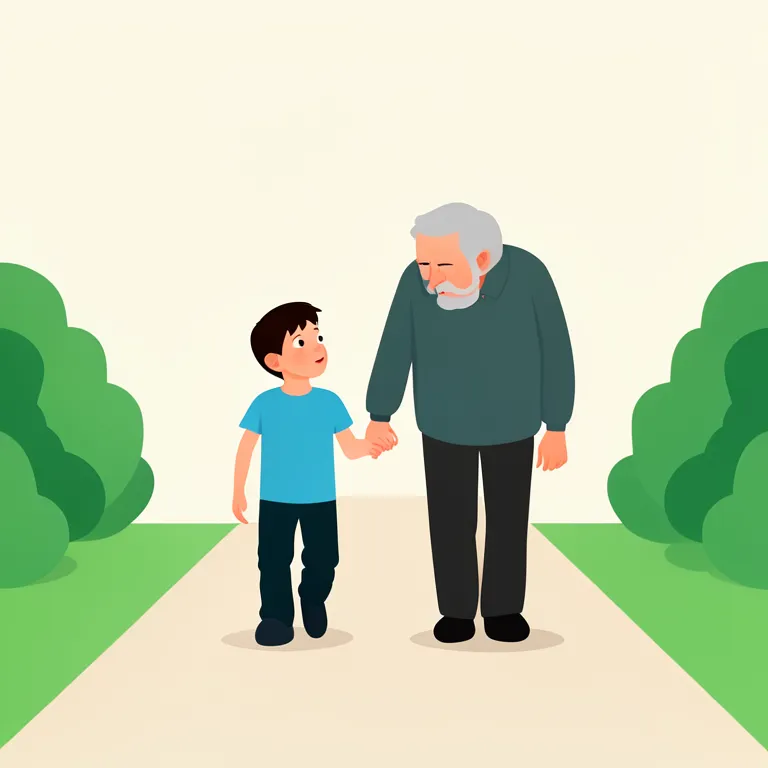
unuk
grandson
nounA1 · Lesson 16In the plural it also covers a mixed group — grandchildren.
Imate li unuke?Do you have grandchildren?
Forms
masculine noun case singular plural nom unuk unuci gen unuka unuka dat unuku unucima acc unuka unuke voc unuče unuci ins unukom unucima loc unuku unucima 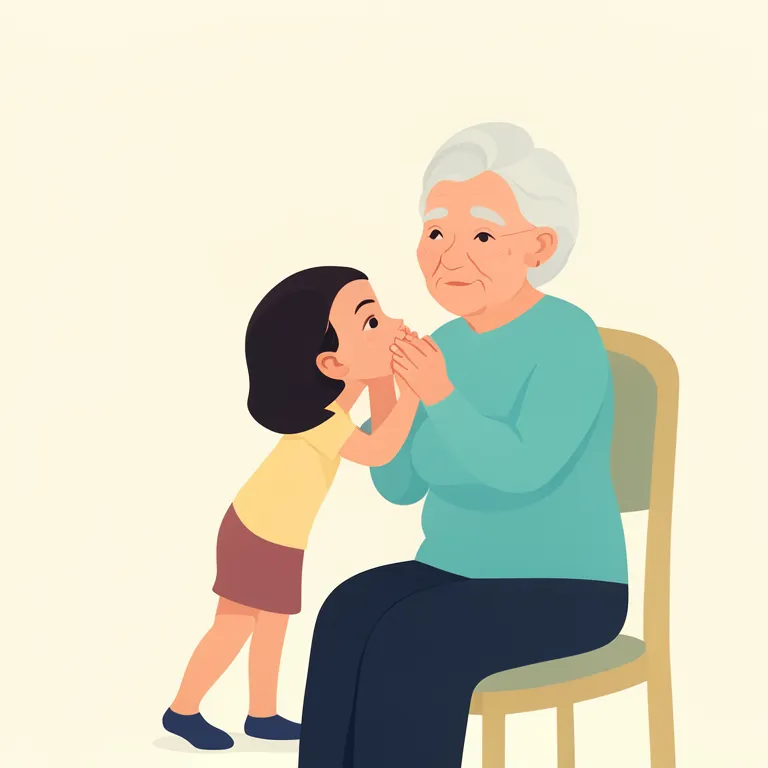
unuka
granddaughter
nounA1 · Lesson 16Forms
feminine noun case singular plural nom unuka unuke gen unuke unuka dat unuci unukama acc unuku unuke voc unuko unuke ins unukom unukama loc unuci unukama 
žena
wife; woman
nounA1 · Lesson 16the same word covers both; context decides
On nema ženu.He does not have a wife.
Forms
feminine noun case singular plural nom žena žene gen žene žena dat ženi ženama acc ženu žene voc ženo žene ins ženom ženama loc ženi ženama 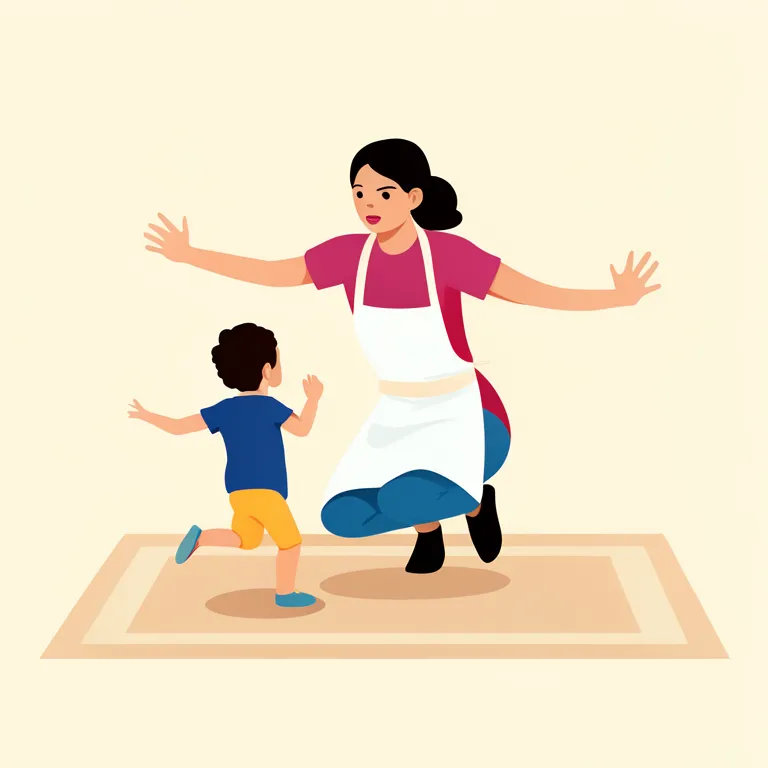
mama
mum, mom
nounA1 · Lesson 18Informal and very common; the neutral word is majka.
Mama kuva supu.Mum is cooking soup.
Forms
feminine noun case singular plural nom mama mame gen mame mama dat mami mamama acc mamu mame voc mamo mame ins mamom mamama loc mami mamama 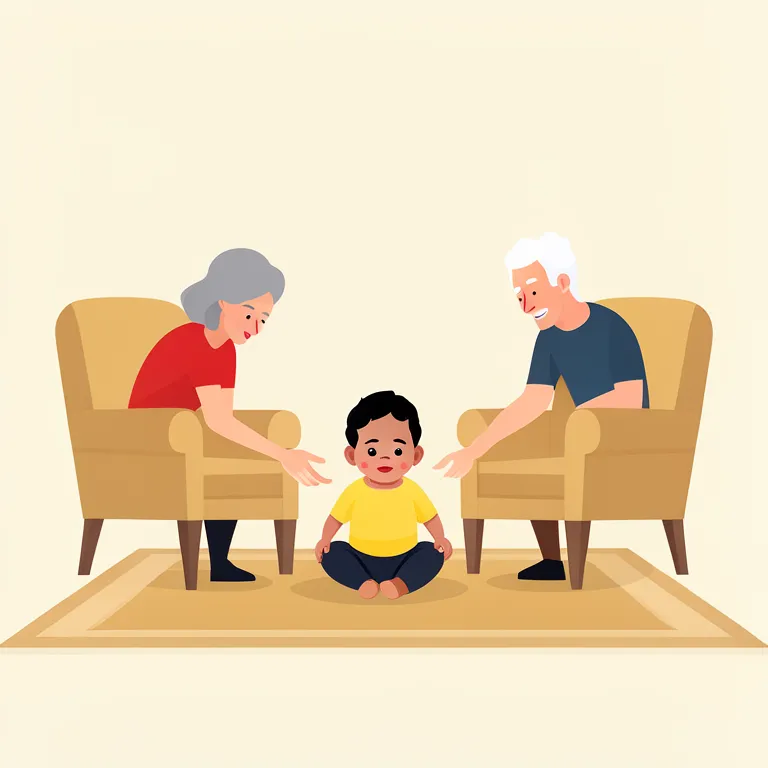
unuče
grandchild
nounA1 · Lesson 28either a grandson or a granddaughter; the plural is the collective unučad
Unučetu danas poklanjamo veliki balon.Today we are giving our grandchild a big balloon.
Forms
neuter noun case singular plural nom unuče unučad gen unučeta unučadi dat unučetu unučadi acc unuče unučad voc unuče unučadi ins unučetom unučadi loc unučetu unučadi 
venčanje
wedding
nounA1 · Lesson 38the ceremony itself
Forms
neuter noun case singular plural nom venčanje / vjenčanje venčanja gen venčanja venčanja dat venčanju venčanjima acc vjenčanje / venčanje venčanja voc vjenčanje / venčanje venčanja ins venčanjem / vjenčanjem venčanjima loc venčanju venčanjima
More words of the topic
Not introduced in a lesson yet. In the app you add them from the topic and learn them the same way as the rest.
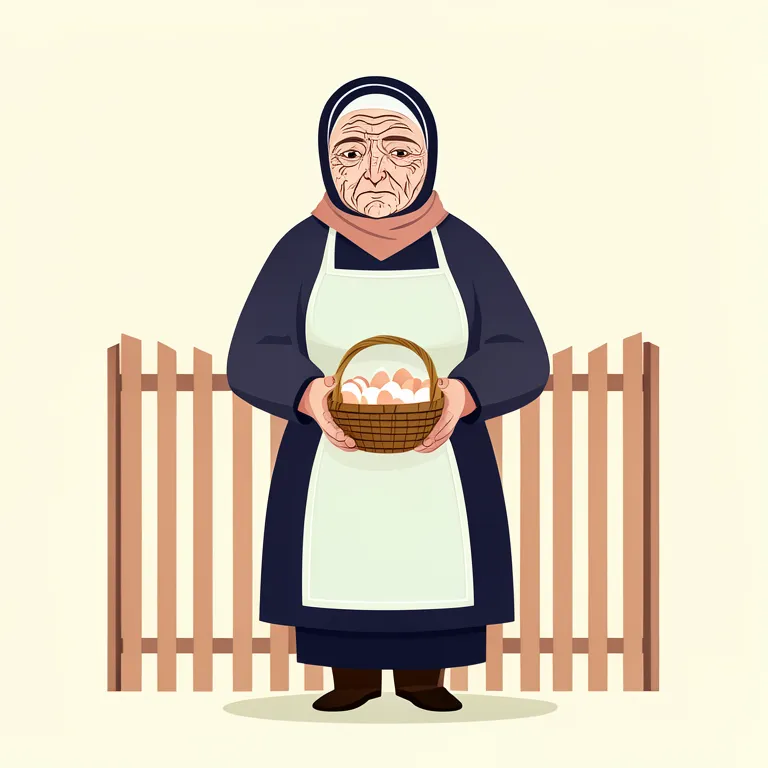
baba
grandmother
nounhomely, rural-sounding word for a grandmother; also 'old woman', which can be rude
Forms
feminine noun case singular plural nom baba babe gen babe baba dat babi babama acc babu babe voc babo babe ins babom babama loc babi babama 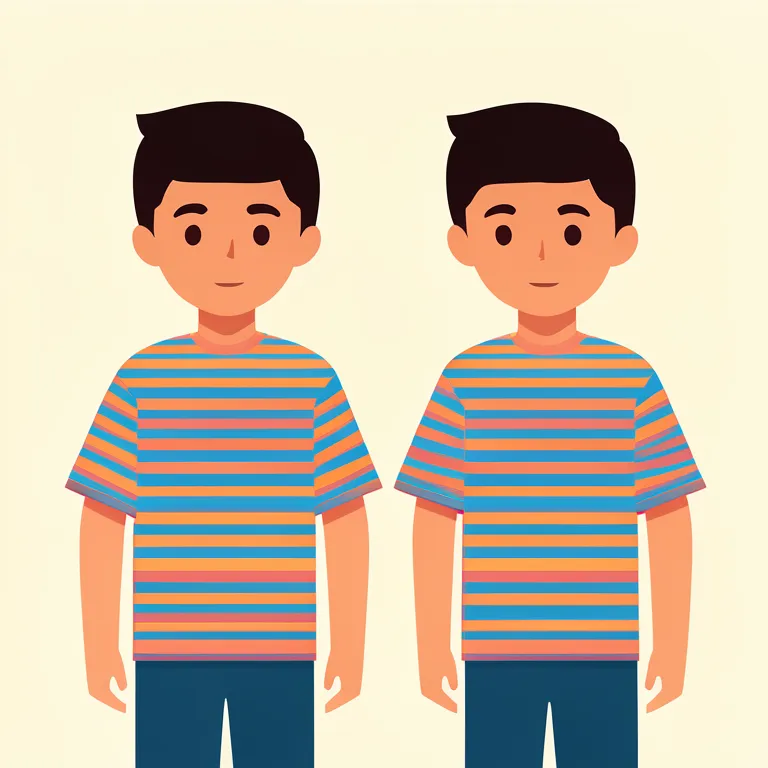
blizanac
twin
nounForms
masculine noun case singular plural nom blizanac blizanci gen blizanca blizanaca dat blizancu blizancima acc blizanca blizance voc blizanče blizanci ins blizancem blizancima loc blizancu blizancima 
bliznakinja
twin
nouna female twin; blizanac is the male one and the general word
Forms
case singular plural nom bliznakinja bliznakinje gen bliznakinje bliznakinja dat bliznakinji bliznakinjama acc bliznakinju bliznakinje voc bliznakinjo bliznakinje ins bliznakinjom bliznakinjama loc bliznakinji bliznakinjama 
brak
marriage
nounthe state of being married, not the ceremony
Forms
masculine noun case singular plural nom brak brakovi gen braka brakova dat braku brakovima acc brak brakove voc braku brakovi ins brakom brakovima loc braku brakovima 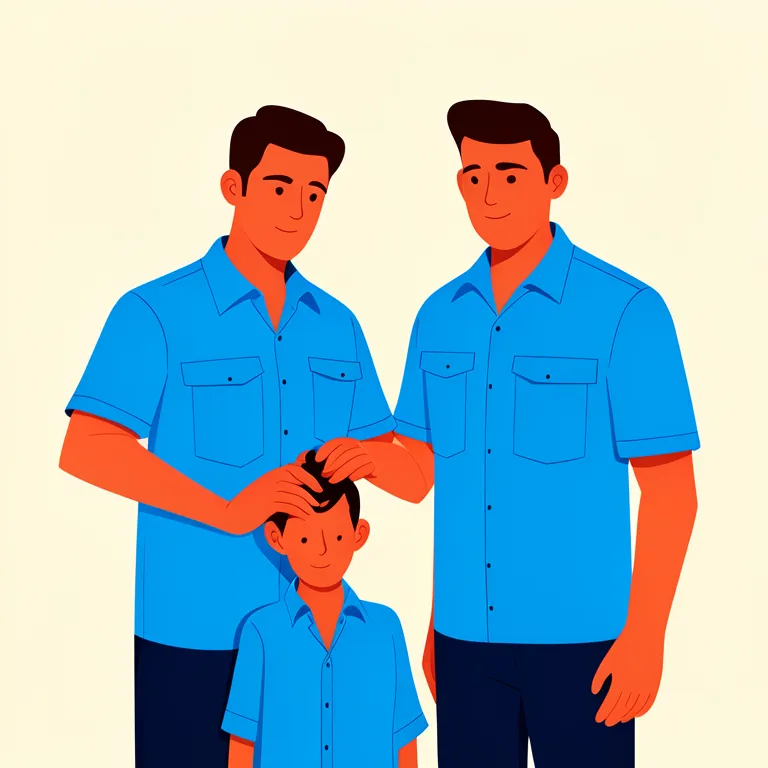
bratanac
nephew
nounbrother's son specifically
Forms
masculine noun case singular plural nom bratanac bratanci gen bratanca bratanaca dat bratancu bratancima acc bratanca bratance voc bratanče bratanci ins bratancem bratancima loc bratancu bratancima 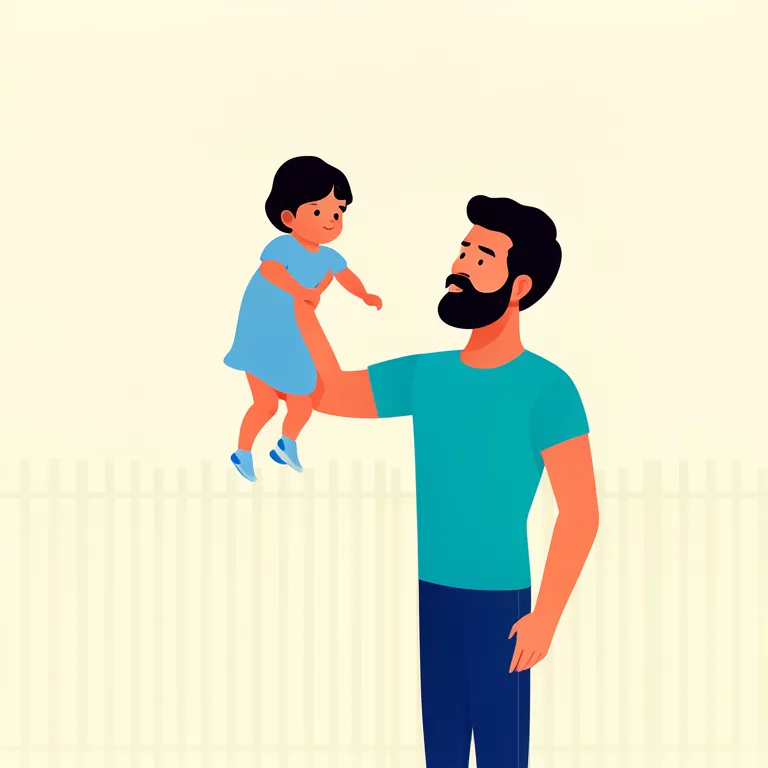
bratanica
niece
nounbrother's daughter specifically
Forms
feminine noun case singular plural nom bratanica bratanice gen bratanice bratanica dat bratanici bratanicama acc bratanicu bratanice voc bratanice bratanice ins bratanicom bratanicama loc bratanici bratanicama 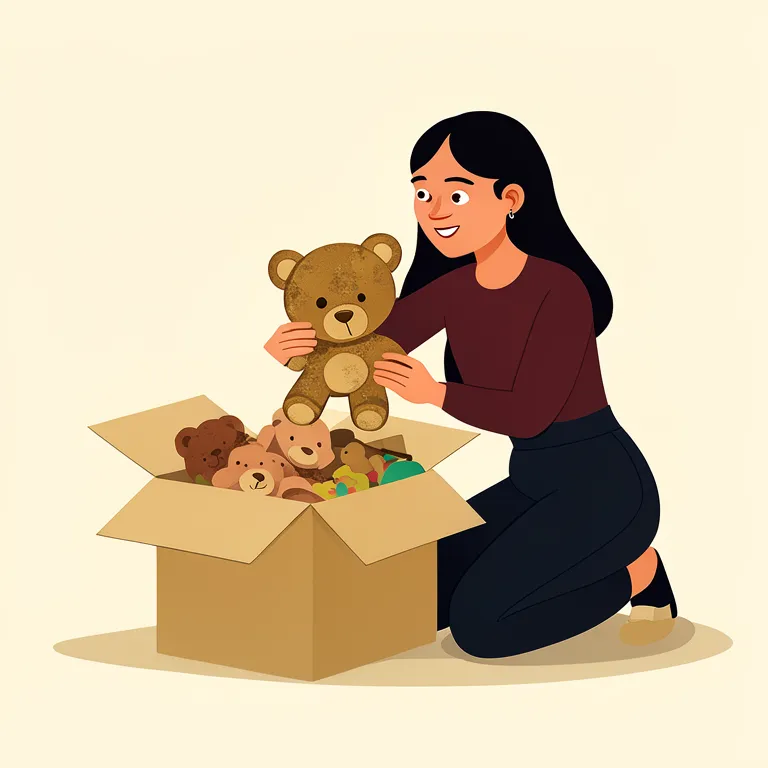
detinjstvo
childhood
nounForms
neuter noun case singular plural nom detinjstvo detinjstva gen detinjstva detinjstava dat detinjstvu detinjstvima acc detinjstvo detinjstva voc detinjstvo detinjstva ins detinjstvom detinjstvima loc detinjstvu detinjstvima 
dever
brother-in-law
nounthe husband's brother
Forms
masculine noun case singular plural nom dever deveri gen devera devera dat deveru deverima acc dever devere voc deveru deveri ins deverom deverima loc deveru deverima 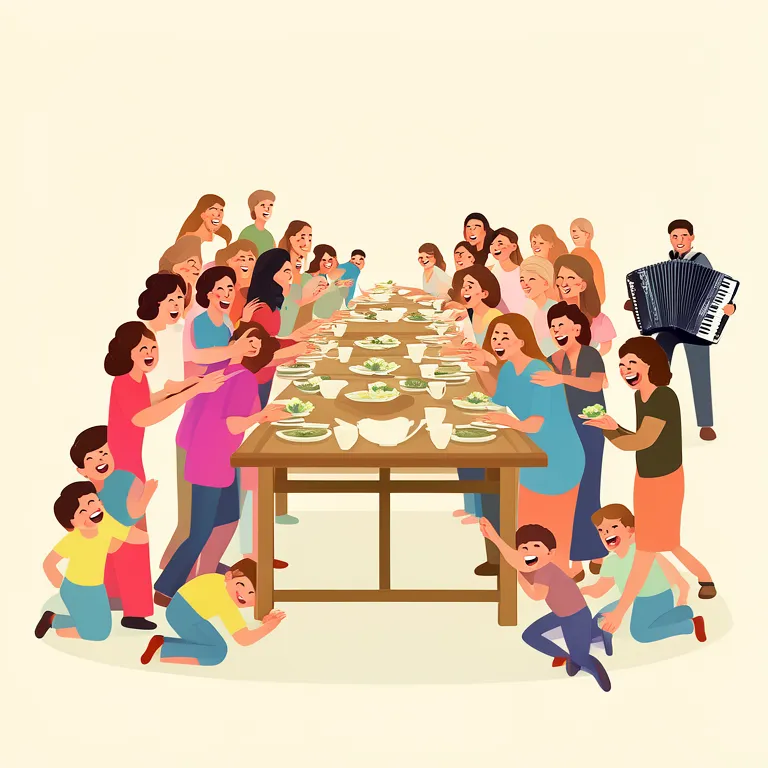
familija
family
nouncolloquial, and often the wider family or clan rather than the household; porodica is the neutral word
Forms
case singular plural nom familija familije gen familije familija dat familiji familijama acc familiju familije voc — familije ins familijom familijama loc familiji familijama 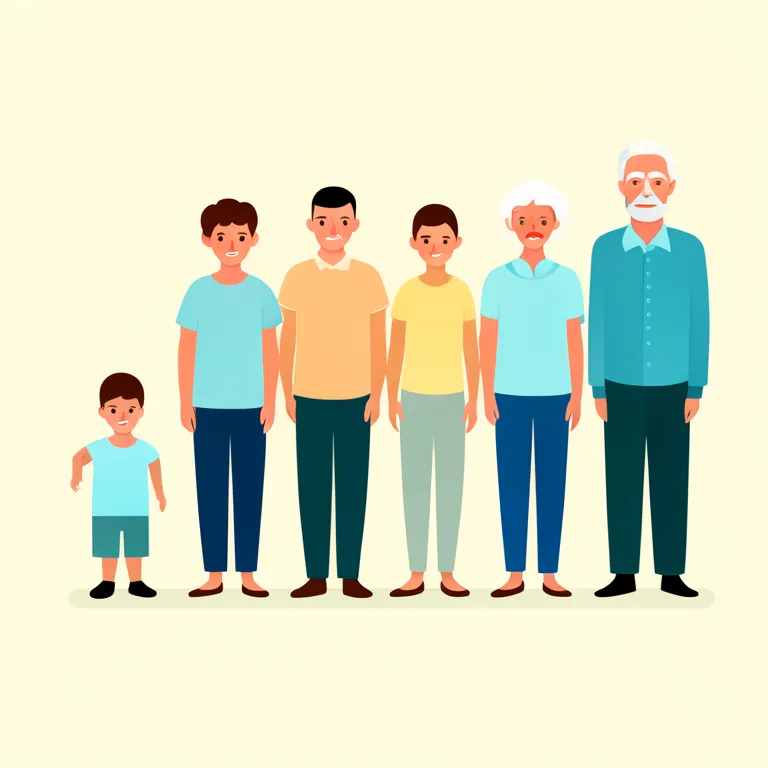
generacija
generation
nounForms
feminine noun case singular plural nom generacija generacije gen generacije generacija dat generaciji generacijama acc generaciju generacije voc generacijo generacije ins generacijom generacijama loc generaciji generacijama 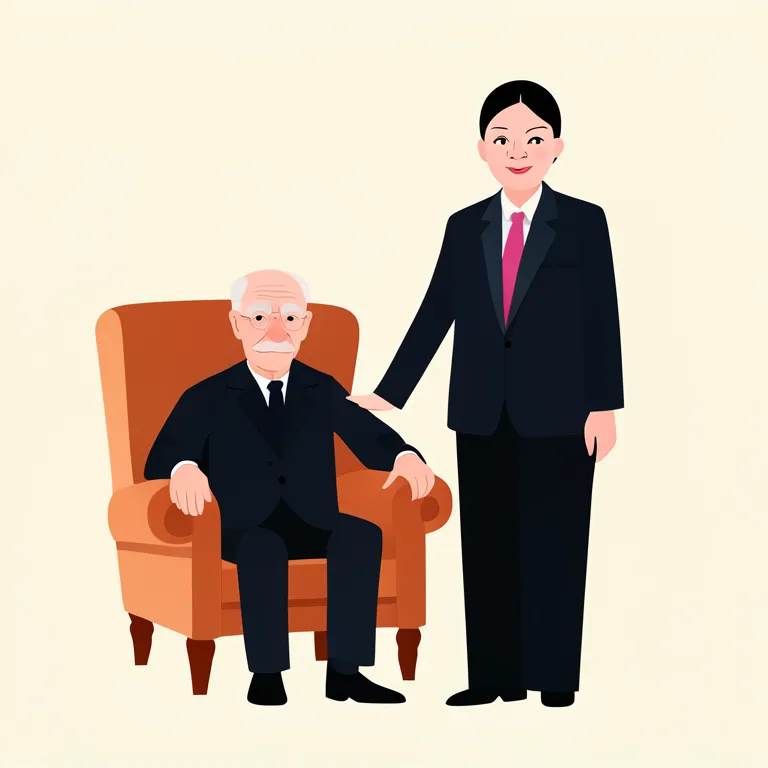
kći
daughter
nounformal or literary word for a daughter; everyday speech uses ćerka
Forms
feminine noun case singular plural nom kći kćeri gen kćeri kćeri dat kćeri kćerima acc kćer kćeri voc kćeri kćeri ins kćerju / kćeri kćerima loc kćeri kćerima 
kum
godfather; best man
nouna lifelong formal role in Serbian families, not just a wedding job
Forms
masculine noun case singular plural nom kum kumovi gen kuma kumova dat kumu kumovima acc kuma kumove voc kume kumovi ins kumom kumovima loc kumu kumovima 
kuma
godmother; maid of honour
nounForms
feminine noun case singular plural nom kuma kume gen kume kuma dat kumi kumama acc kumu kume voc kumo kume ins kumom kumama loc kumi kumama 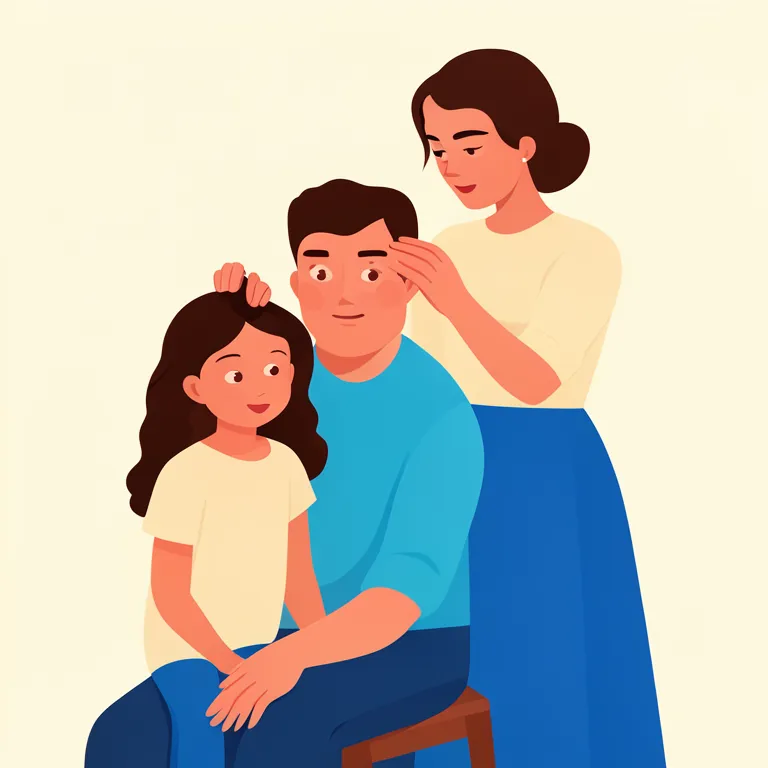
maćeha
stepmother
nounForms
feminine noun case singular plural nom maćeha maćehe gen maćehe maćeha dat maćehi maćehama acc maćehu maćehe voc maćeho maćehe ins maćehom maćehama loc maćehi maćehama 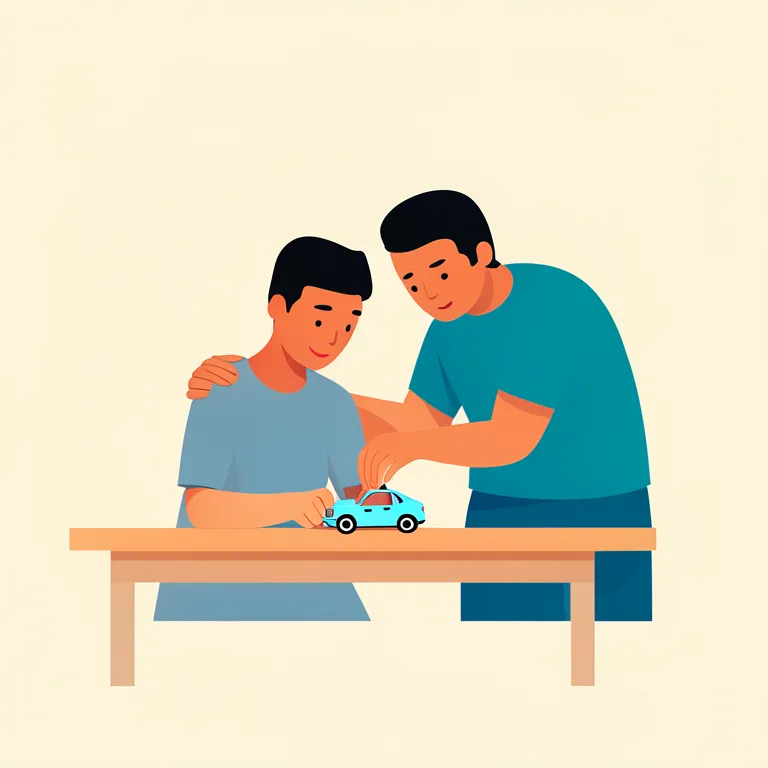
očuh
stepfather
nounForms
masculine noun case singular plural nom očuh očusi gen očuha očuha dat očuhu očusima acc očuha očuhe voc očuhu očusi ins očuhom očusima loc očuhu očusima 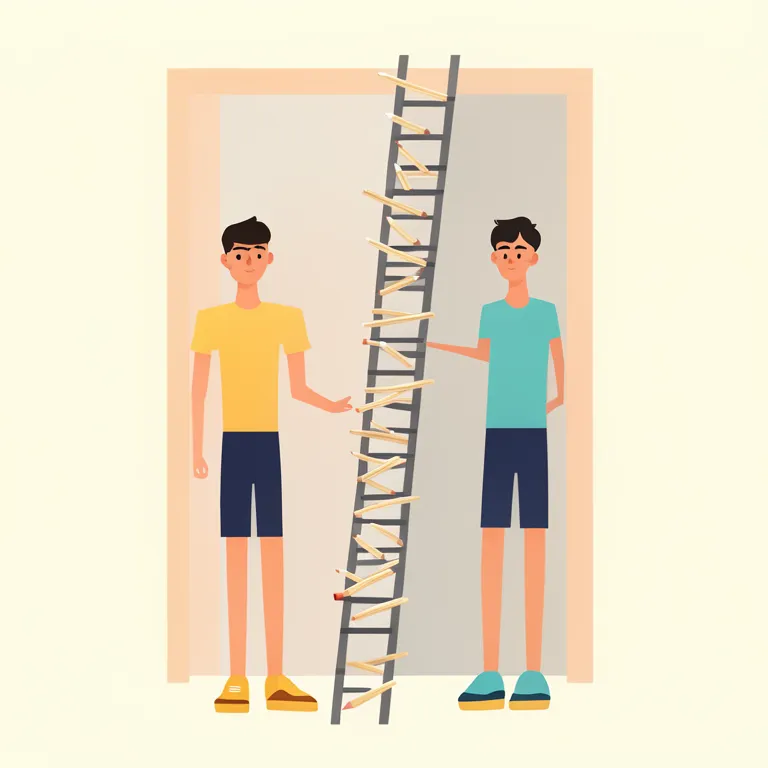
odrasti
to grow up
verbForms
infinitive: odrasti · present tense person singular plural 1. odrastem odrastemo 2. odrasteš odrastete 3. odraste odrastu 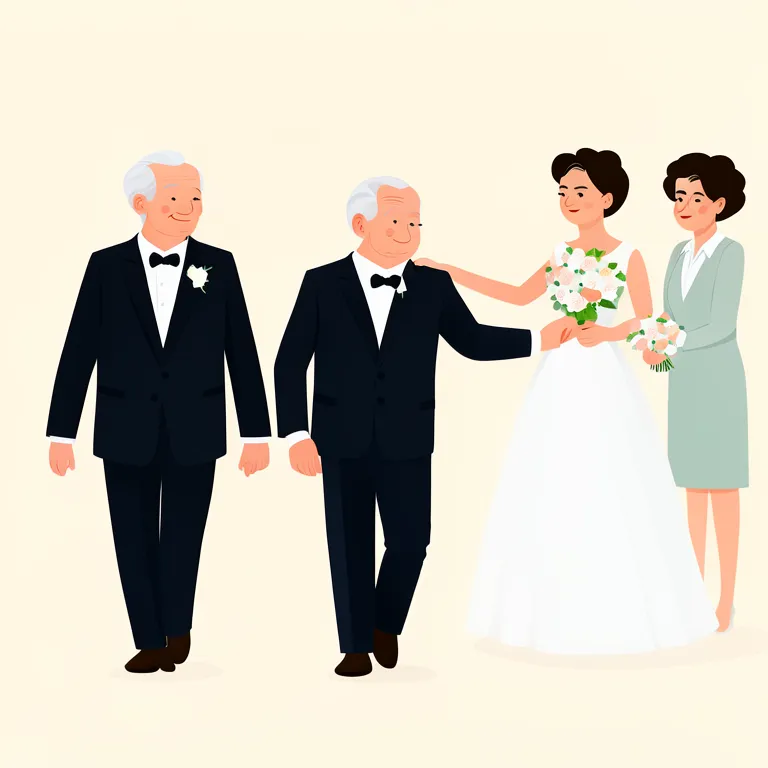
oženiti
to marry off (a son)
verbwith se, oženiti se, it is for a man to get married
Forms
infinitive: oženiti · present tense person singular plural 1. oženim oženimo 2. oženiš oženite 3. oženi ožene 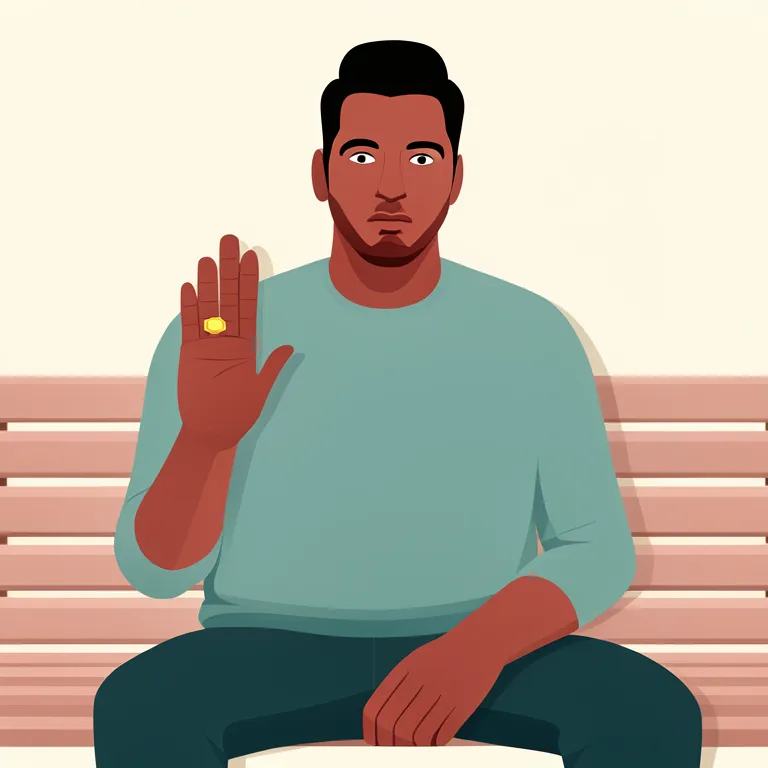
oženjen
married
adjectivesaid of a man only; a woman is udata
Forms
nominative gender singular plural masculine oženjen / oženjeni oženjeni feminine oženjena oženjene neuter oženjeno oženjena 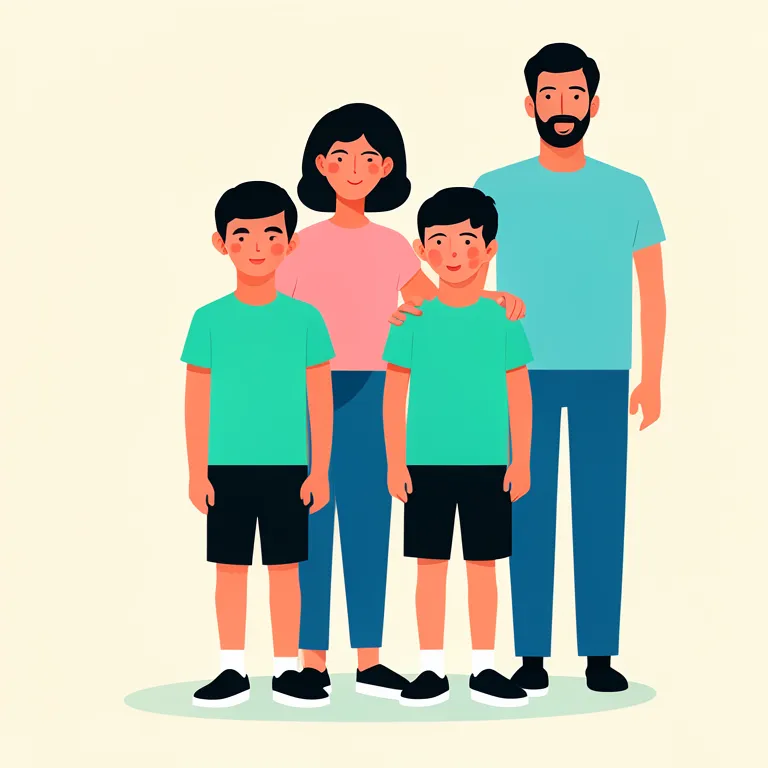
polubrat
half-brother
nounshares one parent; a stepbrother with no blood tie is brat po očuhu or maćehi, though polubrat is often stretched to cover that too
Forms
masculine noun case singular plural nom polubrat — gen polubrata — dat polubratu — acc polubrata — voc polubrate — ins polubratom — loc polubratu — 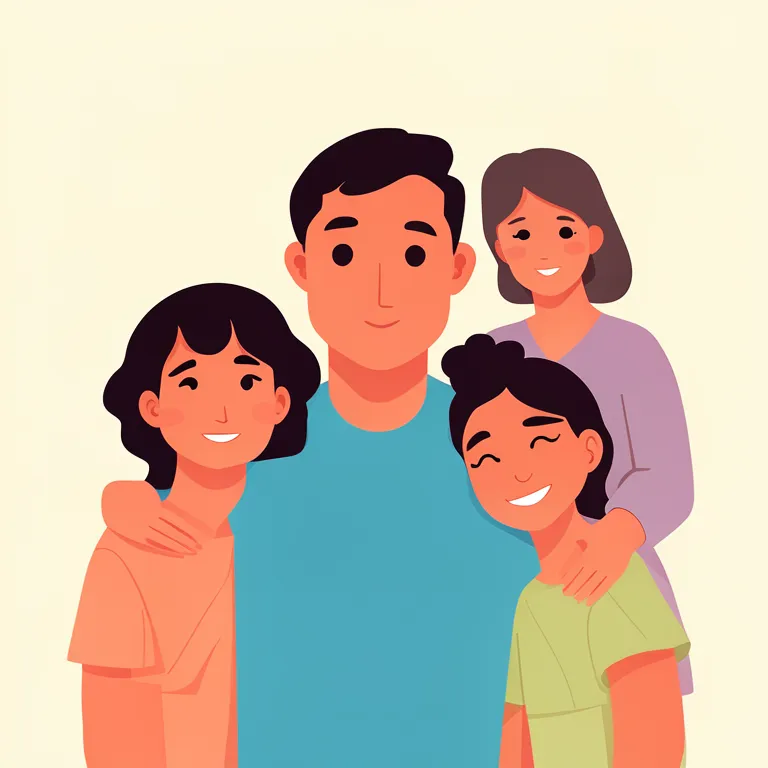
polusestra
half-sister
nounshares one parent; a stepsister with no blood tie is sestra po očuhu or maćehi, though polusestra is often stretched to cover that too
Forms
feminine noun case singular plural nom polusestra polusestre gen polusestre polusestra / polusestri dat polusestri polusestrama acc polusestru polusestre voc polusestro polusestre ins polusestrom polusestrama loc polusestri polusestrama 
poreklo
origin, descent
nounwhere a person or family comes from
Forms
neuter noun case singular plural nom poreklo porekla gen porekla porekla dat poreklu poreklima acc poreklo porekla voc poreklo porekla ins poreklom poreklima loc poreklu poreklima 
porodičan
family
adjectivebelonging to the family — family house, family business; also 'family-minded' of a person
Forms
nominative gender singular plural masculine porodični / porodičan porodični feminine porodična porodične neuter porodično porodična 
potomak
descendant
nounForms
masculine noun case singular plural nom potomak potomci gen potomka potomaka dat potomku potomcima acc potomka potomke voc potomče potomci ins potomkom potomcima loc potomku potomcima 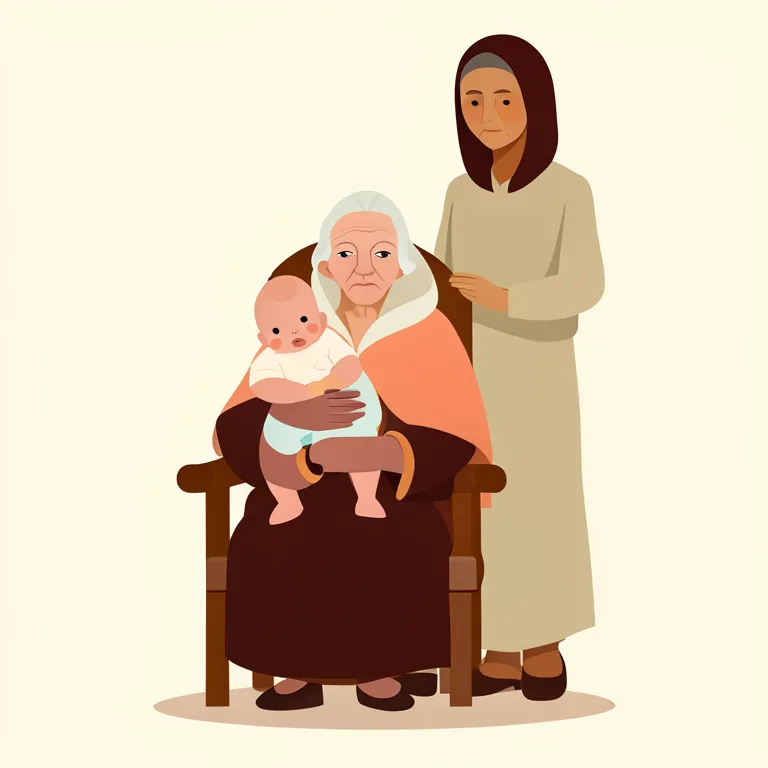
prababa
great-grandmother
nounForms
feminine noun case singular plural nom prababa prababe gen prababe prababa dat prababi prababama acc prababu prababe voc prababo prababe ins prababom prababama loc prababi prababama 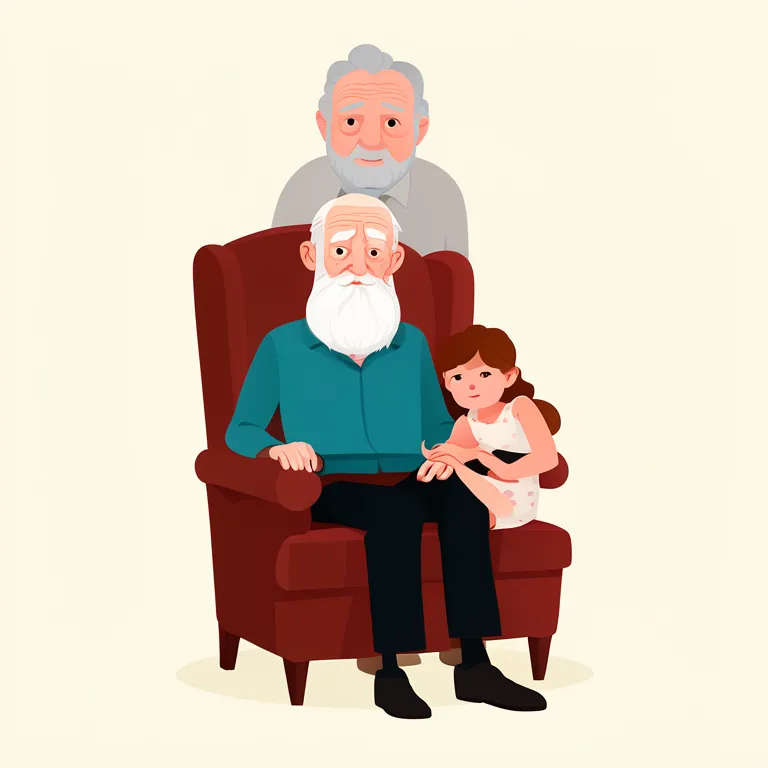
pradeda
great-grandfather
nounForms
case singular plural nom pradeda pradede gen pradede pradeda dat pradedi pradedama acc pradedu pradede voc pradedo pradede ins pradedom pradedama loc pradedi pradedama 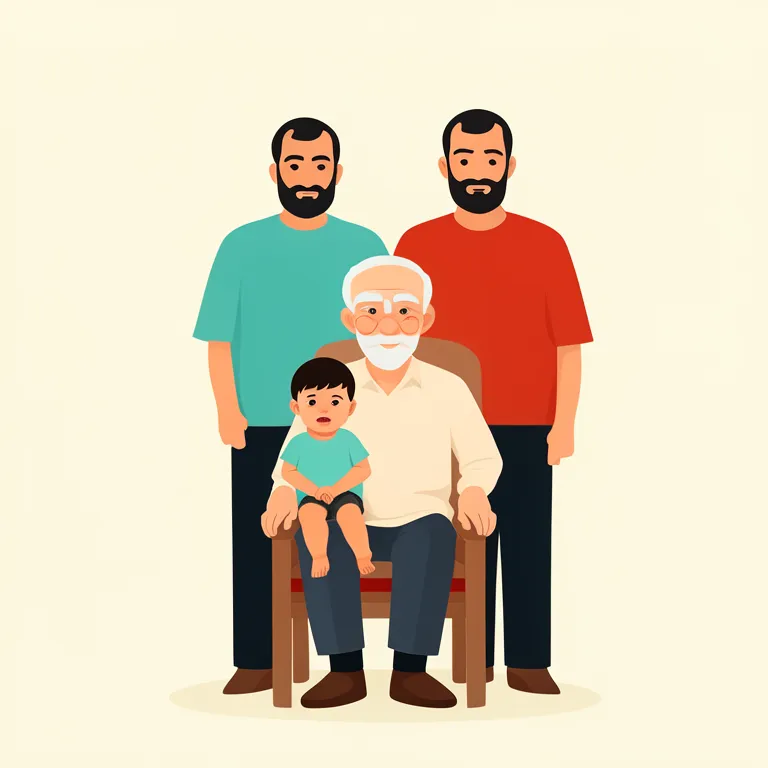
praunuk
great-grandson
nounForms
masculine noun case singular plural nom praunuk praunuci gen praunuka praunuka dat praunuku praunucima acc praunuka praunuke voc praunuče praunuci ins praunukom praunucima loc praunuku praunucima 
praunuka
great-granddaughter
nounfeminine counterpart of praunuk
Forms
feminine noun case singular plural nom praunuka praunuke gen praunuke praunuka dat praunuci praunukama acc praunuku praunuke voc praunuko praunuke ins praunukom praunukama loc praunuci praunukama 
predak
ancestor, forefather
nounForms
masculine noun case singular plural nom predak pretci / preci gen pretka predaka dat pretku precima / pretcima acc pretka pretke voc preče / pretku pretci / preci ins pretkom pretcima / precima loc pretku precima / pretcima 
razvod
divorce
nounForms
masculine noun case singular plural nom razvod razvodi gen razvoda razvoda dat razvodu razvodima acc razvod razvode voc razvode razvodi ins razvodom razvodima loc razvodu razvodima 
rođak
relative; cousin
nounany male relative, and the usual everyday word for a male cousin
Forms
masculine noun case singular plural nom rođak rođaci gen rođaka rođaka dat rođaku rođacima acc rođaka rođake voc rođače rođaci ins rođakom rođacima loc rođaku rođacima 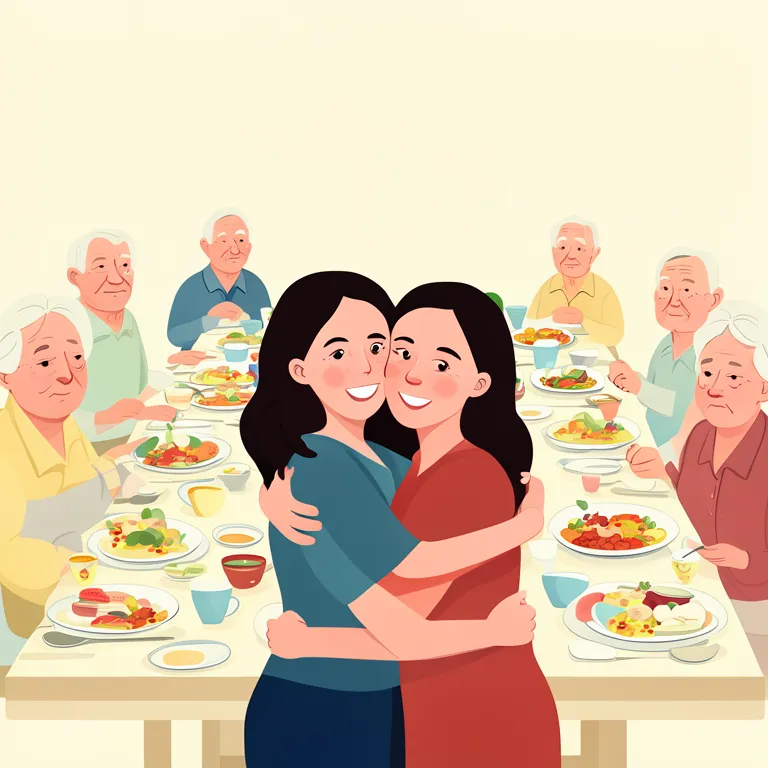
rođaka
relative; cousin
nounfemale counterpart of rođak — any female relative, and the everyday word for a female cousin
Forms
case singular plural nom rođaka rođake gen rođake rođaka dat — rođakama acc rođaku rođake voc — rođake ins rođakom rođakama loc — rođakama 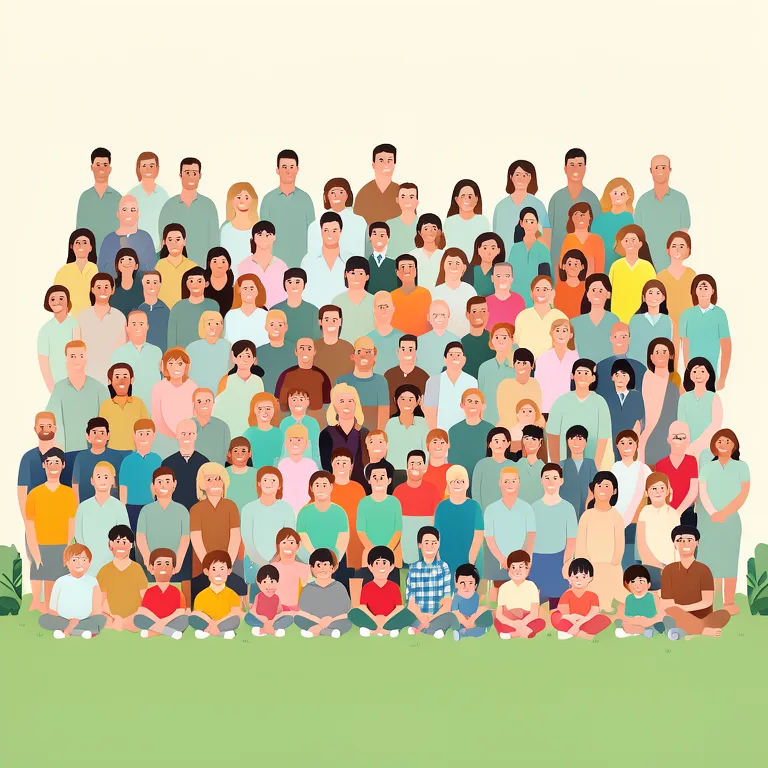
rodbina
relatives
nouncollective — one's relations taken together, not a single relative
Forms
feminine noun case singular plural nom rodbina rodbine gen rodbine rodbina dat rodbini rodbinama acc rodbinu rodbine voc rodbino rodbine ins rodbinom rodbinama loc rodbini rodbinama 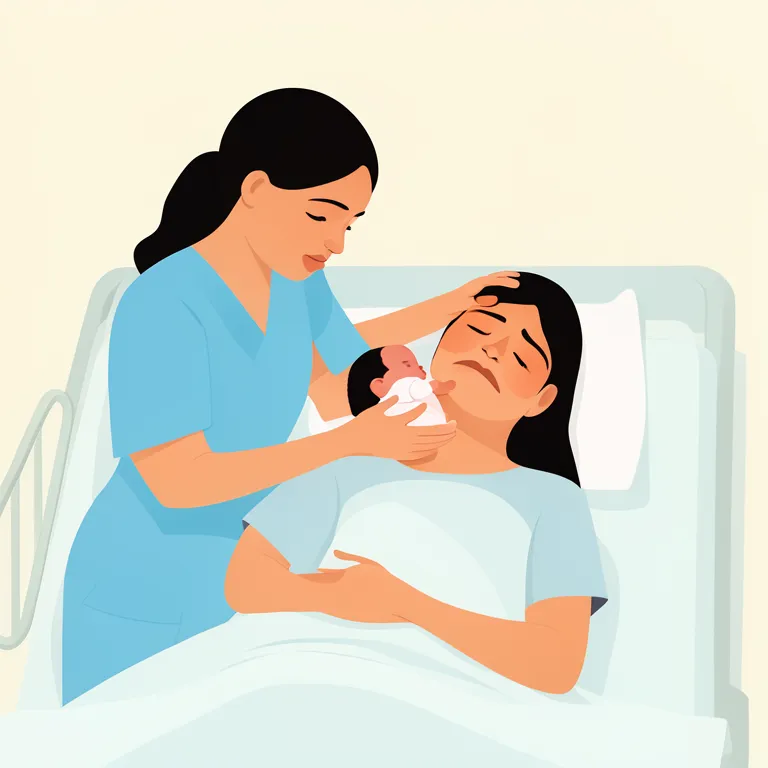
roditi
to give birth to
verbwith se, roditi se, it means to be born
Forms
infinitive: roditi · present tense person singular plural 1. rodim rodimo 2. rodiš rodite 3. rodi rode 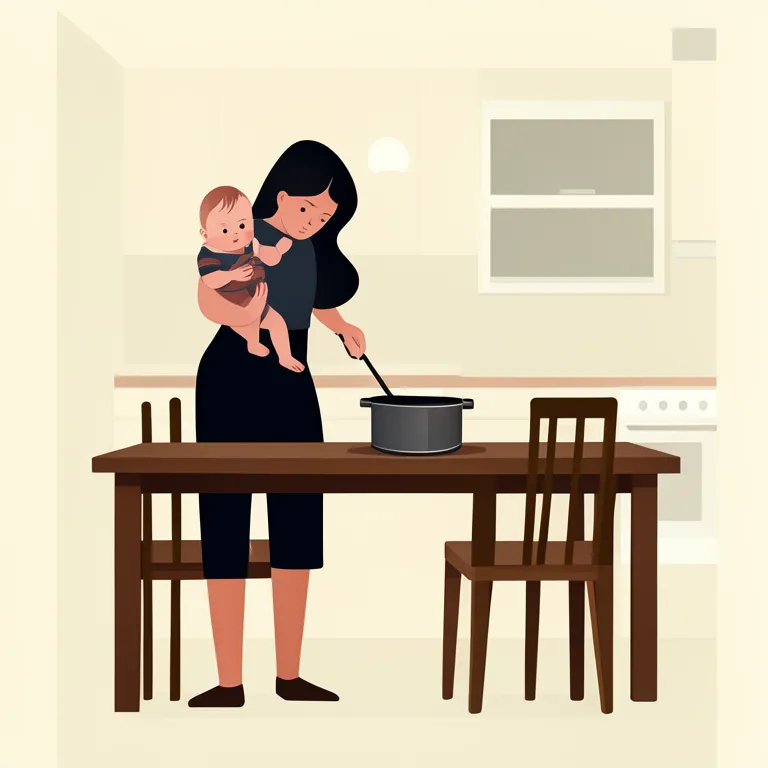
samohran
single
adjectiveof a parent raising a child alone — samohrana majka, a single mother
Forms
nominative gender singular plural masculine samohrani / samohran samohrani feminine samohrana samohrane neuter samohrano samohrana 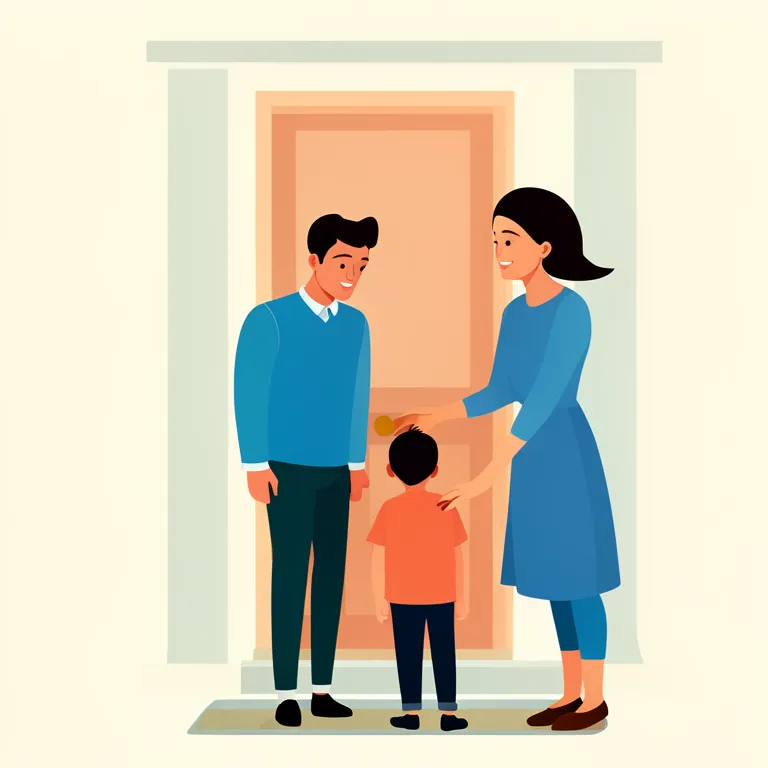
sestrić
nephew
nounsister's son specifically
Forms
masculine noun case singular plural nom sestrić sestrići gen sestrića sestrića dat sestriću sestrićima acc sestrića sestriće voc sestriću sestrići ins sestrićem sestrićima loc sestriću sestrićima 
sestrična
cousin
nounfemale cousin — daughter of an aunt or uncle
Forms
feminine noun case singular plural nom sestrična sestrične gen sestrične sestrični / sestrična dat sestrični sestričnama acc sestričnu sestrične voc sestrično sestrične ins sestričnom sestričnama loc sestrični sestričnama 
sinovac
nephew
nounbrother's son; older and more formal than bratanac
Forms
masculine noun case singular plural nom sinovac sinovci gen sinovca sinovaca dat sinovcu sinovcima acc sinovca sinovce voc sinovče sinovci ins sinovcem sinovcima loc sinovcu sinovcima 
siroče
orphan
nounForms
neuter noun case singular plural nom siroče siročad gen siročeta siročadi dat siročetu siročadi acc siroče siročad voc siroče siročadi ins siročetom siročađu / siročadi loc siročetu siročadi 
snaha
daughter-in-law; sister-in-law
nounthe woman who marries into the family — a son's or a brother's wife
Forms
feminine noun case singular plural nom snaha snahe gen snahe snaha dat snahi snahama acc snahu snahe voc snaho snahe ins snahom snahama loc snahi snahama 
srodstvo
kinship, being related
nounForms
neuter noun case singular plural nom srodstvo srodstva gen srodstva srodstava dat srodstvu srodstvima acc srodstvo srodstva voc srodstvo srodstva ins srodstvom srodstvima loc srodstvu srodstvima 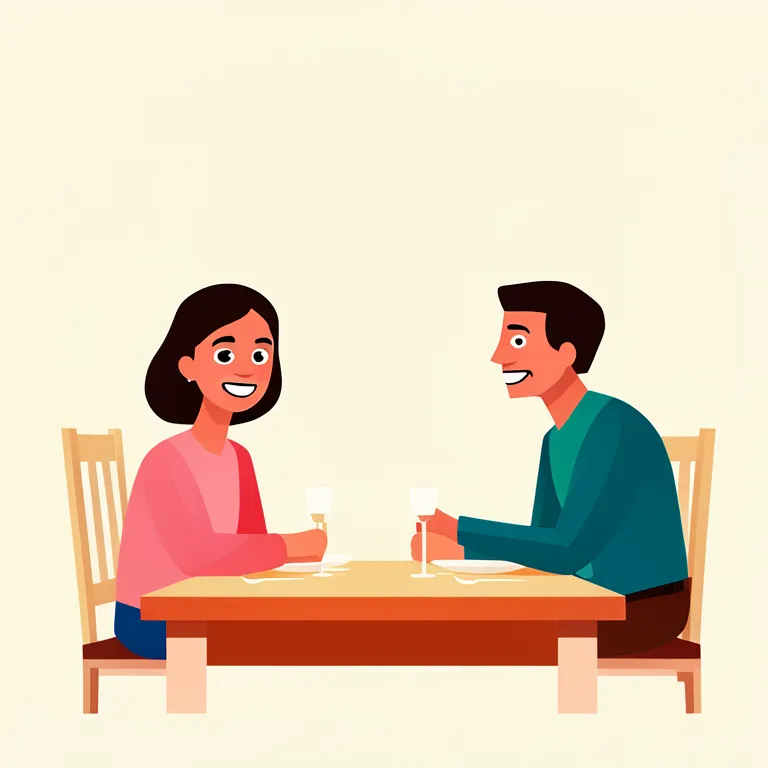
strina
aunt
nounwife of the father's brother
Forms
feminine noun case singular plural nom strina strine gen strine strina dat strini strinama acc strinu strine voc strino strine ins strinom strinama loc strini strinama 
suprug
husband, spouse
nounformal, the word used on documents and in polite speech
Forms
masculine noun case singular plural nom suprug supruzi gen supruga supruga dat suprugu supruzima acc supruga supruge voc supruže supruzi ins suprugom supruzima loc suprugu supruzima 
supruga
wife, spouse
nounformal counterpart of suprug
Forms
feminine noun case singular plural nom supruga supruge gen supruge supruga dat supruzi suprugama acc suprugu supruge voc suprugo supruge ins suprugom suprugama loc supruzi suprugama 
šurak
brother-in-law
nounthe wife's brother
Forms
masculine noun case singular plural nom šurak šuraci gen šuraka šuraka dat šuraku šuracima acc šuraka šurake voc šuraku šuraci ins šurakom šuracima loc šuraku šuracima 
svadba
wedding party
nounthe celebration and feast after the ceremony
Forms
feminine noun case singular plural nom svadba svadbe gen svadbe svadaba / svadbi dat svadbi svadbama acc svadbu svadbe voc svadbo svadbe ins svadbom svadbama loc svadbi svadbama 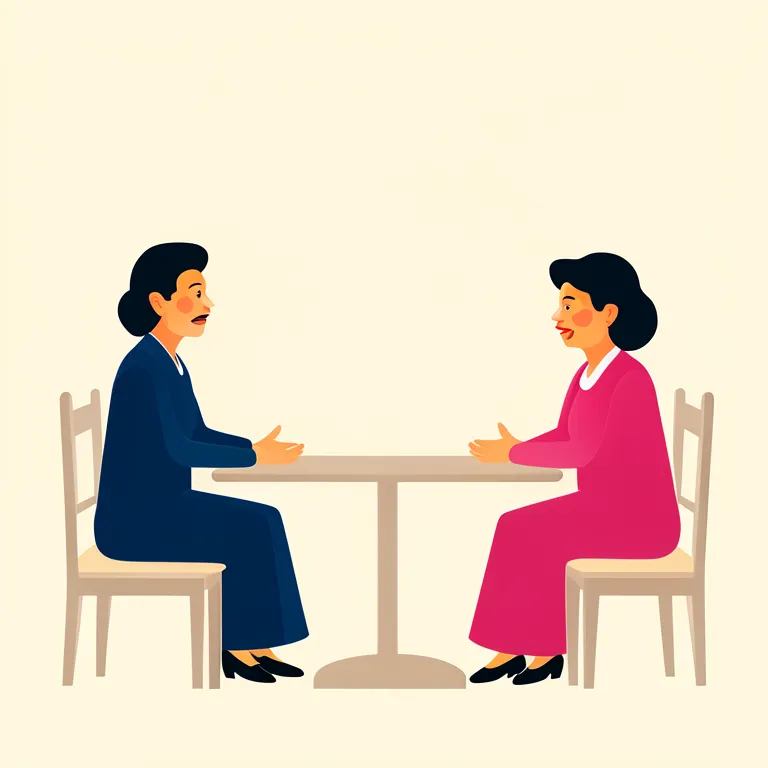
svastika
sister-in-law
nounthe wife's sister; the same spelling is also the word for the swastika symbol
Forms
feminine noun case singular plural nom svastika svastike gen svastike svastika dat svastici svastikama acc svastiku svastike voc svastiko svastike ins svastikom svastikama loc svastici svastikama 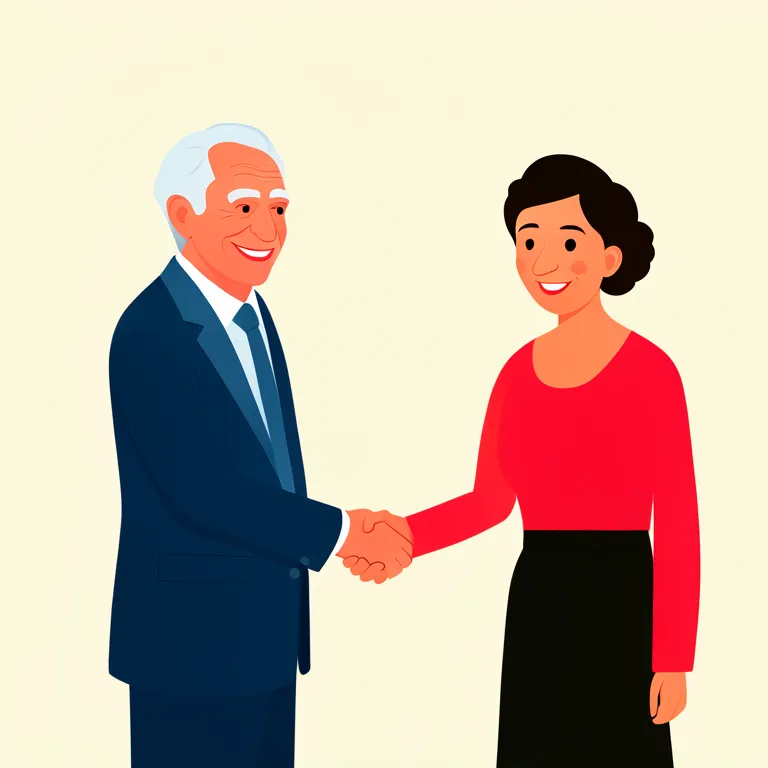
svekar
father-in-law
nounthe husband's father
Forms
masculine noun case singular plural nom svekar svekri gen svekra svekara dat svekru svekrima acc — svekre voc — svekri ins svekrom svekrima loc svekru svekrima 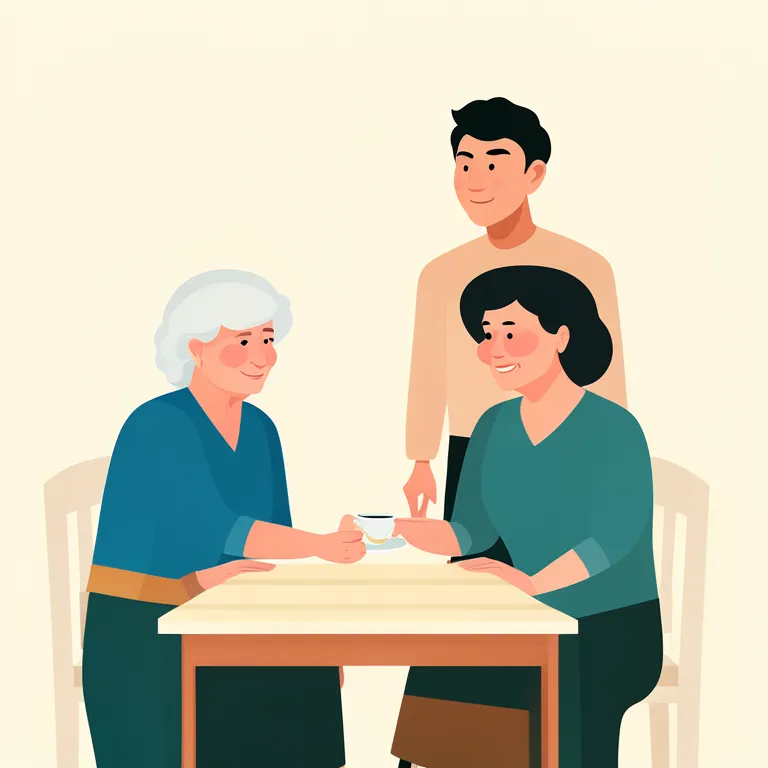
svekrva
mother-in-law
nounthe husband's mother
Forms
feminine noun case singular plural nom svekrva svekrve gen svekrve svekrva dat svekrvi svekrvama acc svekrvu svekrve voc svekrvo svekrve ins svekrvom svekrvama loc svekrvi svekrvama 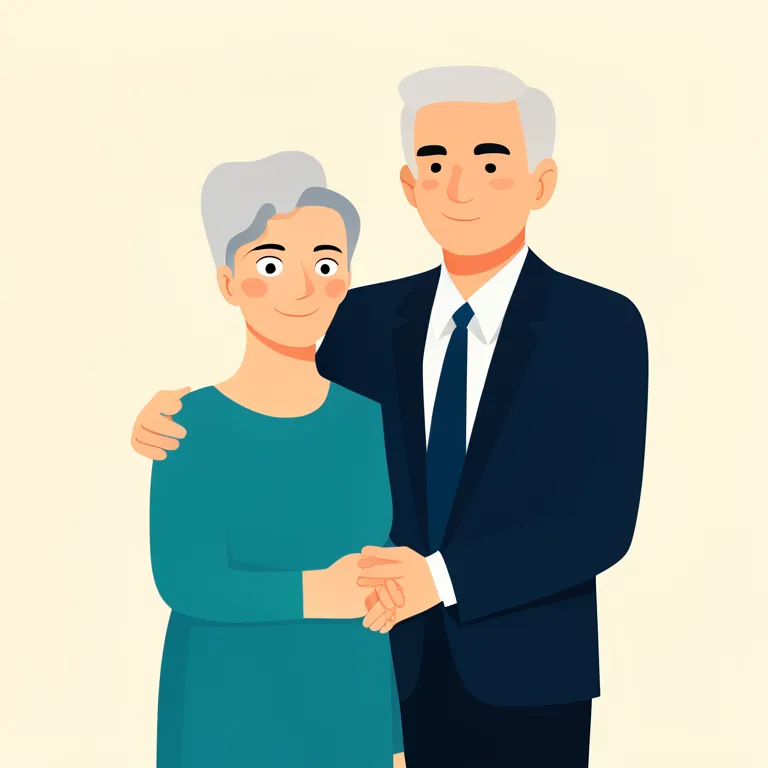
tast
father-in-law
nounthe wife's father
Forms
masculine noun case singular plural nom tast tastovi gen tasta tastova dat tastu tastovima acc tasta tastove voc taste tastovi ins tastom tastovima loc tastu tastovima 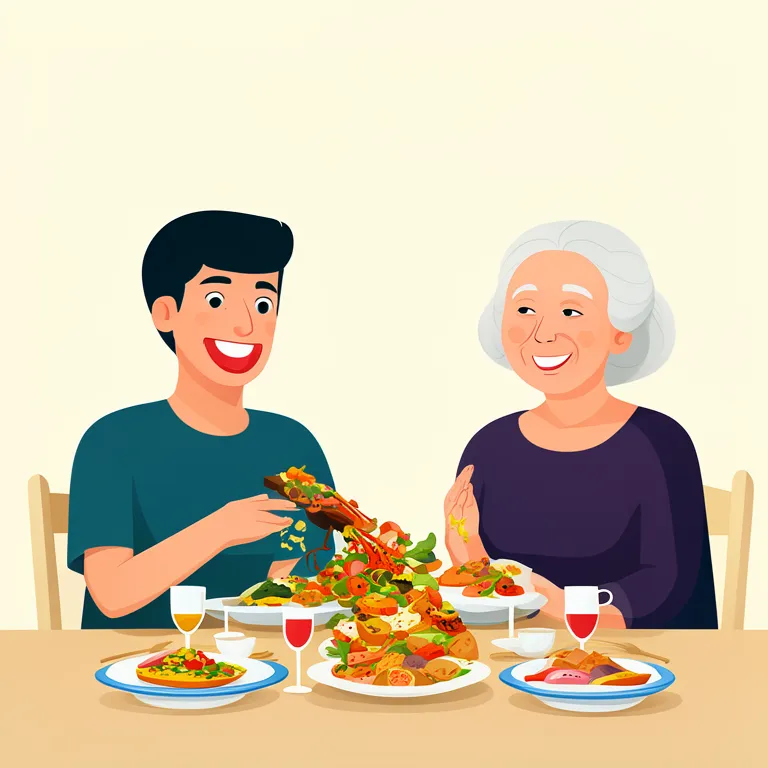
tašta
mother-in-law
nounthe wife's mother — counterpart of tast; the husband's mother is svekrva
Forms
case singular plural nom tašta tašte gen tašte — dat tašti taštama acc taštu tašte voc tašto tašte ins taštom taštama loc tašti taštama 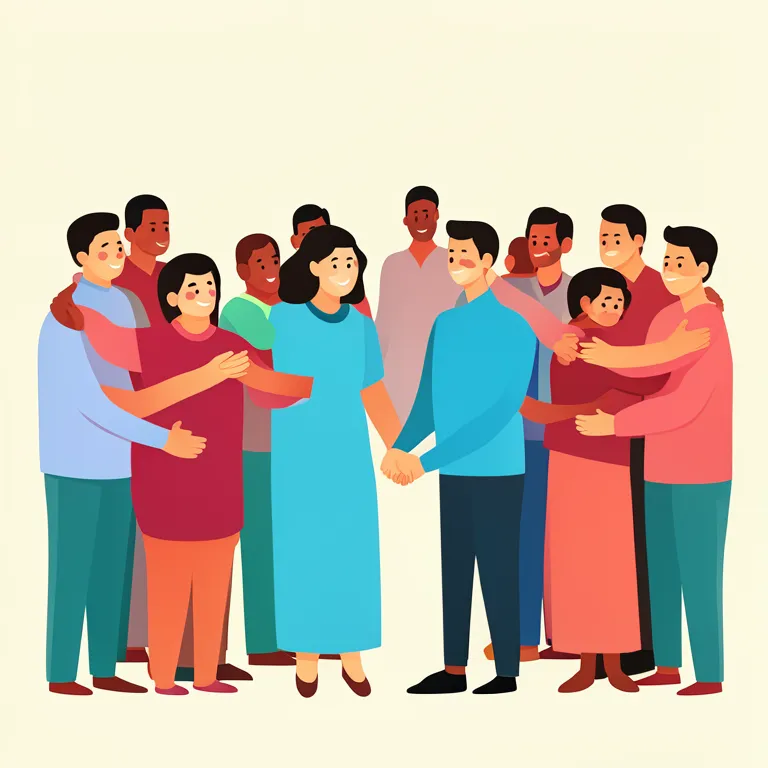
teča
uncle
nounan aunt's husband, i.e. an uncle by marriage
Forms
masculine noun case singular plural nom teča teče gen teče teča dat teči tečama acc teču teče voc tečo teče ins tečom tečama loc teči tečama 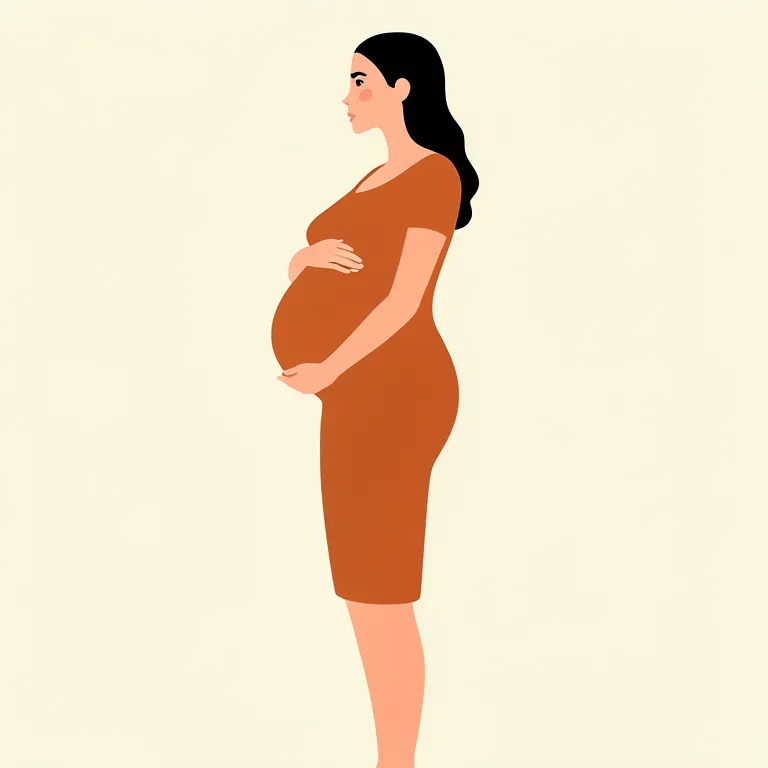
trudan
pregnant
adjectiveused of women, so almost always in the feminine form trudna
Forms
nominative gender singular plural masculine trudni / trudan trudni feminine trudna trudne neuter trudno trudna 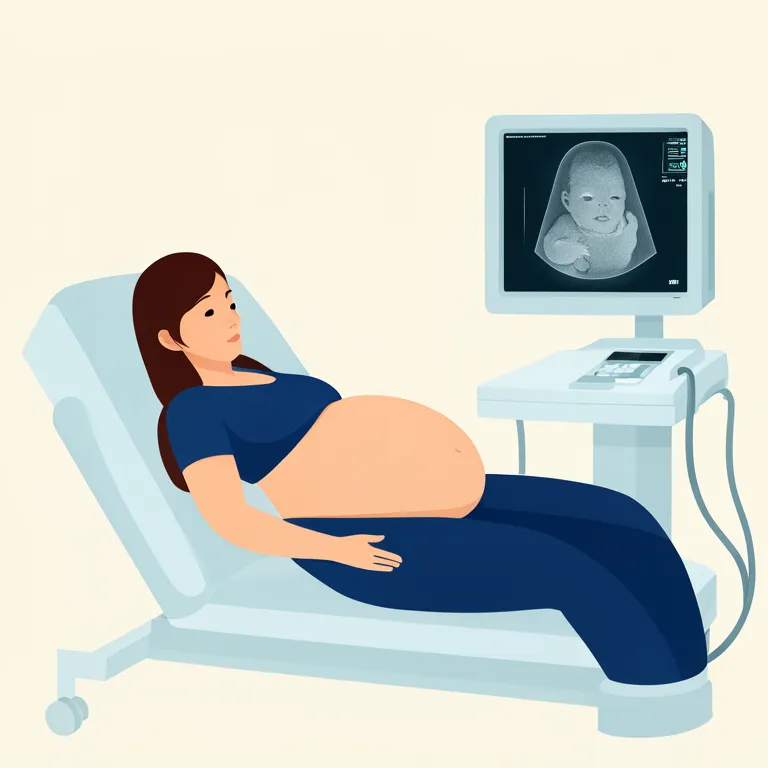
trudnoća
pregnancy
nounForms
feminine noun case singular plural nom trudnoća trudnoće gen trudnoće trudnoća dat trudnoći trudnoćama acc trudnoću trudnoće voc trudnoćo trudnoće ins trudnoćom trudnoćama loc trudnoći trudnoćama 
udat
married
adjectivesaid of a woman only, so nearly always in the feminine form udata; a man is oženjen
Forms
nominative gender singular plural masculine udat / udati udani / udati feminine udata / udana udate / udane neuter udano / udato udata / udana 
udati
to marry off (a daughter)
verbwith se, udati se, it is for a woman to get married
Forms
infinitive: udati · present tense person singular plural 1. udam udamo 2. udaš udate 3. uda udaju 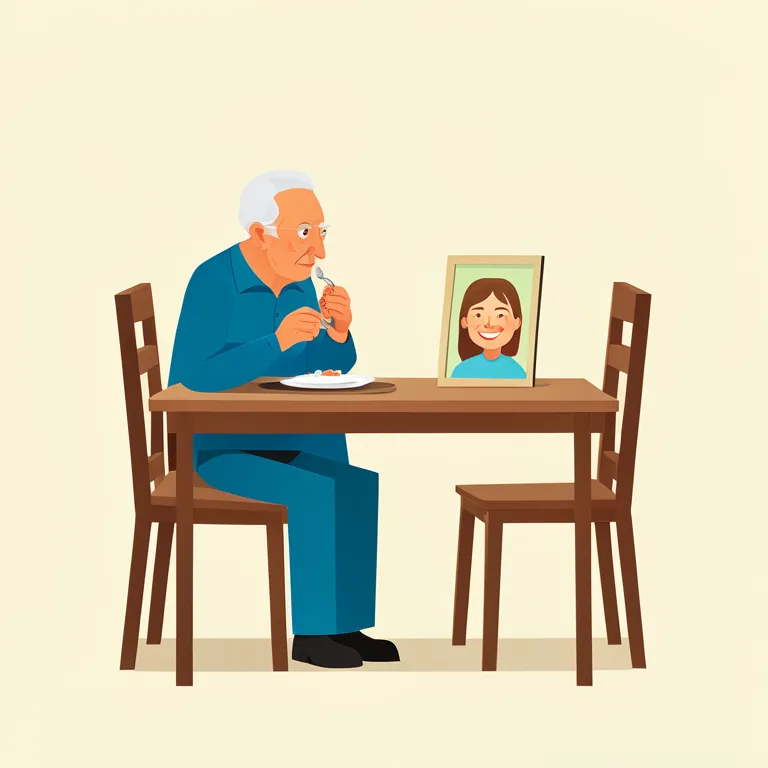
udovac
widower
nounForms
masculine noun case singular plural nom udovac udovci gen udovca udovaca dat udovcu udovcima acc udovca udovce voc udovče udovci ins udovcem udovcima loc udovcu udovcima 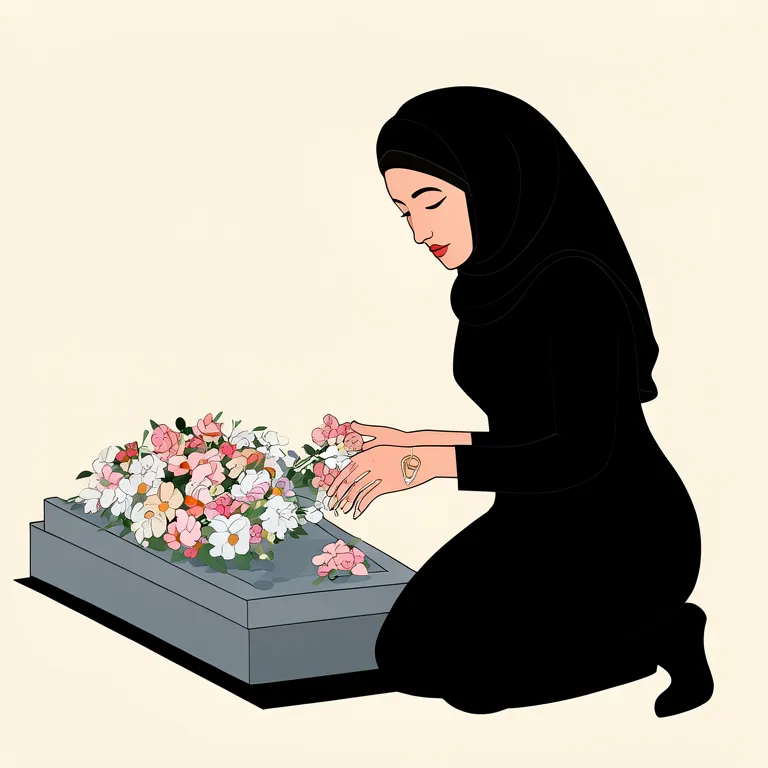
udovica
widow
nounForms
feminine noun case singular plural nom udovica udovice gen udovice udovica dat udovici udovicama acc udovicu udovice voc udovice udovice ins udovicom udovicama loc udovici udovicama 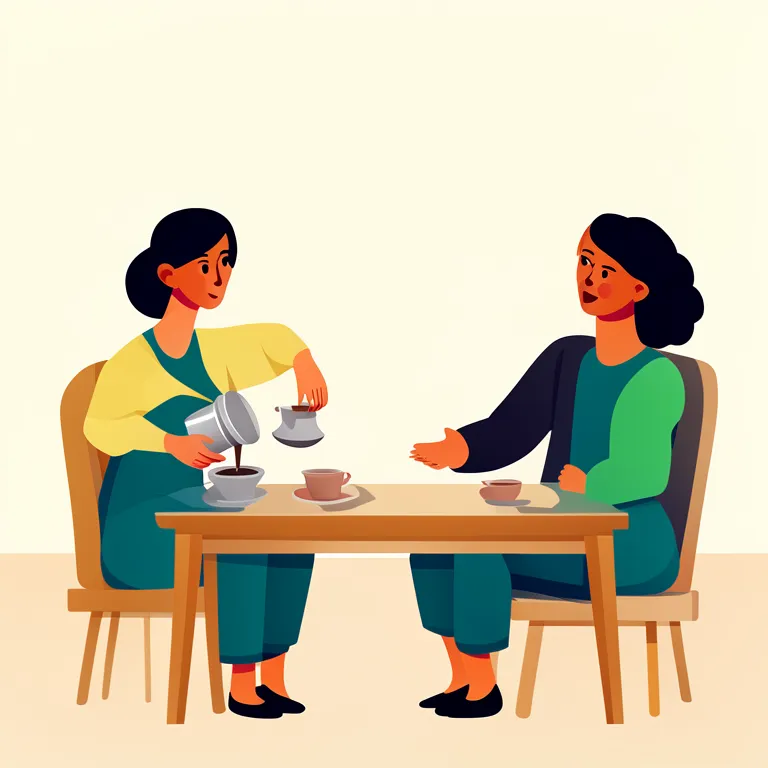
ujna
aunt
nounwife of the mother's brother
Forms
feminine noun case singular plural nom ujna ujne gen ujne ujni / ujna dat ujni ujnama acc ujnu ujne voc ujno ujne ins ujnom ujnama loc ujni ujnama 
usvojiti
to adopt
verba child
Forms
infinitive: usvojiti · present tense person singular plural 1. usvojim usvojimo 2. usvojiš usvojite 3. usvoji usvoje 
vaspitanje
upbringing
nounhow a child is raised at home, and the manners that result
Forms
neuter noun case singular plural nom vaspitanje vaspitanja gen vaspitanja vaspitanja dat vaspitanju vaspitanjima acc vaspitanje vaspitanja voc vaspitanje vaspitanja ins vaspitanjem vaspitanjima loc vaspitanju vaspitanjima 
venčati
to marry
verbof the person performing the ceremony; with se, venčati se, it is to get married
Forms
infinitive: venčati · present tense person singular plural 1. venčam venčamo 2. venčaš venčate 3. venča venčaju 
verenica
fiancée
nounForms
feminine noun case singular plural nom verenica verenice gen verenice verenica dat verenici verenicama acc verenicu verenice voc verenice verenice ins verenicom verenicama loc verenici verenicama 
verenik
fiancé
nounForms
masculine noun case singular plural nom verenik verenici gen verenika verenika dat vereniku verenicima acc verenika verenike voc vereniče verenici ins verenikom verenicima loc vereniku verenicima 
zaova
sister-in-law
nounthe husband's sister
Forms
feminine noun case singular plural nom zaova zaove gen zaove zaova dat zaovi zaovama acc zaovu zaove voc zaovo zaove ins zaovom zaovama loc zaovi zaovama 
zet
son-in-law; brother-in-law
nounthe man who marries into the family — a daughter's or a sister's husband
Forms
masculine noun case singular plural nom zet zetovi gen zeta zetova dat zetu zetovima acc zeta zetove voc zete zetovi ins zetom zetovima loc zetu zetovima
Sentences
Write it in Serbian
Don't you have children?
Talking to several people, or one person politely.
The sentence step, up close
The checking is smart. The standard is not.
A sentence from the course with a word from this topic. Type it, check it, then tap a marked word: the card behind it is the one above.
- 1
Every valid answer is accepted.
Word order, synonyms, a dropped pronoun: each sentence carries all of its accepted forms. This one takes 15.
- 2
Typos are forgiven, and flagged.
A slipped letter still counts as correct. A wrong ending never does; that is where the grammar lives.
- 3
Every miss lowers something specific.
A wrong form halves the level of that word or that rule, not of the whole sentence. Your weak spots come back sooner.
Your first 10 lessons are free, in any course. No card needed.
In the app
Add any of these words to what you are learning
- 1
Open the topic in the app's library: the same words, each with your own level on it.
- 2
Tap a word. The same card as here, with your level and the option to learn it.
- 3
Add it. It comes up in a session with its own tasks, then in repetition until it sticks.
More from the course
The grammar cards, the sample lesson, the glossary of terms and plain answers about the language.
The course →
Levels and lessons as published today, and one real lesson per level to walk through step by step.
Grammar →
Every rule the course teaches, in the order it is taught.
Guide →
Plain answers about the language: how hard it is, what to learn first, where your own language helps and where it misleads.
Grammar glossary →
The terms the grammar pages use, explained in plain English.
Start with one sentence.
Type it, get it wrong, understand why. That is the whole method.
Your first 10 lessons are free, in any course. No card needed.