124 words · A1 · A2 · Lesson 1–39
Time and dates
Telling the time, days of the week, months, seasons, and the words for when things happen: today, tomorrow, last year, always, never.
- 124 words, each with a picture and a voice
- The forms table of every word, the one the app shows
- Each card names the lesson where the course introduces the word
Your first 10 lessons are free, in any course. No card needed.
Vocabulary by topic
The words
In the order the course introduces them. Open a card for the full forms table; the lesson link takes you to that level.

tačno
exactly, that's right
adverbA1 · Lesson 1Forms
comparative tačnije superlative najtačnije 
danas
today
adverbA1 · Lesson 2Kako si danas?How are you today?
od
from
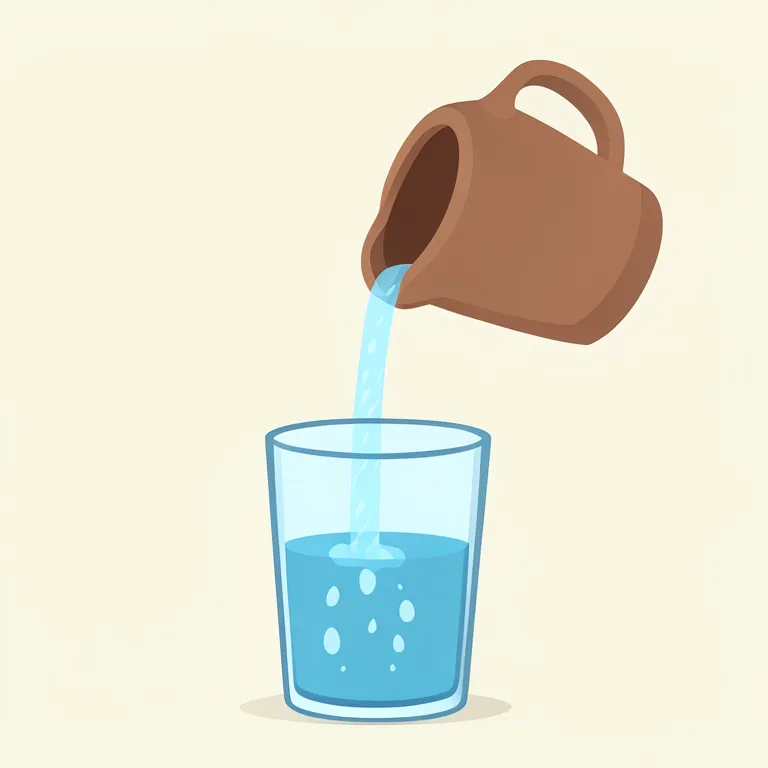
prepositionA1 · Lesson 2Dobijam recept od sestre.I get the prescription from the nurse.
sada
now
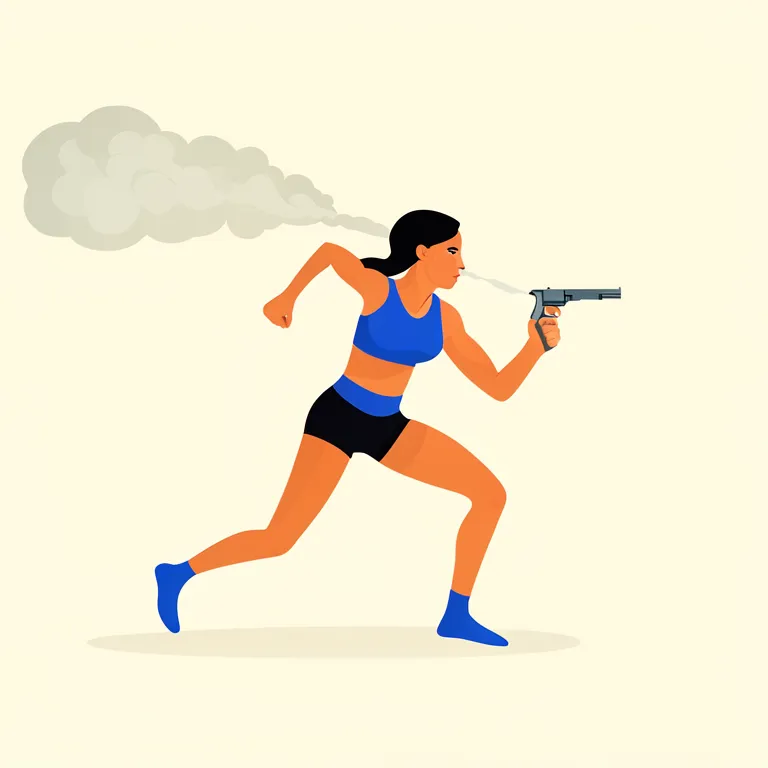
adverbA1 · Lesson 2Sada je noć.It is night now.

sutra
tomorrow
adverbA1 · Lesson 2Sutra ću imati novca.Tomorrow I will have money.

dan
day
nounA1 · Lesson 3Svaki dan trčim.I run every day.
Forms
masculine noun case singular plural nom dan dani gen dana dana dat danu danima acc dan dane voc dane dani ins danom danima loc danu danima 
jutro
morning
nounA1 · Lesson 4Celo jutro sam spavala.I slept all morning. (woman speaking)
Forms
neuter noun case singular plural nom jutro jutra gen jutra jutara dat jutru jutrima acc jutro jutra voc jutro jutra ins jutrom jutrima loc jutru jutrima 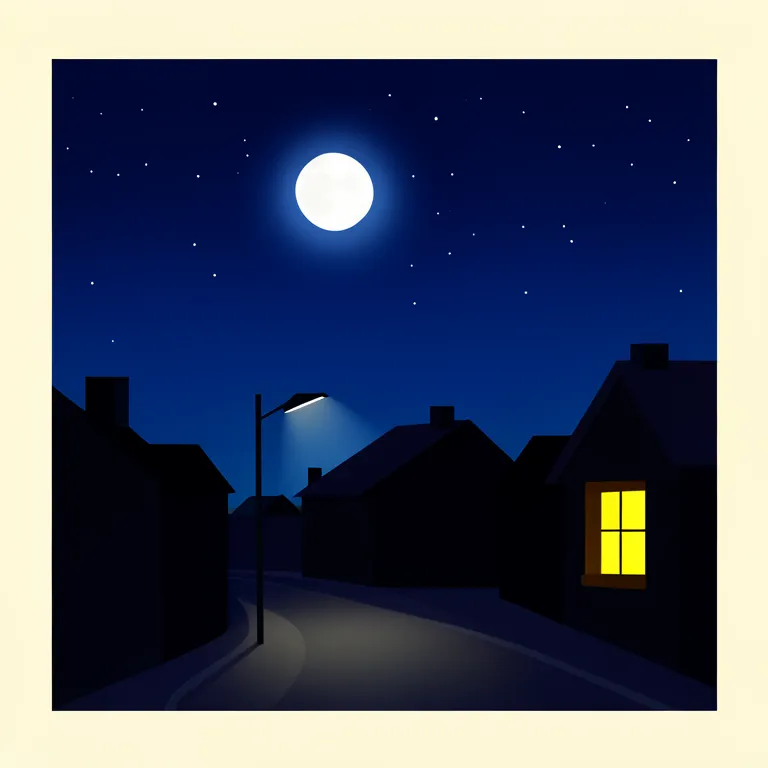
noć
night
nounA1 · Lesson 6One of the exceptions: it ends in a consonant but is feminine.
Sada je noć.It is night now.
Forms
feminine noun case singular plural nom noć noći gen noći noći dat noći noćima acc noć noći voc noći noći ins noći / noću noćima loc noći noćima 
onda
then
adverbA1 · Lesson 10Here it means "in that case", drawing a conclusion from what was just said. It also means "then, after that" in a sequence of events.
Pređimo most i onda skrenimo desno.Let's cross the bridge and then turn right.
godina
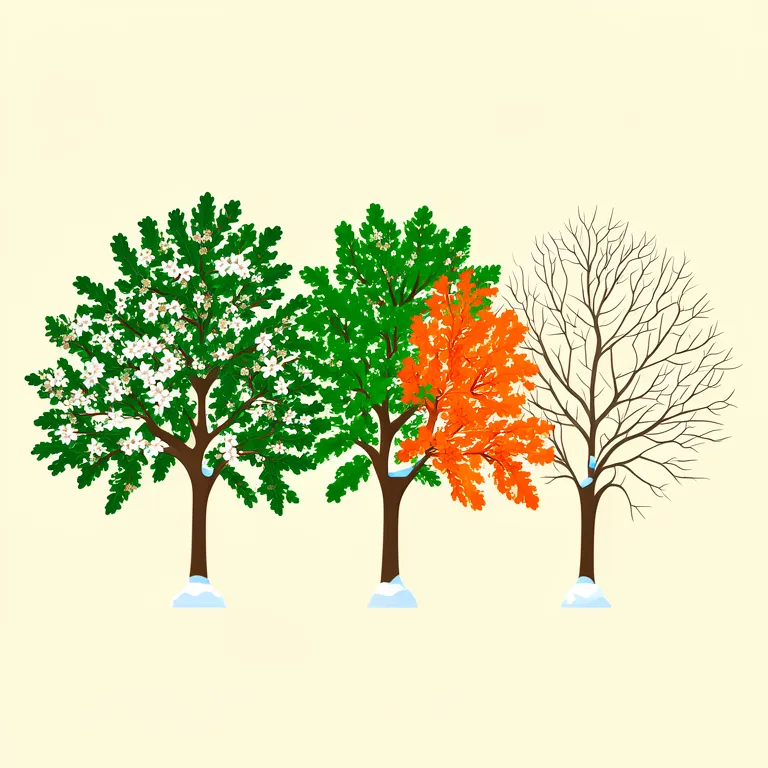
year
nounA1 · Lesson 11Kada je Nova godina?When is New Year?
Forms
feminine noun case singular plural nom godina godine gen godine godina dat godini godinama acc godinu godine voc godino godine ins godinom godinama loc godini godinama 
kada
when
adverbA1 · Lesson 11question word
Kada obično večeraš?When do you usually have dinner?

rođendan
birthday
nounA1 · Lesson 11Sledeću subotu slavimo rođendan.Next Saturday we are celebrating a birthday.
Forms
masculine noun case singular plural nom rođendan rođendani gen rođendana rođendana dat rođendanu rođendanima acc rođendan rođendane voc rođendane rođendani ins rođendanom rođendanima loc rođendanu rođendanima 
sat
hour; clock, watch
nounA1 · Lesson 11One word for the unit of time and for the object on the wall or the wrist.
Koliko je sati?What time is it?
Forms
masculine noun case singular plural nom sat sati / satovi gen sata satova / sati dat satu satovima / satima acc sat satove / sate voc satu / sate sati / satovi ins satom satovima / satima loc satu satovima / satima 
tačan
correct, accurate
adjectiveA1 · Lesson 11Also used of a person or a clock that is punctual.
Forms
nominative gender singular plural masculine tačni / tačan tačni feminine tačna tačne neuter tačno tačna 
često
often
adverbA1 · Lesson 12Ona često putuje na more.She often travels to the seaside.
Forms
comparative češće superlative najčešće 
dugo
for a long time
adverbA1 · Lesson 12About duration. It says how long, not how late.
Juče si spavao veoma dugo.You slept very long yesterday. (to a man)
Forms
comparative duže / dulje superlative najdulje / najduže 
kasno
late
adverbA1 · Lesson 12Late in the day, and also later than expected. But "I am late" is a verb in Serbian — kasnim — never ja sam kasno.
Mi obično kasno ručamo.We usually have lunch late.
Forms
comparative kasnije superlative najkasnije 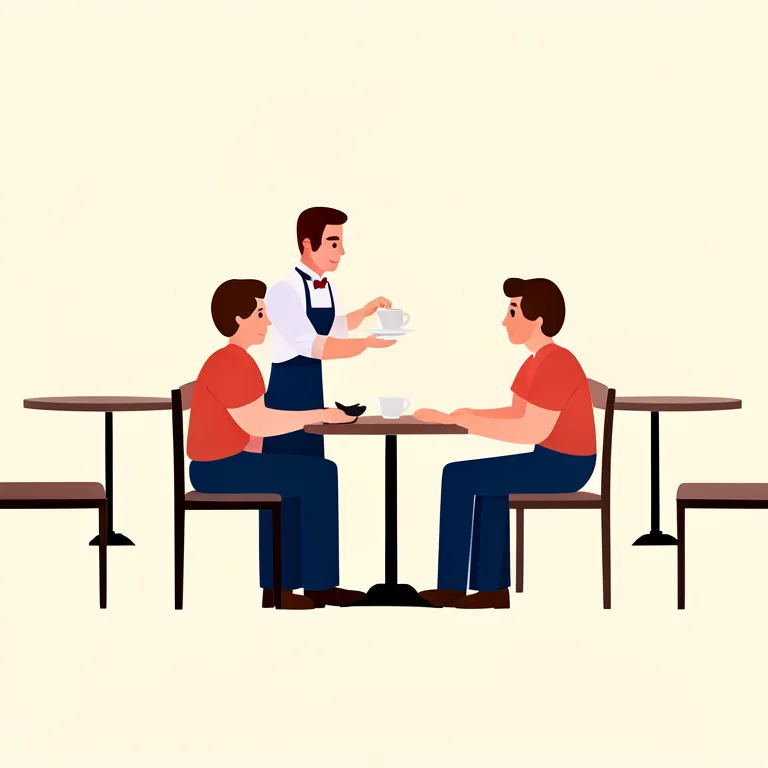
obično
usually
adverbA1 · Lesson 12Uveče obično čitam.In the evening I usually read.
Forms
comparative običnije superlative najobičnije 
popodne
afternoon; in the afternoon
nounA1 · Lesson 12A neuter noun, but most often used bare as a time word, like ujutru and uveče.
Marko popodne pliva.Marko swims in the afternoon.
Forms
neuter noun case singular plural nom popodne popodneva gen popodneva popodneva dat popodnevu popodnevima acc popodne popodneva voc popodne popodneva ins popodnevom popodnevima loc popodnevu popodnevima 
rano
early
adverbA1 · Lesson 12Deca uveče rano spavaju.The children go to sleep early in the evening.
Forms
comparative ranije superlative najranije 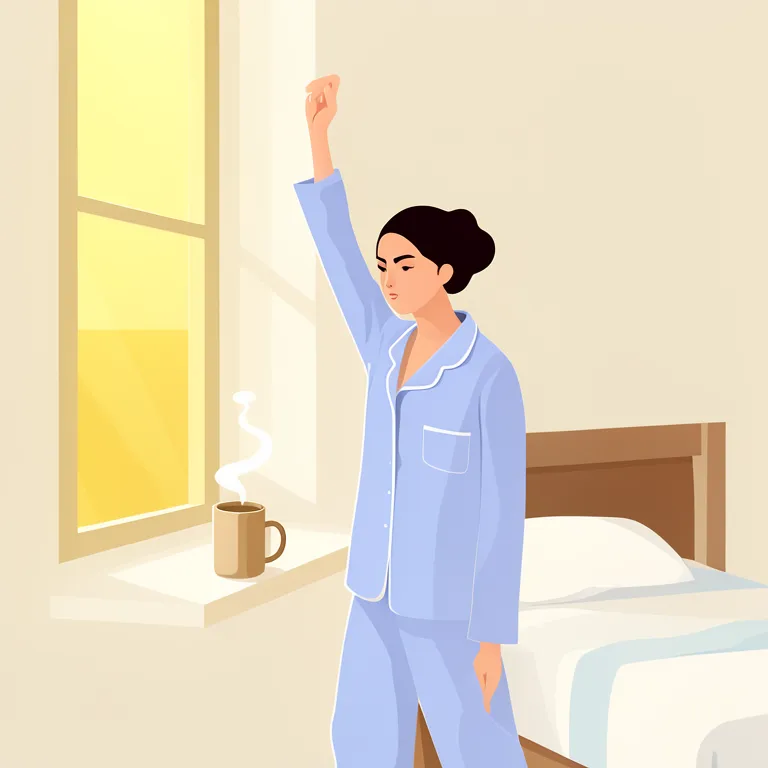
ujutru
in the morning
adverbA1 · Lesson 12A complete time expression on its own — no preposition in front of it.
Moj sin ujutru jede jaje.My son eats an egg in the morning.

uveče
in the evening
adverbA1 · Lesson 12A complete time expression on its own — no preposition in front of it.
Uveče obično čitam.In the evening I usually read.

uvek
always
adverbA1 · Lesson 12Ona uvek uzima salatu.She always takes a salad.
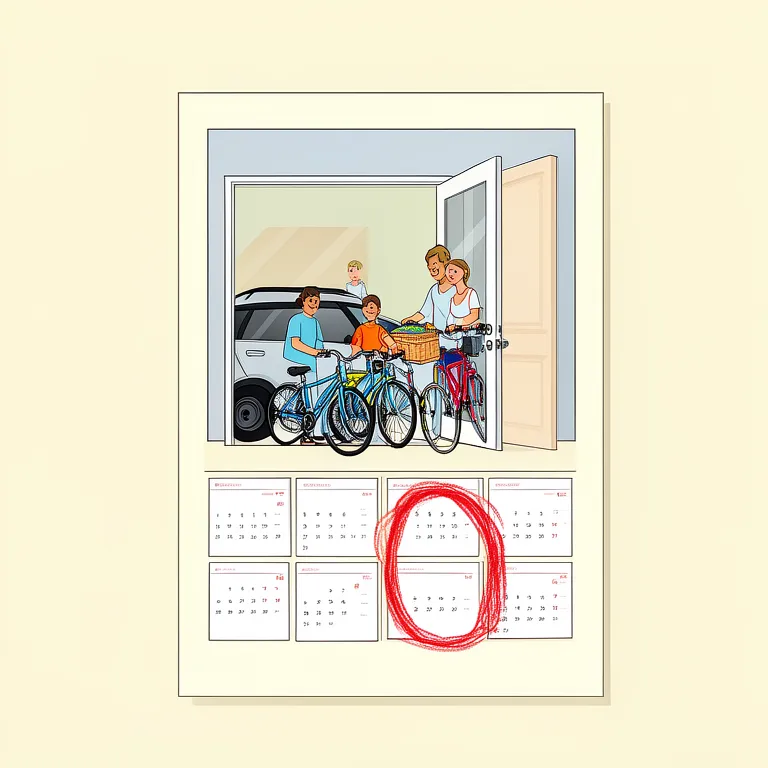
vikend
weekend
nounA1 · Lesson 13"On weekends" is expressed by a single form of this word rather than by a preposition.
Vi ne radite vikendom.You don't work on weekends.
Forms
masculine noun case singular plural nom vikend vikendi gen vikenda vikenda dat vikendu vikendima acc vikend vikende voc vikende vikendi ins vikendom vikendima loc vikendu vikendima 
još
still, else, more
adverbA1 · Lesson 14Ima li još sira?Is there any cheese left?
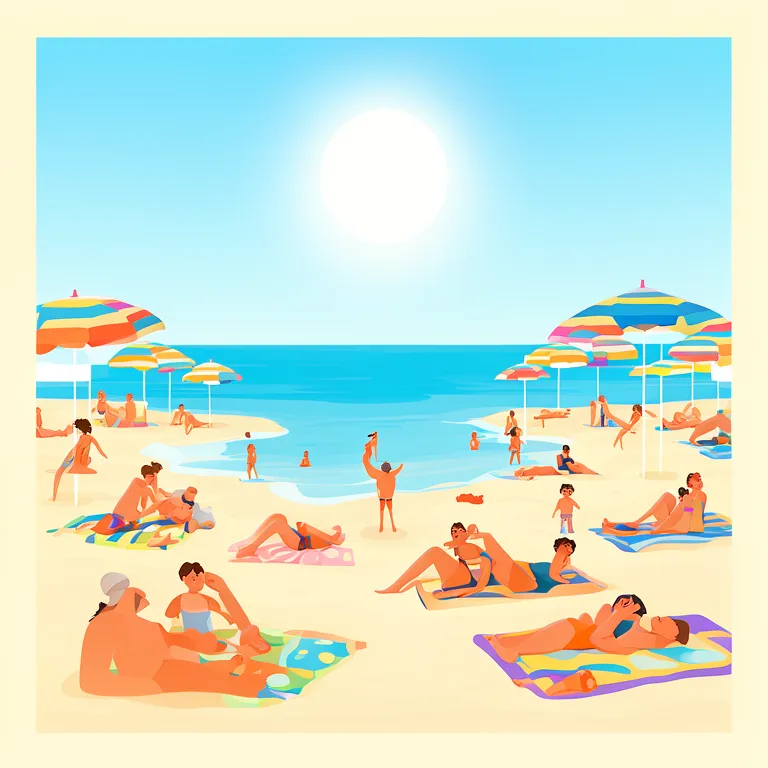
leto
summer
nounA1 · Lesson 14Nisi putovao prošlo leto.You didn't travel last summer. (to a man)
Forms
neuter noun case singular plural nom leto leta gen leta leta dat letu letima acc leto leta voc leto leta ins letom letima loc letu letima 
večeras
tonight, this evening
adverbA1 · Lesson 14Večeras smo u pozorištu.Tonight we are at the theatre.
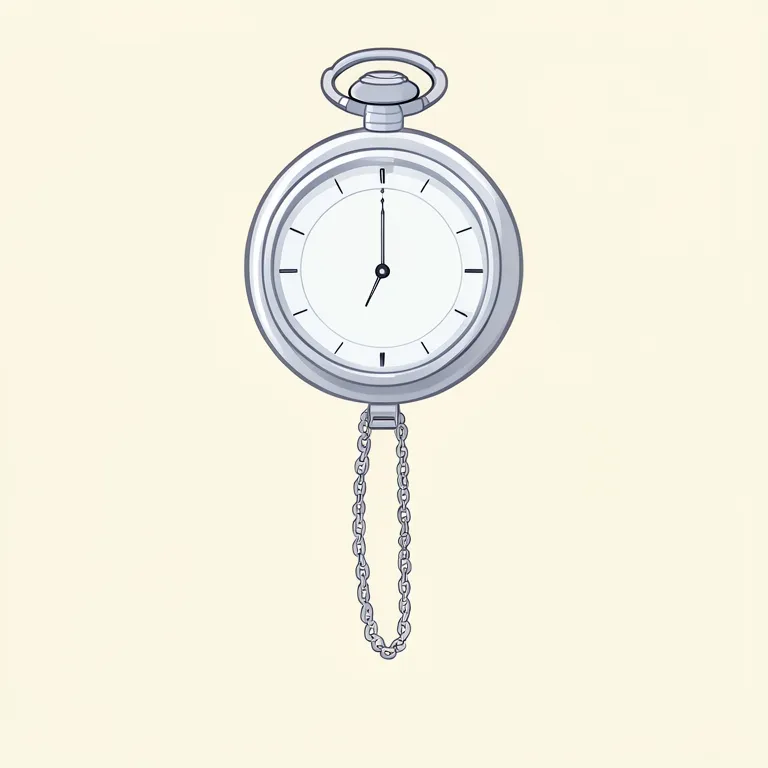
vreme
time
nounA1 · Lesson 14The same word also means weather.
Imam vremena.I have time.
Forms
neuter noun case singular plural nom vreme vremena gen vremena vremena dat vremenu vremenima acc vreme vremena voc vreme vremena ins vremenom vremenima loc vremenu vremenima 
nikad
never
adverbA1 · Lesson 15The verb still keeps its ne: the sentence has two negative words, which is correct in Serbian. The longer form nikada means the same thing.
Ti nikad ne gubiš.You never lose.
ponekad
sometimes
adverbA1 · Lesson 15
već
already
adverbA1 · Lesson 20Zar je već tri sata?Is it three o'clock already?

veče
evening
nounA1 · Lesson 20Neuter.
Zovem je svako veče.I call her every evening.
Forms
feminine noun case singular plural nom veče večeri gen večeri večeri dat večeri večerima acc veče večeri voc veče večeri ins večerju / večeri večerima loc večeri večerima 
praznik
holiday
nounA1 · Lesson 21A public or religious holiday, not a vacation — that is odmor.
Prvi maj je praznik.The first of May is a holiday.
Forms
masculine noun case singular plural nom praznik praznici gen praznika praznika dat prazniku praznicima acc praznik praznike voc prazniče praznici ins praznikom praznicima loc prazniku praznicima 
žuriti
to hurry
verbA1 · Lesson 21Heard both with and without se, with no change in meaning. I-class present.
Nemojte žuriti, imamo vremena.Don't hurry, we have time. (polite)
Forms
infinitive: žuriti · present tense person singular plural 1. žurim žurimo 2. žuriš žurite 3. žuri žure 
do
up to, until; as far as
prepositionA1 · Lesson 22Followed by the genitive. Also used for 'right next to' when one thing stands beside another.
Idem do apoteke.I am going as far as the pharmacy.

odmah
right away, immediately
adverbA1 · Lesson 22Of place it means right there, just beside.
Kad sam je video, odmah sam se nasmejao.When I saw her, I laughed straight away. (man speaking)
minut
minute
nounA1 · Lesson 24Čekam dva minuta i idem.I am waiting two minutes and then I am going.
Forms
masculine noun case singular plural nom minut minuti gen minuta minuta dat minutu minutima acc minut minute voc minute minuti ins minutom minutima loc minutu minutima 
avgust
August
nounA1 · Lesson 26Month names are ordinary masculine nouns and are written with a small letter.
Naši gosti nisu letovali do kraja avgusta.Our guests didn't stay on holiday until the end of August.
Forms
masculine noun case singular plural nom avgust avgusti gen avgusta avgusta dat avgustu avgustima acc avgust avguste voc avgustu avgusti ins avgustom avgustima loc avgustu avgustima 
kasniti
to be late, to run late
verbA1 · Lesson 27Of people and of transport: Voz kasni — the train is late. Present kasnim, kasni.
Nemoj da kasniš.Don't be late. (to a friend)
Forms
infinitive: kasniti · present tense person singular plural 1. kasnim kasnimo 2. kasniš kasnite 3. kasni kasne 
kratko
briefly, for a short time
adverbA1 · Lesson 29Adverb from the adjective kratak.
Forms
comparative kraće superlative najkraće 
nedelja
week; Sunday
nounA1 · Lesson 29period of seven days
U nedelju ne radimo.We don't work on Sunday.
Forms
feminine noun case singular plural nom nedelja nedelje / nedjelje gen nedelje / nedjelje nedelja dat nedelji nedeljama acc nedelju nedelje / nedjelje voc nedeljo nedjelje / nedelje ins nedeljom nedeljama loc nedelji nedeljama 
podne
noon, midday
nounA1 · Lesson 29Neuter. Time of day: u podne.
Forms
neuter noun case singular plural nom podne podneva gen podneva podneva dat podnevu podnevima acc podne podneva voc podne podneva ins podnevom podnevima loc podnevu podnevima 
trajati
to last, to go on
verbA1 · Lesson 29Used of stretches of time: Razgovor traje dugo.
Forms
infinitive: trajati · present tense person singular plural 1. trajem trajemo 2. traješ trajete 3. traje traju 
juče
yesterday
adverbA1 · Lesson 31Gde si bila juče?Where were you yesterday? (to a woman)

jutros
this morning
adverbA1 · Lesson 31One word, not u + jutro. There is a matching večeras for this evening.
Jutros je vetar hladan kao nož.This morning the wind is cold as a knife.

petak
Friday
nounA1 · Lesson 31The a drops out as soon as an ending is added: petka, petku, petkom. It stays in u petak (on Friday), which looks just like the plain form.
Neću putovati u petak.I will not travel on Friday.
Forms
masculine noun case singular plural nom petak petci gen petka petaka dat petku petcima acc petak petke voc petče / petku petci ins petkom petcima loc petku petcima 
ponedeljak
Monday
nounA1 · Lesson 31The first day of the Serbian week.
Ja ću raditi u ponedeljak.I will work on Monday.
Forms
masculine noun case singular plural nom ponedeljak ponedeljci gen ponedeljka ponedeljaka dat ponedeljku ponedeljcima acc ponedeljak ponedeljke voc ponedeljče / ponedeljku ponedeljci ins ponedeljkom ponedeljcima loc ponedeljku ponedeljcima 
prekjuče
the day before yesterday
adverbA1 · Lesson 31Da li si bio na koncertu prekjuče?Were you at the concert the day before yesterday? (to a man)
prošli
last, past
adjectiveA1 · Lesson 31Points backwards in time: the week or the weekend just gone.
Nisi putovao prošlo leto.You didn't travel last summer. (to a man)
Forms
nominative gender singular plural masculine prošli prošli feminine prošla prošle neuter prošlo prošla 
sinoć
last night
adverbA1 · Lesson 31Covers yesterday evening as well as the night itself.
Sinoć sam kuvao večeru za goste.Last night I cooked dinner for the guests. (man speaking)
sledeći
next, following
adjectiveA1 · Lesson 31The opposite of prošli.
Sledeću subotu slavimo rođendan.Next Saturday we are celebrating a birthday.
Forms
nominative gender singular plural masculine sledeć / sledeći sledeći feminine sledeća sledeće neuter sledeće sledeća 
subota
Saturday
nounA1 · Lesson 31Days of the week are written with a small letter in Serbian. To say on Saturday, use u plus the accusative: u subotu.
Doći ću u subotu.I will come on Saturday.
Forms
feminine noun case singular plural nom subota subote gen subote subota dat suboti subotama acc subotu subote voc suboto subote ins subotom subotama loc suboti subotama 
utorak
Tuesday
nounA1 · Lesson 31Radićeš ceo dan u utorak.You will work all day on Tuesday.
Forms
masculine noun case singular plural nom utorak utorci gen utorka utoraka dat utorku utorcima acc utorak utorke voc utorče / utorku utorci ins utorkom utorcima loc utorku utorcima 
četvrtak
Thursday
nounA1 · Lesson 33Danas je četvrtak.Today is Thursday.
Forms
masculine noun case singular plural nom četvrtak četvrtci gen četvrtka četvrtaka dat četvrtku četvrtcima acc četvrtak četvrtke voc četvrtče / četvrtku četvrtci ins četvrtkom četvrtcima loc četvrtku četvrtcima 
početi
to begin, to start
verbA1 · Lesson 33U ponedeljak ću početi novi posao.On Monday I will start a new job.
Forms
infinitive: početi · present tense person singular plural 1. počnem počnemo 2. počneš počnete 3. počne počnu 
prekosutra
the day after tomorrow
adverbA1 · Lesson 33Spakovaću kofer prekosutra.I will pack the suitcase the day after tomorrow.
sreda
Wednesday
nounA1 · Lesson 33Ovo je prva sreda u mesecu.This is the first Wednesday of the month.
Forms
feminine noun case singular plural nom sreda srede gen srede sreda dat sredi sredama acc sredu srede voc sredo srede ins sredom sredama loc sredi sredama 
tek
not until, only
adverbA1 · Lesson 33Of time: it says that something happens later than you might expect.

završiti
to finish
verbA1 · Lesson 33Forms
infinitive: završiti · present tense person singular plural 1. završim završimo 2. završiš završite 3. završi završe 
tada
then, at that time
adverbA1 · Lesson 34Points back to a time already mentioned, not to the next thing that happens.
april
April
nounA1 · Lesson 36Sastanak je u utorak, dvadeset drugi april.The meeting is on Tuesday, the twenty-second of April.
Forms
masculine noun case singular plural nom april aprili gen aprila aprila dat aprilu aprilima acc april aprile voc aprilu / aprile aprili ins aprilom aprilima loc aprilu aprilima 
datum
date
nounA1 · Lesson 36a date in the calendar
Forms
masculine noun case singular plural nom datum datumi gen datuma datuma dat datumu datumima acc datum datume voc datume datumi ins datumom datumima loc datumu datumima 
decembar
December
nounA1 · Lesson 36Danas je trideset prvi decembar.Today is the thirty-first of December.
Forms
masculine noun case singular plural nom decembar decembri gen decembra decembara dat decembru decembrima acc decembar decembre voc decembru / decembre decembri ins decembrom decembrima loc decembru decembrima 
februar
February
nounA1 · Lesson 36Forms
masculine noun case singular plural nom februar februari gen februara februara dat februaru februarima acc februar februare voc februaru februari ins februarom februarima loc februaru februarima 
januar
January
nounA1 · Lesson 36Month names are masculine and are written with a small letter.
Forms
masculine noun case singular plural nom januar januari gen januara januara dat januaru januarima acc januar januare voc januaru januari ins januarom januarima loc januaru januarima 
jul
July
nounA1 · Lesson 36Forms
masculine noun case singular plural nom jul / juli juli gen jula jula dat julu julima acc jul jule voc julu juli ins julom julima loc julu julima 
jun
June
nounA1 · Lesson 36Moj rođendan je osmi jun.My birthday is the eighth of June.
Forms
masculine noun case singular plural nom juni / jun juni gen juna juna dat junu junima acc jun june voc junu juni ins junom junima loc junu junima 
maj
May
nounA1 · Lesson 36Prvi maj je praznik.The first of May is a holiday.
Forms
masculine noun case singular plural nom maj maji / majevi gen maja majeva / maja dat maju majevima / majima acc maj maje / majeve voc maju maji / majevi ins majem / majom majevima / majima loc maju majima / majevima 
mart
March
nounA1 · Lesson 36Forms
masculine noun case singular plural nom mart marti / martovi gen marta marta / martova dat martu martovima / martima acc mart martove / marte voc martu / marte martovi / marti ins martom martima / martovima loc martu martima / martovima 
mesec
month
nounA1 · Lesson 36The same word also means 'moon'.
Sledeći mesec putujem u Beč.Next month I am travelling to Vienna.
Forms
masculine noun case singular plural nom mesec meseci gen meseca meseca / meseci dat mesecu mesecima acc mesec mesece voc meseče / mesece meseci ins mesecom mesecima loc mesecu mesecima 
novembar
November
nounA1 · Lesson 36Forms
masculine noun case singular plural nom novembar novembri gen novembra novembara dat novembru novembrima acc novembar novembre voc novembre / novembru novembri ins novembrom novembrima loc novembru novembrima 
oktobar
October
nounA1 · Lesson 36Danas je peti oktobar.Today is the fifth of October.
Forms
masculine noun case singular plural nom oktobar oktobri gen oktobra oktobara dat oktobru oktobrima acc oktobar oktobre voc oktobru / oktobre oktobri ins oktobrom oktobrima loc oktobru oktobrima 
pola
half
numeralA1 · Lesson 36In clock time Serbian counts toward the coming hour: `u pola devet` is half past EIGHT, not half past nine.

septembar
September
nounA1 · Lesson 36Forms
masculine noun case singular plural nom septembar septembri gen septembra septembara dat septembru septembrima acc septembar septembre voc septembru / septembre septembri ins septembrom septembrima loc septembru septembrima 
godišnji
annual, yearly
adjectiveA1 · Lesson 38Built from godina, so it describes whatever happens once a year.
Forms
nominative gender singular plural masculine godišnji / godišnj godišnji feminine godišnja godišnje neuter godišnje godišnja 
jesen
autumn, fall
nounA1 · Lesson 38Feminine even though it ends in a consonant — it belongs to the small group of feminine nouns that do.
Sledeću jesen idem u novu školu.Next autumn I am going to a new school.
Forms
feminine noun case singular plural nom jesen jeseni gen jeseni jeseni dat jeseni jesenima acc jesen jeseni voc jeseni jeseni ins jesenju / jeseni jesenima loc jeseni jesenima 
kalendar
calendar
nounA1 · Lesson 38Forms
masculine noun case singular plural nom kalendar kalendari gen kalendara kalendara dat kalendaru kalendarima acc kalendar kalendare voc kalendare kalendari ins kalendarom kalendarima loc kalendaru kalendarima 
ponoć
midnight
nounA1 · Lesson 38Feminine, like noć, which it is built from.
Prošlu noć sam radio do ponoći.Last night I worked until midnight. (man speaking)
Forms
feminine noun case singular plural nom ponoć ponoći gen ponoći ponoći dat ponoći ponoćima acc ponoć ponoći voc ponoći ponoći ins ponoći / ponoću ponoćima loc ponoći ponoćima 
proleće
spring
nounA1 · Lesson 38Šta si radio prošlo proleće?What did you do last spring? (to a man)
Forms
neuter noun case singular plural nom proleće proleća gen proleća proleća dat proleću prolećima acc proleće proleća voc proleće proleća ins prolećem prolećima loc proleću prolećima 
raspored
schedule, timetable
nounA1 · Lesson 38Forms
masculine noun case singular plural nom raspored rasporedi gen rasporeda rasporeda dat rasporedu rasporedima acc raspored rasporede voc rasporede rasporedi ins rasporedom rasporedima loc rasporedu rasporedima 
retko
rarely, seldom
adverbA1 · Lesson 38Forms
comparative ređe superlative najređe 
zima
winter
nounA1 · Lesson 38Also used for the feeling: hladno mi je and zima mi je both say you are cold.
Ova zima je hladna kao led.This winter is cold as ice.
Forms
feminine noun case singular plural nom zima zime gen zime zima dat zimi zimama acc zimu zime voc zimo zime ins zimom zimama loc zimi zimama 
zora
dawn, daybreak
nounA1 · Lesson 38Forms
feminine noun case singular plural nom zora zore gen zore zora dat zori zorama acc zoru zore voc zoro zore ins zorom zorama loc zori zorama 
godišnjica
anniversary
nounA1 · Lesson 39Ovaj prsten je poklon za godišnjicu.This ring is a present for the anniversary.
Forms
feminine noun case singular plural nom godišnjica godišnjice gen godišnjice godišnjica dat godišnjici godišnjicama acc godišnjicu godišnjice voc godišnjico godišnjice ins godišnjicom godišnjicama loc godišnjici godišnjicama
More words of the topic
Not introduced in a lesson yet. In the app you add them from the topic and learn them the same way as the rest.

budilnik
alarm clock
nounForms
masculine noun case singular plural nom budilnik budilnici gen budilnika budilnika dat budilniku budilnicima acc budilnik budilnike voc budilniče budilnici ins budilnikom budilnicima loc budilniku budilnicima 
budući
future, coming
adjectiveas an adjective: a future husband, the coming week
Forms
nominative gender singular plural masculine buduć / budući budući feminine buduća buduće neuter buduće buduća 
budućnost
the future
nounForms
feminine noun case singular plural nom budućnost budućnosti gen budućnosti budućnosti dat budućnosti budućnostima acc budućnost budućnosti voc budućnosti budućnosti ins budućnosti / budućnošću budućnostima loc budućnosti budućnostima 
četvrt
quarter
nouna quarter of an hour, or of anything; also a district of a town
Forms
feminine noun case singular plural nom četvrt četvrti gen četvrti četvrti dat četvrti četvrtima acc četvrt četvrti voc četvrti četvrti ins četvrti / četvrću četvrtima loc četvrti četvrtima 
danju
by day, in the daytime
adverb
davno
long ago, a long time ago
adverbForms
comparative davnije superlative najdavnije 
decenija
decade
nounForms
feminine noun case singular plural nom decenija decenije gen decenije decenija dat deceniji decenijama acc deceniju decenije voc decenijo decenije ins decenijom decenijama loc deceniji decenijama 
dnevni
daily, day-
adjectiveMostly met in the fixed combination dnevna soba, 'living room' (literally 'day room').
Forms
nominative gender singular plural masculine dnevni dnevni feminine dnevna dnevne neuter dnevno dnevna 
doba
time, age, era
nouna stretch of time with its own character: a time of day, a season, a historical age
Forms
neuter noun case singular plural nom doba dobe / doba gen doba / dobe doba dat dobi / dobu dobama / dobima acc doba / dobu doba / dobe voc dobo / doba doba / dobe ins dobom dobama / dobima loc dobi / dobu dobima / dobama 
godišnje doba
season
nounone of the four seasons of the year, not a sports or TV season
Forms
neuter noun case singular plural nom godišnje doba — gen godišnjeg doba — dat godišnjem dobu — acc godišnje doba — voc godišnje dobo — ins godišnjim dobom — loc godišnjem dobu — 
kasan
late
adjectiveas an adjective: a late hour, late autumn
Forms
nominative gender singular plural masculine kasni / kasan kasni feminine kasna kasne neuter kasno kasna 
kasnije
later
adverb
mesečni
monthly
adjectiveFrom mesec, month. A mesečna karta is a monthly travel pass.
Forms
nominative gender singular plural masculine mesečni mesečni feminine mesečna mesečne neuter mesečno mesečna 
nedavno
recently
adverbForms
comparative nedavnije superlative najnedavnije 
nedeljni
weekly; Sunday-
adjectiveForms
nominative gender singular plural masculine nedeljni nedeljni feminine nedeljna nedeljne neuter nedeljno nedeljna 
nekad
once, formerly; sometimes
adverbat some time in the past, or at some times

noću
at night, by night
adverb
oko
around; about, concerning
prepositiontakes the genitive; pomagati nekome oko nečega = to help someone with something
period
period, span of time
nounForms
masculine noun case singular plural nom period periodi gen perioda perioda dat periodu periodima acc period periode voc periode periodi ins periodom periodima loc periodu periodima 
posle
after
prepositiontakes the genitive: posle časa, posle škole; on its own it is an adverb, 'afterwards'

pre
ago; before
prepositionTakes the genitive: pre dve godine (two years ago).

prepodne
late morning, forenoon
nounthe part of the day before noon
Forms
neuter noun case singular plural nom prepodne prepodneva gen prepodneva prepodneva dat prepodnevu prepodnevima acc prepodne prepodneva voc prepodne prepodneva ins prepodnevom prepodnevima loc prepodnevu prepodnevima 
prošlost
the past
nounForms
feminine noun case singular plural nom prošlost prošlosti gen prošlosti prošlosti dat prošlosti prošlostima acc prošlost prošlosti voc prošlosti prošlosti ins prošlošću / prošlosti prošlostima loc prošlosti prošlostima 
rani
early
adjectiveas an adjective: an early train, early spring
Forms
nominative gender singular plural masculine rani rani feminine rana rane neuter rano rana 
ranije
earlier, before
adverb
rok
rock (music); deadline
nounHere the music style; the same word also means a deadline or time limit.
Forms
masculine noun case singular plural nom rok rokovi gen roka rokova dat roku rokovima acc rok rokove voc roke / roku rokovi ins rokom rokovima loc roku rokovima 
sadašnjost
the present
nounthe present time, not a gift
Forms
feminine noun case singular plural nom sadašnjost sadašnjosti gen sadašnjosti sadašnjosti dat sadašnjosti sadašnjostima acc sadašnjost sadašnjosti voc sadašnjosti sadašnjosti ins sadašnjošću / sadašnjosti sadašnjostima loc sadašnjosti sadašnjostima 
sekunda
second
nounthe unit of time
Forms
feminine noun case singular plural nom sekunda sekunde gen sekunde sekundi / sekunda dat sekundi sekundama acc sekundu sekunde voc sekundo sekunde ins sekundom sekundama loc sekundi sekundama 
stalno
constantly, all the time
adverbForms
comparative stalnije superlative najstalnije 
sumrak
dusk, twilight
nounForms
masculine noun case singular plural nom sumrak sumraci gen sumraka sumraka dat sumraku sumracima acc sumrak sumrake voc sumrače sumraci ins sumrakom sumracima loc sumraku sumracima 
sutradan
the next day, the following day
adverbthe day after some past or future day, not after today

svakodnevan
everyday, daily
adjectivethe definite form is svakodnevni
Forms
nominative gender singular plural masculine svakodnevni / svakodnevan svakodnevni feminine svakodnevna svakodnevne neuter svakodnevno svakodnevna 
svakodnevno
every day, daily
adverbForms
comparative svakodnevnije superlative najsvakodnevnije 
tokom
during, in the course of
prepositiontakes the genitive

trenutak
moment, instant
nounForms
masculine noun case singular plural nom trenutak trenutci / trenuci gen trenutka trenutaka dat trenutku trenucima / trenutcima acc trenutak trenutke voc trenuče / trenutku trenutci / trenuci ins trenutkom trenucima / trenutcima loc trenutku trenutcima / trenucima 
trenutno
currently, at the moment
adverbForms
comparative trenutnije superlative najtrenutnije 
upravo
just now; exactly, precisely
adverb
uskoro
soon
adverb
vek
century
nounForms
masculine noun case singular plural nom vek vekovi gen veka vekova dat veku vekovima acc vek vekove voc veku / veče vekovi ins vekom vekovima loc veku vekovima 
zauvek
forever
adverb
Sentences
Write it in Serbian
I slept all morning. (woman speaking)
The sentence step, up close
The checking is smart. The standard is not.
A sentence from the course with a word from this topic. Type it, check it, then tap a marked word: the card behind it is the one above.
- 1
Every valid answer is accepted.
Word order, synonyms, a dropped pronoun: each sentence carries all of its accepted forms. This one takes 12.
- 2
Typos are forgiven, and flagged.
A slipped letter still counts as correct. A wrong ending never does; that is where the grammar lives.
- 3
Every miss lowers something specific.
A wrong form halves the level of that word or that rule, not of the whole sentence. Your weak spots come back sooner.
Your first 10 lessons are free, in any course. No card needed.
In the app
Add any of these words to what you are learning
- 1
Open the topic in the app's library: the same words, each with your own level on it.
- 2
Tap a word. The same card as here, with your level and the option to learn it.
- 3
Add it. It comes up in a session with its own tasks, then in repetition until it sticks.
More from the course
The grammar cards, the sample lesson, the glossary of terms and plain answers about the language.
The course →
Levels and lessons as published today, and one real lesson per level to walk through step by step.
Grammar →
Every rule the course teaches, in the order it is taught.
Guide →
Plain answers about the language: how hard it is, what to learn first, where your own language helps and where it misleads.
Grammar glossary →
The terms the grammar pages use, explained in plain English.
Start with one sentence.
Type it, get it wrong, understand why. That is the whole method.
Your first 10 lessons are free, in any course. No card needed.