Gerçek bir ders, adım adım

  1. A1
  2. A2
  3. B1

Ders 1 / 48There was / there were: geçmişte vardı, yoktu

Kurstaki her ders aynı altı adımdan oluşur. Bu, 1. dersin bugün uygulamada olduğu hâli, kısaltılmış olarak. Her adımı dene.

Dilbilgisi

Bir kural, açıklanmış

Ders teoriyle açılır ve bir testle pekiştirilir. İşte başlangıcı ve 14 sorusundan 3’ü.

A2 · There was / there were: geçmişte vardı, yoktu

Şu an var olanı zaten söyleyebiliyorsun: There is a bakery on the corner. There are two schools in my town. Be fiilinin geçmişini de biliyorsun: tekil için was, çoğul için were. İkisini birleştirince Türkçedeki vardı ve yoktu ortaya çıkar; böylece memleketinin eskiden nasıl olduğunu anlatabilirsin.

Bir şeyin var olduğunu söylemek

is yerine was, are yerine were koy; başka hiçbir şey değişmez. There başta kalır, fiil onu izler, var olan şey fiilden sonra gelir.

tekil ve sayılamayan için was, çoğul için were
ŞimdiGeçmişteNe ile kullanılır
There is a bakery on the corner.There was a bakery on the corner.tek bir şey (tekil isim)
There is a lot of noise.There was a lot of noise.sayılamayan bir şey (sayılamayan isim)
There are two schools.There were two schools.birden fazla şey (çoğul isim)

Türkçede vardı hiç değişmez: bir okul vardı, iki okul vardı. İngilizcede fiil, there ile değil, ardından gelen isimle uyum gösterir. İsme bak: tek mi (ya da sayılamaz mı)? was. Birden fazla mı? were. İki fark daha: sayıdan sonra İngilizce isim çoğul olur (iki okul ama two schools), ve tekil sayılabilir isim a / an ister; Türkçedeki gibi tanımlıksız bırakılmaz.

Bir şeyin olmadığını söylemek

Türkçede olumsuz ayrı bir kelimedir: yoktu. İngilizcede yeni kelime yok: fiilin arkasına not eklenir ve konuşmada neredeyse hep kısaltılır: wasn't, weren't. Olumsuz cümlede çoğul ya da sayılamayan isim genellikle any (hiç) ile gelir; tekil isim a / an'ı korur.

Kural sayfasını aç →

Kısa test · 3 / 14

  1. There(be) a bakery on the corner when I was small.

  2. There(be) a lot of noise in the square every Saturday.

  3. ___ always a lot of tourists in the town in August.
Kelimeler

Yeni kelimeler

31 yeni kelime; her biri resmi, sesi ve bütün biçimleriyle. Biçimleri aç; yazımını kontrol etmek için kelimeyi yaz.

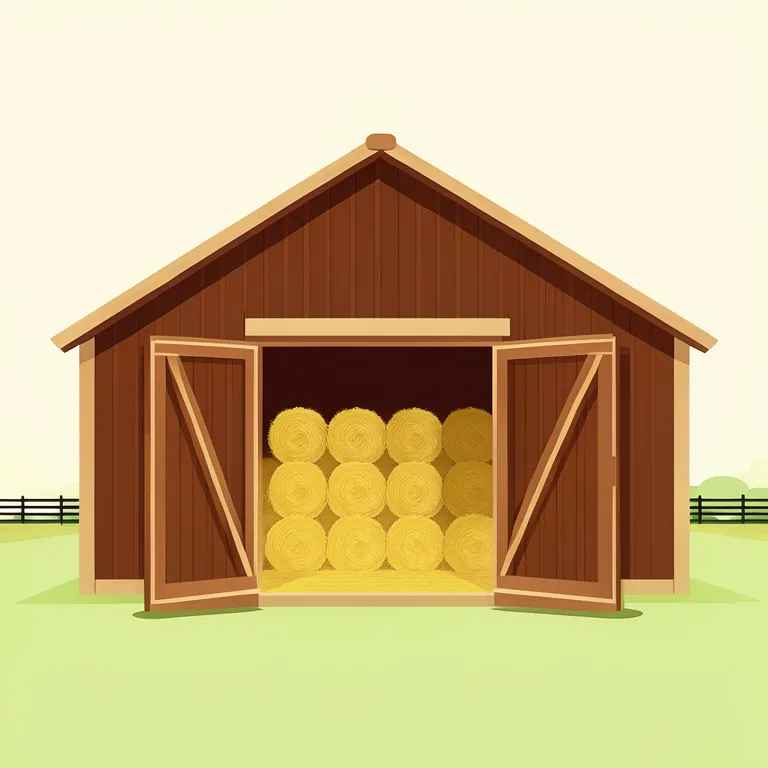
barn

barn

ahır; samanlık

isim
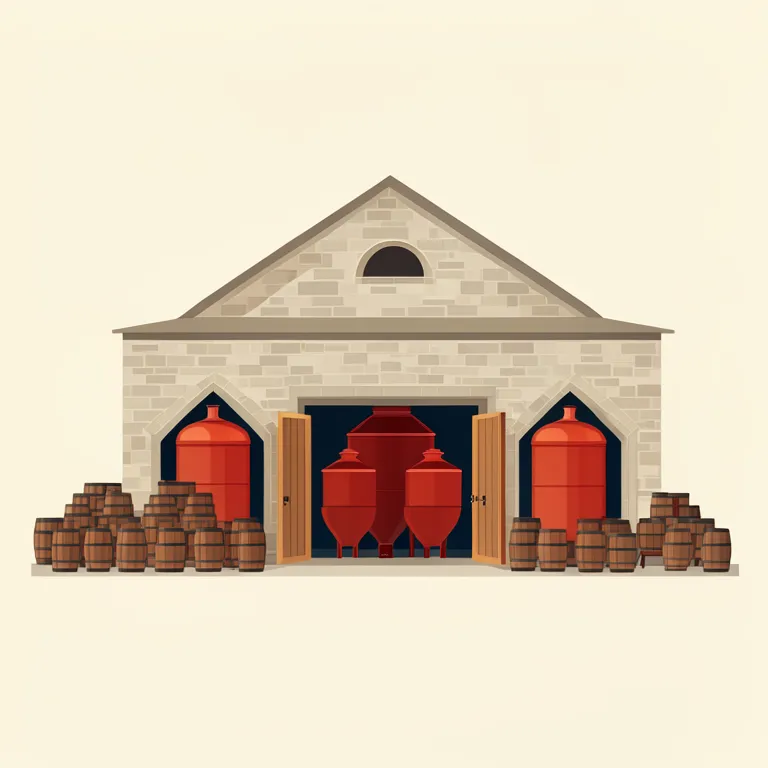
brewery

brewery

bira fabrikası

isim
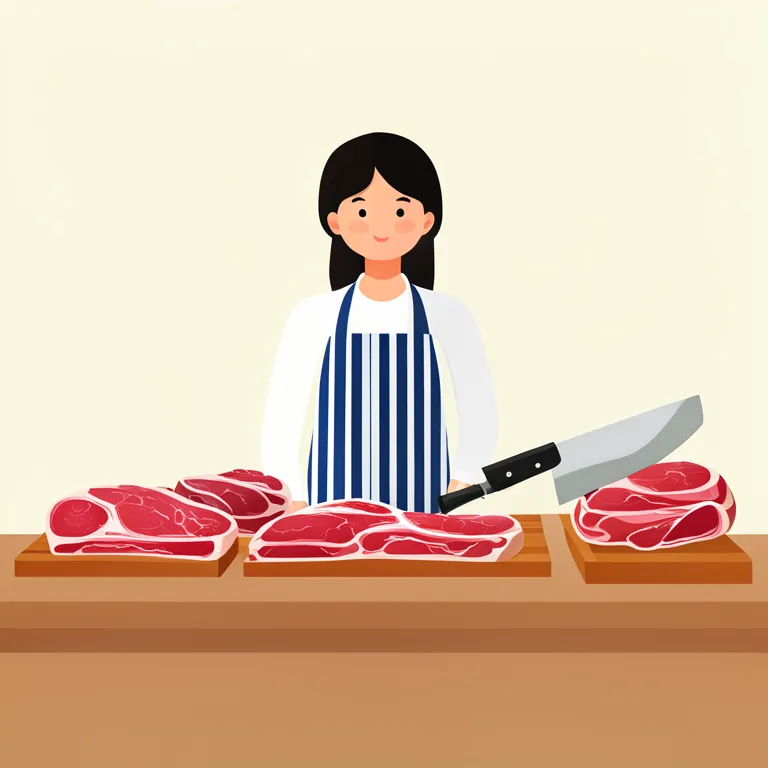
butcher

butcher

kasap

isim

Dükkânın adı iyelik ekiyle söylenir: *the butcher's*.

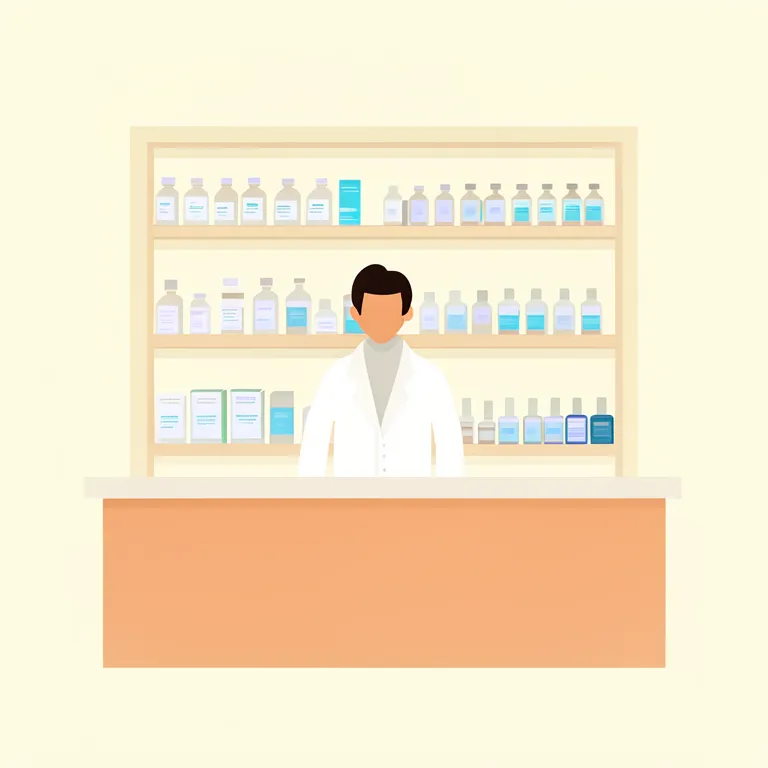
chemist

chemist

eczacı; eczane

isim

ilaç satan dükkân ya da orada çalışan kişi

Is the chemist still open?Eczane hâlâ açık mı?

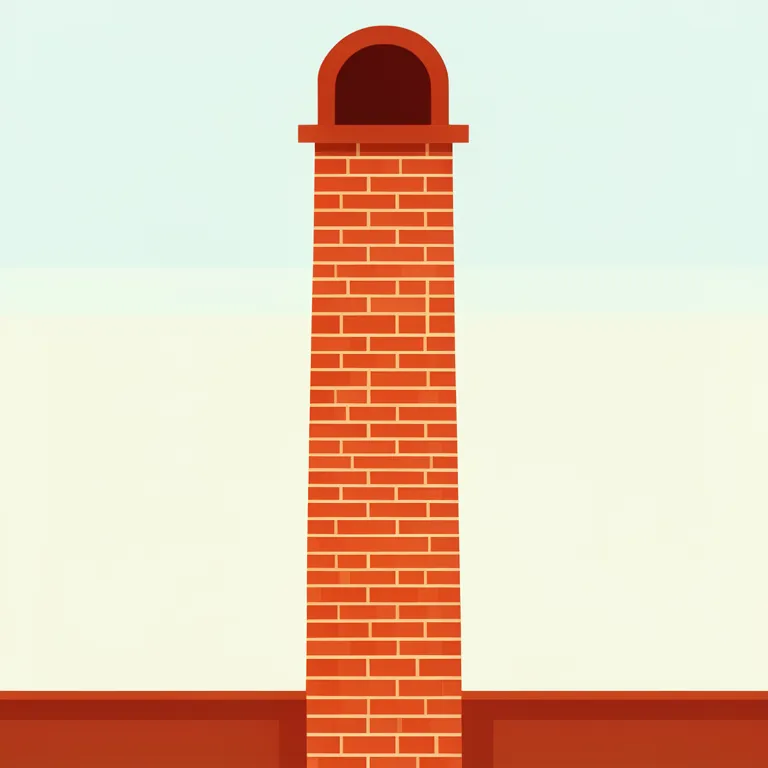
chimney

chimney

baca

isim
clinic

clinic

klinik

isim

Okuma

Okuma

Yalnızca bildiğin kelimelerle kurulmuş, sesli ve sorulu kısa bir metin.

My hometown, then and now

I grew up in a small town by the river. When I was a child, there was a castle on the hill, and there were fields all around the town. There was an old mill by the bridge, and my grandfather worked there for thirty years. In the square there was a fountain, and there were always children playing around it. There wasn't a supermarket in those days. There was a market on Saturdays, and there were three small shops on the main road. There weren't any traffic lights, because there wasn't much traffic. Last year I went back. The castle is still there, but the mill is a restaurant now. There is a big supermarket next to the bus station, and there are traffic lights on every corner. The fields are gone. There are new houses there now. It is a nice town, but it isn't my town any more.

  1. What was there on the hill?

  2. Where did the writer's grandfather work?

Diyalog

Diyalog

İki ses, replik replik. Dinle, sonra cevap ver.

Was there a cinema?

  1. Tom

    So you grew up in a village? Was there a cinema?

  2. Anna

    A cinema? No, there wasn't. There was one pub and a church.

  3. Tom

    Were there any shops?

  4. Anna

    One. It was a bakery and a post office at the same time.

  5. Tom

    And a school?

  6. Anna

    Yes, there was a small school. There were twenty children in the whole village.

  7. Tom

    Twenty! In my town there were two thousand kids and there weren't enough teachers.

  8. Anna

    Was there a lot of noise?

  9. Tom

    All day. Cars, buses, factories. There wasn't a quiet street anywhere.

  10. Anna

    In our village there was only one road, and there weren't any cars on it.

  1. Was there a cinema in Anna's village?

  2. How many children were there in Anna's village?

Tekrar

Tekrar

Bu dersin kuralı ve kelimeleri bir takvime göre geri gelir; yanlış yaptığın her şey daha erken. Bu sayfanın senin için kuracağı sıra bu.

Sırada

Şimdilik hata yok. Yukarıda bir şeyi yanlış yap, ilk olarak buraya düşer.

Daha sonra

A2 dersleri

Bugün A2 seviyesinde 48 ders var. Az önce 1. dersi gördün. Her ders aynı altı adımdan geçer.

  1. 1There was / there were: geçmişte vardı, yoktubu ders
  2. 2Geçmiş zaman ifadeleri: ago, last, in
  3. 3Past continuous: olumlu cümle
  4. 4Past continuous: olumsuz ve soru
  5. 5Past simple ve past continuous bir arada
  6. 6used to: geçmişteki alışkanlıklar
  7. 7Present perfect: olumlu
  8. 8Present perfect: olumsuz ve soru
  9. 9just, already ve yet
  10. 10for ve since
  11. 11Present perfect mi, past simple mı?
  12. 12will ile gelecek zaman
  13. 13will mi, going to mı?
  14. 14Önceden ayarlanmış planlar için present continuous
  15. 15Birinci tip koşul cümlesi (first conditional)
  16. 16when, as soon as, before, after, until: gelecekten söz eden zaman cümleleri
  17. 17Tavsiye için should
  18. 18have to ve don't have to
  19. 19might ve may: olasılık
  20. 20could: geçmişteki yetenek ve kibar rica
  21. 21-ing alan fiiller
  22. 22Ardından to + fiil gelen fiiller ve sıfatlar
  23. 23Amacı söylemek: to + fiil
  24. 24Durum zarfları (nasıl?)
  25. 25as ... as ile karşılaştırma
  26. 26too ve enough
  27. 27Miktar bildirmek: a lot of, a few, a little, too much, too many
  28. 28something, anything, nothing, everything
  29. 29who, which, that ile ilgi cümlecikleri
  30. 30Dönüşlü zamirler
  31. 31İyelik zamirleri: mine, yours, theirs
  32. 32Özne ve nesne soruları
  33. 33Fikirleri bağlamak: so, although, even though
  34. 34Geniş zaman edilgen çatı (present simple passive)
  35. 35Geçmiş zaman edilgen yapı (Past simple passive)
  36. 36bored mı boring mi? -ed ve -ing sıfatları
  37. 37Hareket edatları
  38. 38one ve ones
  39. 39Öneride bulunmak: Let's, Shall we, Why don't we
  40. 40Yüzen niceleyiciler: fiilden sonra all ve both
  41. 41Miktar bildiren of: a cup of tea, gusts of wind
  42. 42the washing, the shopping: isim olarak -ing biçimleri
  43. 43as a teacher, as a student: as ile görev ve rol söylemek
  44. 44The lights are off: be'den sonra gelen parçacıklar
  45. 45go bowling, go camping: etkinlikler için go + -ing
  46. 46nowhere to live, something to eat: belirsiz sözcüklerden sonra to + fiil
  47. 47It feels like summer: benzetme bildiren like
  48. 48very tired, really good, so boring: derece zarfları

Tek bir cümleyle başla.

Yaz, yanlış yap, nedenini anla. Yöntemin tamamı bu.

İndirin Google PlayHemen indirApp StoreÇok yakında