Serbian words you already know: loanwords, cognates and the ones that trick you
Hundreds of Serbian words are free for an English speaker. Where they come from, how to spot them, and the familiar-looking words that mean something else.
More free words than you expect
Serbian looks foreign on the page, but a surprising share of its everyday vocabulary is yours before you start. Some of it is the international stock every European language shares, some came from German and Turkish and looks familiar for other reasons, and some is old enough to be related to English through the Indo-European family. The spelling is phonetic, so once you know the alphabet, these words read as what they are.
The international words
Serbian borrows freely and spells the loan the way it sounds. That makes the word look strange and sound normal.
| Serbian | English | Read it aloud |
|---|---|---|
| hotel | hotel | same |
| restoran | restaurant | restoran |
| taksi | taxi | taksi |
| telefon | telephone | telefon |
| muzej | museum | muzey |
| banka | bank | banka |
| univerzitet | university | universitet |
| student | student | same |
| profesor | professor | same |
| problem | problem | same |
| sport | sport | same |
| fudbal | football | fudbal |
| film | film | same |
| muzika | music | muzika |
| kompjuter | computer | kompyuter |
| internet | internet | same |
| menadžer | manager | menadzher |
| vikend | weekend | veekend |
| sendvič | sandwich | sendvich |
Whole categories follow: the sciences, technology, politics, sport, music and most of the words that entered European languages through French, Latin or English in the last two centuries. Add the Serbian ending and decline them like any other noun.
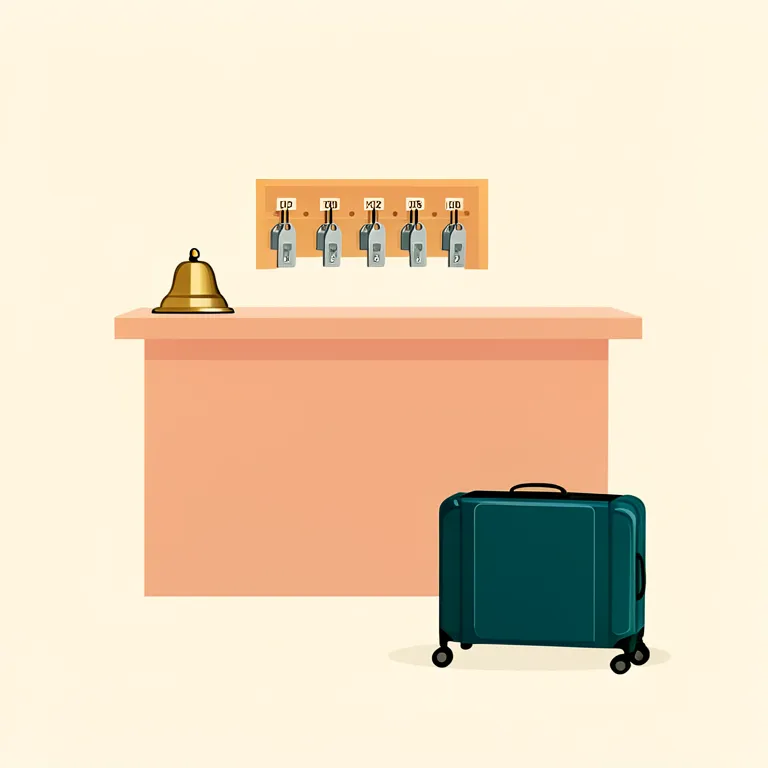
hotel
hotel
Danas nećemo rezervisati hotel.Today we will not book the hotel.
| case | singular | plural |
|---|---|---|
| nom | hotel | hoteli |
| gen | hotela | hotela |
| dat | hotelu | hotelima |
| acc | hotel | hotele |
| voc | hotele | hoteli |
| ins | hotelom | hotelima |
| loc | hotelu | hotelima |
The old relatives
Serbian and English are distant cousins, and a layer of the most basic vocabulary still shows it. The resemblance is not always obvious, but once pointed out it sticks.
- brat is brother, sestra is sister, sin is son, mati is mother in older usage.
- nos is nose, oko is eye (think ocular), srce is heart (think cardiac).
- dva, tri are two and three; sedam is seven; deset is ten (think decimal).
- voda is water, mleko is milk, sneg is snow, sunce is sun, noć is night.
- nov is new, stati is to stand, sedeti is to sit, jesti is to eat.
- mesec is month and moon at once, as in moon and month.
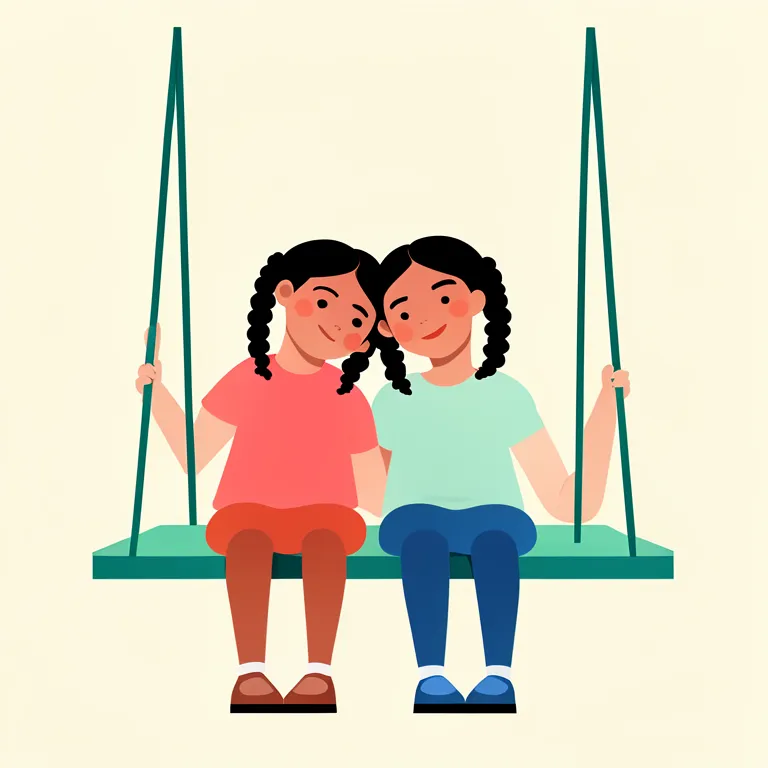
sestra
sister
Moje sestre plešu.My sisters are dancing.
| case | singular | plural |
|---|---|---|
| nom | sestra | sestre |
| gen | sestre | sestri / sestra |
| dat | sestri | sestrama |
| acc | sestru | sestre |
| voc | sestro | sestre |
| ins | sestrom | sestrama |
| loc | sestri | sestrama |
None of these are borrowings. They are what English and Serbian both inherited, and they cluster in exactly the vocabulary a beginner meets first: family, body, numbers, weather, basic verbs.
The German layer
Serbia spent a long time in the orbit of Vienna, and a few hundred German words came with the trades, the kitchen and the administration. An English speaker who knows a little German gets these for free; one who does not gets them anyway, because they are the everyday words for everyday things.
| Serbian | Meaning | From German |
|---|---|---|
| šalter | counter, ticket window | Schalter |
| kofer | suitcase | Koffer |
| majstor | tradesman, repair man | Meister |
| paradajz | tomato | Paradeiser (Austrian) |
| krompir | potato | Grundbirne (dialect) |
| šrafciger | screwdriver | Schraubenzieher |
| šnicla | schnitzel | Schnitzel |
| farba | paint | Farbe |
| špajz | pantry | Speise |
| cimer | flatmate | Zimmer |
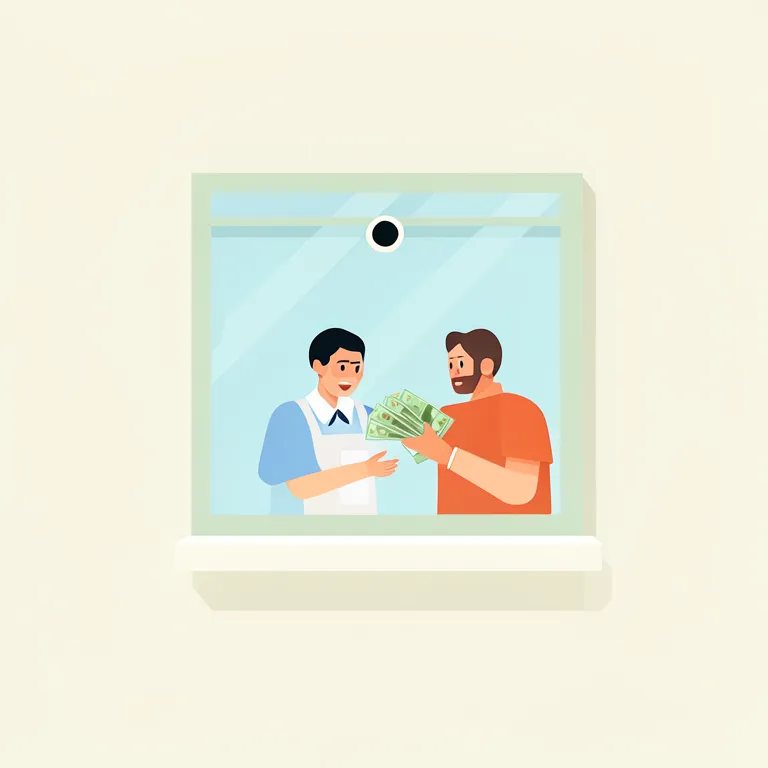
šalter
counter, ticket window
At a station, post office or bank. Takes na: na šalteru.
Kupujem kartu ovde, na šalteru.I am buying a ticket here, at the ticket counter.
| case | singular | plural |
|---|---|---|
| nom | šalter | šalteri |
| gen | šaltera | šaltera |
| dat | šalteru | šalterima |
| acc | šalter | šaltere |
| voc | šaltere | šalteri |
| ins | šalterom | šalterima |
| loc | šalteru | šalterima |
The Turkish layer
Five centuries of Ottoman rule left the words for coffee, comfort and the home: kafa (coffee), šećer (sugar), čarapa (sock), jastuk (pillow), džep (pocket), boja (colour), sat (hour, clock), pamuk (cotton), dugme (button), kašika (spoon), and the whole food vocabulary of burek, ćevapi, sarma and rakija. English speakers know a few of these from Turkish food and none from anywhere else, so this is the layer to learn rather than guess. The tell is often a dž or a ć in the middle of a short, homely word.
The ones that trick you
Some Serbian words look like English and mean something else. Most came through French or German with a meaning English later abandoned.
| Serbian | Looks like | Actually means |
|---|---|---|
| eventualno | eventually | possibly, perhaps |
| aktuelan | actual | current, topical |
| simpatičan | sympathetic | likeable, nice |
| fabrika | fabric | factory |
| gimnazija | gymnasium | academic secondary school |
| magacin | magazine | warehouse |
| recept | receipt | recipe, or a prescription |
| kontrola | control | inspection, check |
| konkurs | concourse | competition, job posting |
| šef | chef | boss |
| ambulanta | ambulance | outpatient clinic |
| pasti | pasta | to fall |
Eventualno is the one that causes real misunderstandings. A Serb who says something will eventualno happen is saying it might; an English speaker hears a promise.
How to use this
Do not learn the free words. Notice them and move on; your effort belongs to the words that are not free, which are most of the verbs and nearly all of the adjectives. The international words also come with a warning: they decline like everything else. Hotel is easy, u hotelu (in the hotel) and iz hotela (from the hotel) are the actual work, and the ending is where a familiar word stops being familiar.
Read next
- Serbian word order: why it is free, and the little words that are not
Serbian lets you put the subject, verb and object in any order, then fixes a dozen short words to one exact spot. The second-position rule, explained with examples.
- Serbian verb aspect: perfective and imperfective, explained for English speakers
Why most Serbian actions have two verbs, how to tell which one a sentence wants, how the pairs are formed, and the two traps English speakers fall into.